
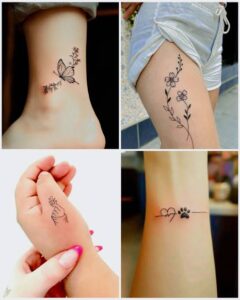

Body modification is no longer just a trend—it is a global language of identity. In 2026, tattoos and piercings have fully shed their historical associations with the counter-culture, cementing their place as mainstream forms of self-expression, storytelling, and aesthetic curation. Whether you are considering your first piece or looking to expand your collection, understanding the artistic, cultural, and practical sides of this world is the first step toward a transformative experience.
The 2026 Aesthetic: Intentionality is Everything
Gone are the days of impulse decisions. The current era of body art is defined by intentionality. People aren’t just getting “a tattoo” or “a piercing”; they are crafting a cohesive personal narrative.
The Tattoo Shift
In 2026, we are seeing a move away from hyper-meaningful backstories toward vibe-oriented, design-forward art.
Cohesive Patchwork: Instead of random scattered designs, people are opting for multiple pieces that share a unified color palette or theme. Micro-Realism: Artists are pushing boundaries with tiny, hyper-detailed portraits and florals that require extreme technical skill.
Cybersigilism: Drawing from the digital age, these abstract, flowing designs mimic the organic contours of the body, blending traditional tribal influence with futuristic aesthetics.
The Return of Classics: American Traditional remains a pillar, valued for its bold, ageless lines that hold up beautifully over decades.
The Piercing Evolution
The focus for 2026 is “The Curated Ear.” It’s about anatomy-first design.
Constellation Clusters: Rather than a single stud, specialists are creating unique clusters of hoops, bars, and gems that follow the natural flow of your cartilage.
Vertical Helix & Labret: These are the “it” placements this year, offering a sophisticated edge that frames the face or ear elegantly.
High-Shine Jewelry: We’re seeing a shift toward premium, high-shine materials—think opals, iridescent gems, and gold—that turn piercings into fine jewelry.
A Cultural Tapestry
To understand why we decorate our bodies, we must look at the thousands of years of history behind these practices. Tattoos and piercings were never just “cool”—they were, and remain, vital parts of the human experience.
Ancient Storytelling: From the Tā moko of the Māori people, which maps genealogy and social status, to ancient Egyptian ear piercings signifying wealth, these markings have historically been a “visual language of the skin.”
Ritual and Rite of Passage: For many indigenous cultures, the pain associated with marking the skin was a metaphor for rebirth and induction into the community.
Modern Reclaimed Identity: The 1960s and 90s acted as turning points where tattooing and piercing transitioned from the margins to the mainstream. Today, they are viewed as a reclamation of the body—a way to say, “I am the author of my own appearance.”
The Golden Rules of Aftercare
Art requires protection. Whether it’s a fresh ink piece or a new piercing, the healing process is the most important part of the journey. Neglect here can lead to scarring, infection, or fading.
For Tattoos:
1. Hands Off: Never touch your healing tattoo without freshly washed hands.
2. Keep it Simple: Use a mild, fragrance-free soap. Avoid over-saturating the area with lotion; your skin needs to breathe.
3. No Picking: Scabs are part of the process. If you pick them, you’re picking the ink right out of your skin, which leads to patchy results.
4. Sun Protection: Sunlight is the enemy of fresh (and old) ink. Once healed, always wear sunscreen to keep those colors vibrant.
For Piercings:
1. Leave it Alone: Do not twist, spin, or rotate your jewelry. It’s a common myth that you need to move it to heal; in reality, moving it just introduces bacteria and irritates the wound.
2. Sterile Saline: Use a sterile saline wound wash. Avoid alcohol, hydrogen peroxide, or soaps, which are too harsh for internal tissue.
3. Sleep Smart: If you have an ear piercing, use a travel pillow (putting your ear in the hole) to avoid pressure while sleeping.
4. Hands-Off Healing: Avoid submerging the piercing in pools, lakes, or hot tubs until it is fully healed.
Final Thoughts: Your Body, Your Canvas
The beauty of tattoos and piercings in 2026 is the incredible level of customization available. With better technology, more sterile practices, and a generation of artists who view the human body as a collaborative canvas, there has never been a better time to explore these art forms.
Remember: Trends are just inspiration. The best tattoo or piercing is one that makes you feel like the most authentic version of yourself. Always choose a reputable studio, check their sterilization practices, and don’t be afraid to ask for a consultation to see what fits your specific anatomy.