
The foundation of any exceptional tattoo lies not in the needle or the ink, but in the blueprint transferred onto the skin. A tattoo stencil serves as the critical guide that ensures symmetry, placement, and design integrity throughout the tattooing session. While the act of tattooing often receives the most attention, the stencil application process is arguably the most pivotal technical skill an artist must master. A poorly applied stencil can lead to distorted lines, uneven shading, and a final result that fails to meet the client’s expectations. Conversely, a crisp, well-adhered stencil provides confidence and precision, allowing the artist to focus on technique rather than correcting placement errors.
Understanding the science and methodology behind stencil application is essential for maintaining professional standards. This process involves more than simply pressing paper against skin; it requires a comprehensive understanding of skin preparation, chemical transfer agents, and hygiene protocols. Industry standards dictate that every step must be executed with precision to ensure safety and quality. By examining the detailed procedures involved in creating and applying stencils, artists can elevate their work and minimize risks associated with cross-contamination or design failure.
The Critical Role of the Stencil in Tattooing
A tattoo stencil acts as a temporary map, guiding the needle along the intended path. Without this guide, freehanding complex designs introduces a high margin for error, particularly regarding symmetry and proportion. The stencil ensures that the design remains consistent from the initial outline to the final shading. Professional environments prioritize this step because it establishes the contract between the artist’s vision and the client’s skin.
The integrity of the stencil directly impacts the healing process. If the transfer solution is too harsh or applied incorrectly, it can irritate the skin before the needle even touches it. Furthermore, a faint stencil might compel an artist to press harder or go over lines repeatedly, causing unnecessary trauma to the dermis. According to health guidelines regarding skin integrity, minimizing pre-procedure irritation is vital for optimal healing outcomes. Therefore, the application process is not just about aesthetics; it is a component of client safety and comfort.
Essential Tools and Materials for Transfer
Achieving a high-quality transfer requires specific tools designed for compatibility with human skin and tattoo ink. The primary component is the stencil paper, which generally comes in two forms: thermal paper and hectograph (carbon) paper. Thermal paper is used with a thermal machine that heats the design onto the paper, while hectograph paper involves hand-tracing the design to transfer the carbon layer. Both methods have their place in the industry, depending on the complexity of the design and the artist’s preference.
Transfer solution is the chemical agent that facilitates the movement of the ink from the paper to the skin. These solutions vary in composition, with some being alcohol-based for quick drying and others being water-based for sensitive skin. It is crucial to select products that are specifically formulated for tattooing to avoid adverse reactions. Using non-specialized adhesives or homemade mixtures can introduce bacteria or irritants to the open wound site. Reputable supply companies provide sterilized solutions that align with safety regulations, ensuring that the transfer process does not compromise the sterile field.
Other necessary materials include single-use razors for hair removal, green soap or specialized skin prep solutions for degreasing, and sterile gauze for drying. Each item plays a specific role in preparing the canvas. For instance, hair left on the skin can trap bacteria and prevent the stencil from adhering evenly. The CDC guidelines on infection control emphasize the importance of using single-use items where possible to prevent cross-contamination between clients. Ensuring all materials are within their expiration dates and stored correctly is part of maintaining a professional workspace.
Preparing the Skin: The Foundation of Adhesion
Skin preparation is the most overlooked yet critical phase of stencil application. The skin is naturally oily and covered in microscopic debris, which can act as a barrier between the transfer solution and the epidermis. Proper preparation ensures that the stencil adheres firmly and remains visible throughout the session. The process begins with hair removal. Using a fresh, single-use razor, the artist shaves the area in the direction of hair growth to minimize irritation. Shaving against the grain can cause micro-abrasions that may bleed or swell during the tattooing process, distorting the stencil.
Once the area is shaved, it must be thoroughly sanitized. This step removes oils, lotions, and dead skin cells. Professionals often use a mixture of green soap and water or a dedicated skin prep solution containing mild antiseptics. The goal is to degrease the skin without stripping it entirely of moisture, as overly dry skin can absorb the stencil ink too quickly, causing blurring. Rubbing the solution in a circular motion ensures comprehensive coverage. After cleaning, the area must be dried completely using sterile gauze. Moisture left on the skin will dilute the transfer solution, leading to a patchy application.
Safety protocols dictate that the artist must wear gloves during skin preparation to protect both themselves and the client. This aligns with OSHA bloodborne pathogens standards, which require barriers to prevent exposure to bodily fluids. Even though the skin is not yet broken, treating it as a potential hazard zone instills a habit of safety that carries through to the needlework. Proper preparation also involves checking the skin for moles, scars, or irregularities that might affect how the stencil sits. Adjusting the design to accommodate these features is part of the professional assessment before application.
Preparing the Stencil for Transfer
Before the stencil touches the skin, it must be prepared correctly to ensure maximum ink release. For thermal stencils, the paper should be allowed to cool slightly after printing. If the paper is too warm, the ink may smear when handled. For hectograph stencils, the tracing must be done with consistent pressure to ensure the carbon layer transfers evenly onto the top sheet. Once the design is on the stencil paper, it should be trimmed closely to the design edges. Excess paper can interfere with placement, especially on curved body parts like ribs or ankles.
Allowing the stencil ink to dry is a crucial step often rushed by beginners. If the ink is wet when the solution is applied, it will run, creating blurred lines. Letting the stencil sit for a minute or two ensures the ink sets into the paper fibers. Some artists use a hairdryer on a cool setting to speed up this process, but heat should be avoided as it can warp the paper. The back of the stencil, where the transfer solution will be applied, should be free of fingerprints or oils. Handling the stencil by the edges prevents contamination of the transfer surface.
Step-by-Step Stencil Application Process
The actual application of the stencil requires a steady hand and a systematic approach. The following steps outline the industry-standard procedure for achieving a clean transfer.
1. Apply the Transfer Solution
Using a sterile sponge or gauze, apply a thin, even layer of transfer solution to the back of the stencil paper. The layer should be wet enough to activate the ink but not so saturated that it drips. Over-saturation is a common cause of smudging, as excess liquid spreads the ink beyond the intended lines. Some artists prefer to apply the solution directly to the skin instead of the paper. Both methods are acceptable, but applying to the paper offers more control over the amount of fluid used.
2. Position the Stencil
Carefully place the stencil onto the prepared skin area. Once the paper touches the skin, it should not be moved. Shifting the paper even slightly will cause a double image or ghosting, which is difficult to correct without irritating the skin. For larger designs, it helps to have an assistant or use tape to hold one edge in place before smoothing the rest down. Ensuring the design is aligned with the body’s natural contours is vital for how the tattoo will look when the client moves.
3. Press and Smooth
Gently press the stencil onto the skin using a flat hand or a sterile paper towel. Start from the center and work outward to push out any air bubbles. Air pockets prevent the solution from making contact with the skin, resulting in missing spots in the design. Avoid rubbing vigorously, as this can smear the ink. The pressure should be firm but gentle, ensuring full contact between the paper and the epidermis.
4. Allow Drying Time
Leave the stencil in place for at least 30 to 60 seconds. This allows the solution to penetrate the skin’s top layer and bond with the stencil ink. Removing the paper too early results in a faint transfer. During this time, the client should remain as still as possible. If the area is prone to movement, such as a joint, the client may need to adjust their position to keep the skin taut but relaxed.
5. Peel and Inspect
Peel the paper back slowly at a low angle. Inspect the transfer immediately under good lighting. The lines should be dark purple or blue, depending on the ink used, and clearly defined. If there are gaps, do not reapply the same stencil. Instead, use a fine-tip sterile marker to manually fill in the missing sections based on the existing guide. Reapplying a stencil over an existing one rarely works and usually leads to a muddy mess.
Troubleshooting Common Stencil Issues
Even with careful preparation, issues can arise during the transfer process. Understanding the causes allows for quick corrections without compromising the session. A common problem is a faint stencil. This usually indicates that the skin was not dry enough, the transfer solution was old, or the stencil ink was not fully dry before application. To fix this, artists can lightly go over the faint lines with a sterile surgical marker once the skin is dry again. However, this should be done sparingly to avoid introducing too much foreign material to the skin.
Smudging is another frequent issue, often caused by excess solution or movement during the drying phase. If a stencil smudges, it is often better to wipe it off completely and start over rather than trying to tattoo through a blurred guide. Tattooing over a smudged line can lead to permanent errors in the design. Additionally, some skin types are more resistant to stencils due to high oil production or excessive dryness. In cases of oily skin, a second degreasing step with alcohol may be necessary. For dry skin, ensuring the client is hydrated before the appointment can improve skin elasticity and transfer quality.
Environmental factors also play a role. High humidity can prevent the stencil from drying properly, while excessive air conditioning can dry the skin too quickly. Maintaining a controlled studio environment helps mitigate these variables. If a stencil begins to fade during the tattooing process, artists can apply a thin layer of ointment over the lines to protect them, though this must be done carefully to avoid obscuring the guide. Resources on tattoo aftercare and skin management suggest that keeping the skin balanced is key to maintaining stencil visibility without causing irritation.
Comparison of Stencil Methods
Different methods of creating stencils offer varying levels of precision and convenience. Understanding the differences helps artists choose the right tool for the specific design and client needs. Thermal machines are the industry standard for complex designs, while hand-drawn methods offer flexibility for custom adjustments.
| Feature | Thermal Stencil | Hectograph (Carbon) Stencil | Hand-Drawn (Freehand) |
|---|---|---|---|
| Precision | High; captures fine details accurately | Medium; depends on tracing pressure | Variable; depends on artist skill |
| Speed | Fast; machine prints in seconds | Slow; requires manual tracing | Slow; requires drawing on skin |
| Cost | Higher; requires machine and thermal paper | Low; only requires carbon paper | Low; requires markers only |
| Best Use | Complex imagery, text, geometric shapes | Simple designs, flash art | Custom placement, body contouring |
| Durability | High; tends to last longer during tattooing | Medium; can smear if wet | Low; may need reapplication |
| Learning Curve | Low; easy to operate machine | Medium; requires steady hand | High; requires artistic skill |
Thermal stencils are preferred for intricate work because the machine replicates the digital design exactly. Hectograph paper is useful for artists who prefer a tactile connection to the design before it hits the skin. Hand-drawing directly on the skin is often used for custom pieces that need to flow with muscle structure, but it requires a high level of confidence and skill. Regardless of the method, the end goal remains the same: a clear, safe, and accurate guide for the needle.
Safety and Hygiene Protocols
Hygiene during stencil application is as critical as during the tattooing process. The skin is being prepped for an open wound, so any bacteria introduced during stenciling can lead to infection. All tools that touch the skin, including razors and gauze, must be single-use and disposed of in a sharps container or biohazard bin immediately after use. Reusing razors is a severe violation of safety standards and increases the risk of transmitting bloodborne diseases.
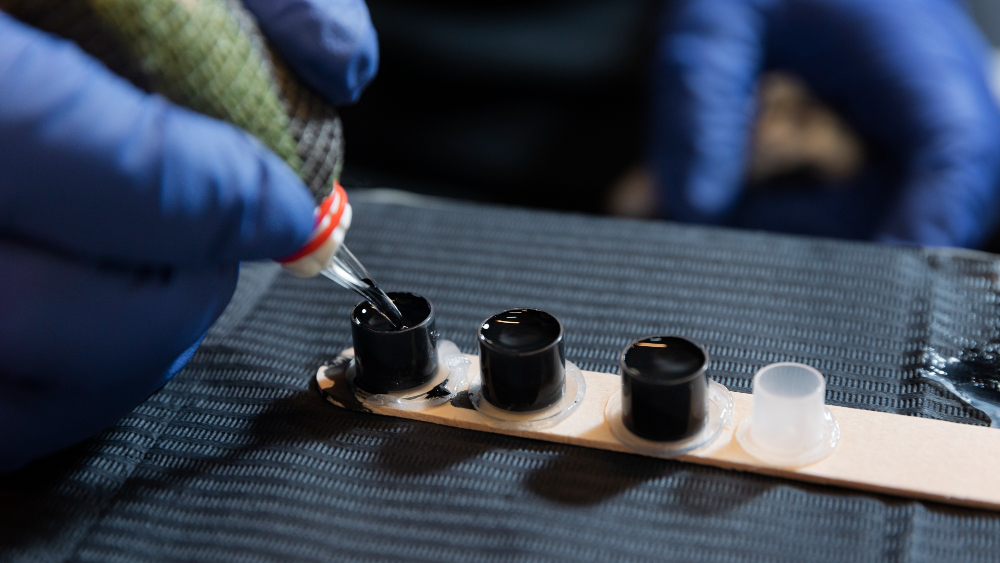
Transfer solutions should be dispensed into small caps rather than dipping directly into the bottle to prevent contamination. If a bottle tip touches the client’s skin or gloves, it can introduce bacteria back into the supply. Studios should adhere to strict health department regulations regarding product storage and handling. Gloves must be changed if they become compromised or if the artist touches a non-sterile surface after prepping the skin.
Cross-contamination can also occur through the stencil paper itself. If the paper falls on the floor or touches a dirty surface, it must be discarded and recreated. Some artists cover the stencil with a sterile barrier film after application to protect it from blood and ink spray during the tattooing process. This practice keeps the guide visible while maintaining a sterile field. Proper disposal of waste materials ensures that the studio remains safe for both the artist and subsequent clients.
Frequently Asked Questions
How long should a tattoo stencil last during a session?
A properly applied stencil should last throughout the entire outlining phase of the tattoo. If it fades quickly, it may indicate that the skin was not prepped correctly or the transfer solution was incompatible with the client’s skin type. Artists often use a light layer of ointment to preserve the lines during shading.
Can you fix a stencil that is applied in the wrong place?
Once the transfer solution dries, it is difficult to remove completely without irritating the skin. Alcohol wipes can lighten the stencil, but this may leave residue. It is generally recommended to reschedule the appointment if the placement is significantly wrong, as tattooing over a corrected stencil can lead to poor healing and visual errors.
Is it safe to use homemade stencil solutions?
Professional formulations are tested for skin safety and pH balance. Homemade solutions may contain ingredients that cause allergic reactions or interfere with ink retention. Using approved products ensures compliance with safety standards and reduces liability risks.
Why does the stencil disappear when I start wiping with soap?
Green soap can dissolve stencil ink if used too aggressively. Artists should use a light hand when wiping away excess ink during the tattooing process. Using a barrier spray or ointment over the stencil before starting can help protect the lines from being wiped away prematurely.
What is the best way to remove stencil ink after the tattoo is done?
Stencil ink usually fades within a few days as the skin heals and exfoliates. Gentle washing with mild soap and water is sufficient. Scrubbing the area should be avoided, as the skin is healing from the tattoo trauma. If stains persist, they are typically superficial and will resolve naturally.
Conclusion and Professional Reflection
The tattoo stencil application process is a blend of chemistry, technique, and hygiene that sets the stage for the entire tattooing experience. It requires a disciplined approach to skin preparation, material selection, and execution. By adhering to established protocols, artists ensure that the design is transferred accurately while maintaining the highest standards of client safety. The stencil is not merely a guide; it is a promise of precision and quality that the artist makes to the client.
Mastering this skill takes time and observation. Artists are encouraged to practice on fake skin or fruit to understand how different solutions interact with various textures before working on clients. Continuous education on new products and safety standards is essential in an evolving industry. Resources from professional tattoo associations provide updates on best practices and regulatory changes that affect stencil application and overall studio hygiene.
Ultimately, the goal is to create a seamless experience where the technical aspects fade into the background, allowing the art to take center stage. A well-applied stencil boosts the artist’s confidence and the client’s trust, leading to a smoother session and a superior final result. As the industry continues to prioritize health and professionalism, the meticulous care taken during these preliminary steps remains a hallmark of a truly skilled practitioner. Attention to detail in the beginning prevents complications in the end, ensuring that the tattoo remains a source of pride for years to come.