
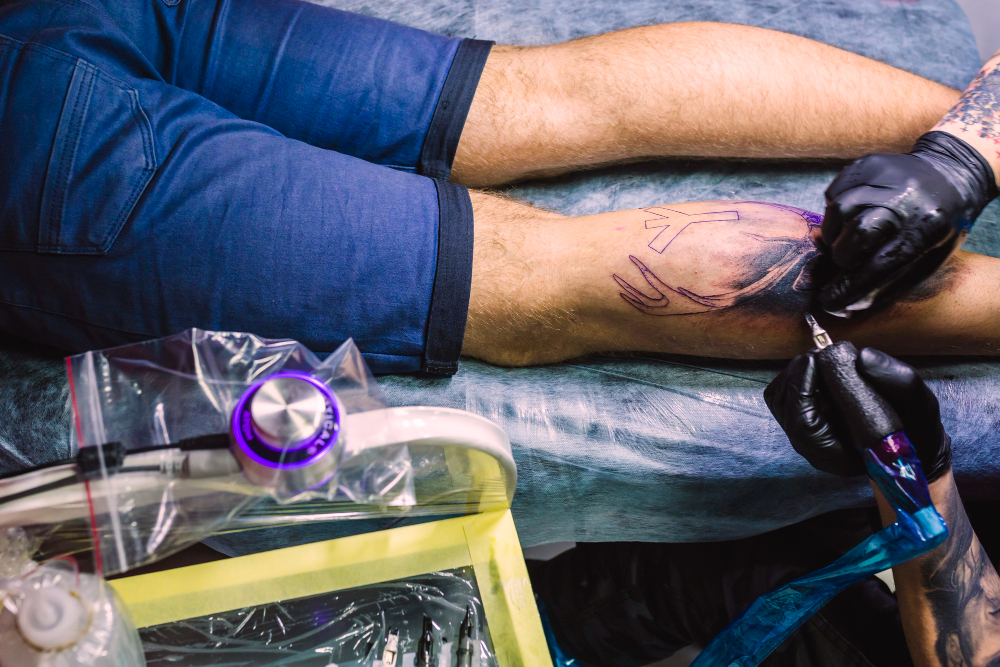
Tattoos are often described as permanent decisions, yet anyone who has observed aged ink knows that permanence does not equate to immutability. Over years and decades, the vibrant hues chosen during the initial session can shift, dull, or change color entirely. This phenomenon is largely driven by a chemical process known as oxidation, alongside environmental factors and the body’s natural immune response. Understanding the mechanics behind ink degradation is the first step toward preserving the integrity of body art. While the skin naturally changes with age, specific strategies exist to slow down the oxidation process and maintain the visual fidelity of a tattoo for a lifetime.
The Science Behind Tattoo Ink Oxidation
To effectively prevent oxidation, one must first understand what occurs beneath the epidermis. Tattoo ink is not simply sitting on the surface of the skin; it is deposited into the dermis, the stable layer below the outer shell. Once the needle penetrates the skin, ink particles are too large for the immune system to remove completely, so they are engulfed by fibroblasts and macrophages. These cells hold the pigment in place, creating the visible design. However, these pigment particles are susceptible to chemical changes over time.
Oxidation in tattoos refers to the reaction between ink pigments and oxygen, often accelerated by ultraviolet (UV) radiation from the sun. When UV rays penetrate the skin, they generate free radicals that attack the chemical bonds within the pigment molecules. This process, known as photodegradation, breaks down the complex organic compounds used in colored inks. For example, red pigments often contain azo compounds, which are particularly vulnerable to UV exposure and can break down into simpler, lighter-colored molecules. This is why red tattoos frequently appear pink or orange after many years.
Research published by the National Center for Biotechnology Information highlights how skin structure and environmental exposure interact to alter foreign substances embedded in the dermis. The body’s constant renewal of skin cells also plays a minor role, as the slow turnover of the epidermis can slightly obscure the clarity of the ink below. Furthermore, the immune system continually attempts to clear foreign particles, slowly transporting some ink away to lymph nodes over decades. This biological cleanup crew contributes to the gradual fading that accompanies oxidation. Understanding these biological and chemical processes underscores why protection is not just about aesthetics, but about managing a dynamic biological environment.
Factors Influencing Ink Stability and Longevity
Not all tattoos age at the same rate. Several variables determine how quickly oxidation sets in and how severe the color shift becomes. The primary antagonist in this scenario is sun exposure. Ultraviolet radiation is the most significant catalyst for ink breakdown. Individuals who spend considerable time outdoors without protection will notice fading and color shifts much faster than those who keep their tattoos covered. The Skin Cancer Foundation emphasizes that UV radiation damages skin structure and accelerates aging, which directly impacts the canvas holding the tattoo.
Skin type is another critical factor. Individuals with oilier skin may experience more blurring or spreading of ink over time, a process known as blowout, which can make oxidation appear more pronounced as lines lose definition. Conversely, very dry skin can cause the surface to look dull, masking the vibrancy of the ink beneath. Hydration levels within the skin affect how light reflects off the tattoo, influencing perceived brightness. Additionally, the location of the tattoo matters. Areas with high friction, such as the hands, feet, or elbows, shed skin cells more rapidly and experience more physical wear, leading to faster fading compared to areas like the back or chest.
The quality of the ink used during the application process cannot be overstated. Professional-grade inks are formulated with stability in mind, using pigments that resist chemical breakdown. Lower-quality inks may contain impurities or unstable compounds that oxidize rapidly. The U.S. Food and Drug Administration regulates tattoo inks as cosmetics and color additives, though oversight varies. Choosing an artist who adheres to high safety and quality standards ensures that the pigments implanted are less likely to contain reactive metals or unstable organic compounds that accelerate oxidation.
Selecting the Right Ink and Artist for Durability
Prevention begins before the needle ever touches the skin. The choice of artist and ink sets the foundation for how the tattoo will age. Experienced artists understand which pigments are known for longevity and which are prone to shifting. For instance, carbon-based black ink is generally the most stable pigment available. It is resistant to UV light and rarely changes color, though it may fade to a lighter gray over time. Colored inks, however, vary significantly in stability.
When consulting with a professional, it is advisable to discuss pigment composition. Some artists prefer vegan inks, which are often carbon-based and free from animal byproducts, while others may use traditional inks that contain different binding agents. The British Association of Dermatologists provides resources on skin safety and ink composition, noting that certain pigments may carry higher risks of reaction or instability. A knowledgeable artist will guide clients toward colors that suit their skin tone and lifestyle while offering the best resistance to oxidation.
Depth of insertion is another technical aspect managed by the artist. If ink is placed too shallowly, it will flake out during healing or fade quickly due to epidermal turnover. If placed too deeply, it may blur into the surrounding tissue. Proper depth ensures the ink sits securely in the dermis where it is protected from surface exfoliation but stable enough to avoid migration. This technical precision reduces the surface area of the ink exposed to oxidative stressors. Verifying an artist’s portfolio for healed work, rather than just fresh tattoos, provides insight into how their technique holds up over time.
Immediate Aftercare Protocols for Long-Term Preservation
The healing phase is the most critical window for establishing the longevity of a tattoo. During the first few weeks, the skin is repairing the trauma caused by the needle, and the ink is settling into its permanent position. Improper care during this period can lead to ink loss, scarring, or increased susceptibility to future oxidation. The primary goal is to support the skin’s barrier function without suffocating the wound.
Cleaning the tattoo gently with mild, fragrance-free soap removes plasma and bacteria without stripping natural oils. Harsh chemicals or scrubbing can remove ink particles before they settle. Moisturizing is equally important; keeping the skin hydrated prevents excessive scabbing. Thick scabs can pull ink out of the skin when they fall off, leaving patchy areas that are more prone to UV damage later. The Mayo Clinic offers general guidance on wound care that aligns with tattoo aftercare principles, emphasizing cleanliness and moisture balance.
Avoiding submersion in water, such as swimming pools or oceans, is crucial during healing. Chlorine and salt can irritate the open wound and leach pigment from the skin. Furthermore, direct sun exposure must be avoided completely until the skin is fully healed. New skin is highly sensitive to UV radiation, and burning a healing tattoo can cause permanent damage to the pigment structure. Following the specific aftercare instructions provided by the artist ensures that the ink sets correctly, creating a solid foundation for long-term resistance against oxidation.
Long-Term Maintenance Strategies to Combat Oxidation
Once the tattoo is fully healed, the focus shifts to lifelong maintenance. The most effective tool against oxidation is sun protection. Applying a broad-spectrum sunscreen with a high SPF to the tattooed area whenever it is exposed to sunlight is non-negotiable for preservation. UV rays are cumulative; damage builds up over years of exposure. Consistent use of sunscreen blocks the radiation that triggers photodegradation in pigment molecules. The American Academy of Dermatology recommends daily sun protection to prevent skin aging and damage, which directly correlates to tattoo preservation.
Moisturization remains important years after the tattoo is done. Healthy skin reflects light better, making the tattoo appear more vibrant. Dry, ashy skin can make even fresh ink look dull. Using a high-quality, fragrance-free lotion keeps the epidermis supple and transparent, allowing the true color of the dermal ink to shine through. Hydrated skin also maintains a stronger barrier against environmental pollutants that could contribute to oxidative stress.
Lifestyle choices also impact ink stability. Smoking, for example, constricts blood vessels and reduces oxygen flow to the skin, impairing skin health and accelerating aging. Poor nutrition can affect skin elasticity and repair mechanisms. Maintaining a stable weight is also beneficial; significant stretching or shrinking of the skin can distort the design and crack the ink layers, making them more vulnerable to external factors. By treating the skin as a vital organ that requires care, the longevity of the art embedded within it is significantly enhanced.
Comparing Ink Colors and Oxidation Resistance
Different colors react differently to environmental stressors and time. Understanding these differences helps in designing tattoos that age gracefully. Black and gray work tends to hold up the best because carbon is chemically inert and does not react easily with oxygen or UV light. Colors, however, are composed of various organic and inorganic compounds that have varying levels of stability.
The table below outlines the general longevity and oxidation tendencies of common tattoo colors. This comparison is based on observed patterns in the industry and chemical properties of common pigments.
| Ink Color | Oxidation Resistance | Common Color Shift Over Time | Maintenance Requirement |
|---|---|---|---|
| Black | Very High | Fades to Light Gray | Low (Sunscreen still needed) |
| Dark Blue | High | Fades to Lighter Blue | Moderate |
| Red | Low | Shifts to Orange or Pink | High (Prone to UV damage) |
| Yellow | Low | Fades Significantly or Disappears | Very High |
| Green | Moderate | Shifts to Blue-Green | Moderate |
| Purple | Moderate | Shifts to Blue | Moderate |
| White | Very Low | Turns Yellow or Cream | Very High (Often used for highlights only) |
This data illustrates why many traditional tattoo styles rely heavily on black outlines. The black ink provides a structural framework that remains visible even if the colored fillers fade. When designing a piece intended to last decades, incorporating strong black shading can help maintain the definition of the artwork as colors soften. For those committed to vibrant color work, understanding that touch-ups may be necessary every few years is part of the ownership process.
Debunking Common Myths About Tattoo Fading
Misinformation regarding tattoo care can lead to practices that actually accelerate oxidation. One common myth is that tanning beds are safer for tattoos than natural sunlight. In reality, tanning beds emit concentrated UV radiation that can be even more damaging than the sun, rapidly breaking down ink pigments. Another misconception is that covering a tattoo with clothing is unnecessary if sunscreen is applied. While sunscreen is effective, physical barriers like clothing provide complete protection without the need for chemical reapplication, offering superior defense against oxidation.
Some believe that certain oils or home remedies can restore faded ink. While moisturizing oils improve the appearance of the skin surface, they cannot reverse chemical changes in the dermal pigment. Once ink molecules have broken down due to oxidation, topical applications cannot rebuild them. Only a professional touch-up can restore the lost pigment. Additionally, there is a belief that laser removal is the only way to fix a bad tattoo. While removal is an option, correction and cover-ups are often viable solutions that do not require breaking down the ink further. Reliable information from sources like Healthline can help distinguish between skincare facts and folklore.
Another prevalent myth involves the use of exfoliants on tattoos. Some suggest that exfoliating keeps the skin fresh and the tattoo bright. However, aggressive exfoliation removes layers of the epidermis, which can thin the skin over time and make the tattoo more susceptible to UV penetration. Gentle cleansing is sufficient; abrasive treatments should be avoided on heavily inked areas. Understanding the limits of topical care prevents individuals from inadvertently damaging their body art while trying to preserve it.
The Role of Touch-Ups in Managing Oxidation
Despite the best preventive measures, some degree of fading is natural over decades. Touch-ups are a standard part of tattoo ownership, not a sign of failure. Planning for maintenance ensures the design remains crisp. Many artists offer discounted touch-up rates within the first year to correct any healing issues, but long-term touch-ups are usually charged at standard rates. Scheduling a refresh every five to ten years can keep colors vibrant without needing a complete redo.
When considering a touch-up, it is essential to wait until the skin is fully rested and healthy. Working over scarred or irritated skin can lead to further damage. A skilled artist will assess the existing ink and determine whether to pack new color over the old or adjust the design to accommodate the fading. Sometimes, adding black shading around faded colors can restore contrast and make the remaining pigment pop again. This strategic approach manages oxidation by working with the aging process rather than fighting it unsuccessfully.
Frequently Asked Questions About Tattoo Ink Oxidation
Does white ink always turn yellow?
White ink is notorious for shifting color over time. Because it is often used to highlight or mix with other colors, it is susceptible to oxidation and can take on a yellowish or cream hue as the skin ages and tans. It is generally recommended for specific stylistic choices rather than large solid areas.
How often should I apply sunscreen to my tattoo?
Sunscreen should be applied every time the tattoo is exposed to direct sunlight. If outdoors for extended periods, reapplication every two hours is necessary to maintain protection. Even on cloudy days, UV rays penetrate clouds and can contribute to ink degradation.
Can diet affect how my tattoo ages?
A diet rich in antioxidants supports overall skin health. Vitamins C and E help combat free radicals in the body, which may indirectly support the skin’s ability to resist oxidative stress. Hydration is also key; drinking enough water keeps skin plump and translucent.
Is laser treatment safe for old tattoos?
Laser treatments for skin rejuvenation should be approached with caution on tattooed areas. Certain lasers target pigment and can accidentally break down tattoo ink, causing fading or discoloration. Always inform dermatologists about tattoos before undergoing laser skin procedures. The Journal of Clinical Aesthetic Dermatology discusses interactions between laser therapies and skin pigments.
Do vegan inks last longer than traditional inks?
Longevity depends more on the pigment composition than whether the ink is vegan. However, vegan inks often avoid certain heavy metals found in some traditional pigments, which can reduce the risk of allergic reactions that might compromise skin integrity over time.
What is the best age to get a tattoo if I want it to last?
Skin elasticity is generally better in younger adults, which helps the tattoo heal smoothly. However, tattoos obtained later in life can last just as long if cared for properly. The key factor is skin care consistency rather than the age at which the tattoo is acquired.
Conclusion and Final Reflections on Tattoo Preservation
Preserving a tattoo against the inevitable forces of oxidation requires a combination of informed decision-making and consistent care. The journey begins with selecting a skilled artist who prioritizes high-quality pigments and proper technique. It continues through diligent aftercare during the healing phase and evolves into a lifelong habit of sun protection and skin moisturization. While no tattoo remains perfectly unchanged forever, the rate of degradation is significantly controllable.
The chemistry of ink and the biology of skin create a dynamic relationship that shifts over time. By respecting this relationship and protecting the skin from UV radiation, individuals can ensure their body art remains vibrant and clear for decades. The investment made in the tattoo chair is not just financial but emotional, representing memories, identities, and artistic expression. Protecting that investment through science-backed care methods honors the art and the skin that carries it.
Ultimately, the goal is not to stop time but to manage its effects. Regular assessments of the tattoo’s condition, combined with timely touch-ups, allow the artwork to evolve gracefully rather than deteriorate unnoticed. With the right knowledge and habits, the story told through ink can remain legible and striking throughout a lifetime. For further reading on skin health and maintenance, consulting resources from the World Health Organization regarding sun safety can provide additional global perspectives on UV protection. Taking ownership of tattoo aftercare transforms the wearer from a passive canvas into an active guardian of their own art.