
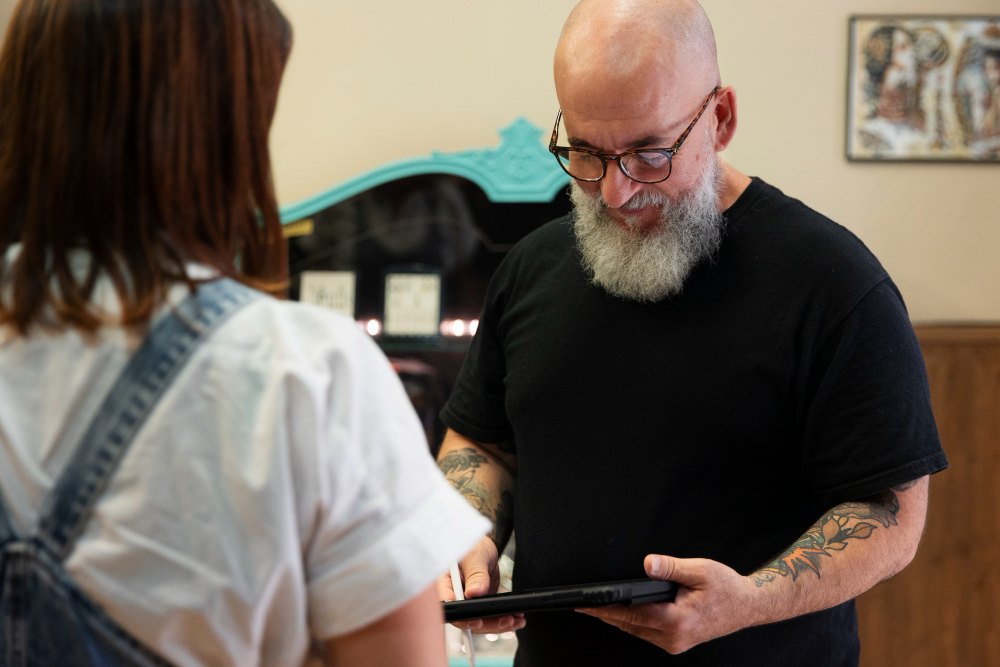
Tattoos represent one of the most personal and permanent forms of self-expression, with millions of people worldwide choosing to mark their skin in meaningful ways each year. Yet, the decision to get inked goes far beyond selecting a design—it requires careful preparation to ensure the result aligns with expectations for quality, safety, and longevity. A well-conducted tattoo consultation serves as the foundation for this process, allowing individuals to gather essential information and build confidence in their choice of artist and studio.
This guide explores the critical questions to ask during a tattoo consultation, drawing from established industry practices and health recommendations. By focusing on these inquiries, anyone considering a tattoo can navigate the experience with clarity and reduce the likelihood of dissatisfaction or complications. The right questions reveal an artist’s professionalism, the studio’s standards, and how well the proposed tattoo will suit individual needs.
Why a Thorough Consultation Makes All the Difference
The consultation phase stands as a pivotal step that separates successful tattoos from those that lead to regret. During this meeting, potential clients gain insight into the artist’s approach, the studio environment, and the practical realities of the procedure. Reputable studios treat consultations as collaborative discussions rather than sales pitches, encouraging open dialogue to refine ideas and address concerns.
Without this preparation, mismatches in style, unrealistic timelines, or overlooked health factors can arise. For instance, designs that look striking on paper may not translate well to certain skin tones or body placements over time. Consultations help align visions and set realistic expectations, fostering outcomes that age gracefully and maintain their intended impact.
Health authorities emphasize the value of informed preparation. Resources like the FDA’s tattoo safety information highlight how proper vetting minimizes risks associated with inks and procedures.
Preparing for Your Tattoo Consultation
Effective preparation begins well before stepping into the studio. Researching artists through their portfolios and reviews helps identify those whose work resonates with the desired aesthetic. Reviewing a studio’s website or social media often reveals details about their process, client testimonials, and policies.
Bring reference images, notes on preferred styles, and questions in advance. Consider factors like placement, size, and how the tattoo might interact with existing body art or future plans. This groundwork transforms the consultation from a vague conversation into a focused exchange, maximizing the value of the time spent.
Understanding local regulations also plays a role. Many regions require studios to meet specific licensing standards, which can be verified during the visit to confirm compliance with health codes.
Questions to Ask About the Artist’s Expertise and Style
The artist’s background forms the core of a quality tattoo. Inquiries here establish whether their skills match the project at hand.
- How many years have you been tattooing professionally, and what training or apprenticeship did you complete?
- What styles do you specialize in, and do you have experience with the technique needed for this design?
- Can you share examples of healed tattoos similar to what I have in mind, including work from different skin types?
These questions uncover depth of experience beyond surface-level portfolios. Artists with strong apprenticeships often demonstrate refined techniques that contribute to smoother lines and better color retention. Specialization matters because techniques like fine-line work or realism demand specific expertise that generalists may not possess consistently.
Observed patterns in the industry show that artists who openly discuss their process tend to produce more consistent results. A strong response includes willingness to explain adaptations for body contours or healing variations, signaling a thoughtful approach.
For deeper context on professional standards, guidelines from organizations like the Alliance of Professional Tattooists outline expectations for ongoing education and ethical practices among artists.
Inquiring About Studio Hygiene and Safety Standards
Safety cannot be overstated in tattooing, where the procedure involves breaking the skin barrier. Questions in this area protect against infections and ensure adherence to best practices.
- Is the studio licensed by local health authorities, and can you show current certifications?
- What sterilization methods do you use for equipment, and are all needles and tubes single-use?
- How do you maintain a clean workspace between clients, including surface disinfection protocols?
Cleanliness extends to the entire environment, from the waiting area to the tattoo station. Studios following rigorous standards use autoclaves for reusable tools and disposable barriers for high-touch surfaces. Responses should reference specific procedures, such as hand hygiene and personal protective equipment, which align with public health recommendations.
The New York Department of Health body art guidelines provide a clear framework for what safe operations entail, serving as a benchmark for studios nationwide.
Allergic reactions to inks represent another concern. Asking about ink brands and their composition helps identify potential issues, especially for sensitive skin. Established sources like the Mayo Clinic’s insights on tattoo precautions note that while rare, reactions can occur and warrant proactive discussion.
Discussing the Design and Customization Process
A tattoo’s success often hinges on how well the design evolves from concept to final form. These questions ensure the artist can translate ideas effectively.
- How do you approach custom designs, and what input will I have during the drawing process?
- Can we discuss adjustments for placement, size, and how the tattoo will look as it heals and ages?
- Do you offer revisions, and what is the process if changes are needed after the initial sketch?
Effective artists collaborate closely, using references to refine details while advising on elements that enhance longevity, such as line thickness or color choices. They explain why certain modifications improve the piece, like scaling for body movement or avoiding fine details in high-friction areas.
This dialogue reveals the artist’s artistic vision and technical knowledge. Patterns from client experiences indicate that studios emphasizing communication produce tattoos that better withstand time and lifestyle factors.
Exploring the Tattooing Process and Timeline
Understanding the session logistics prevents surprises and helps plan accordingly.
- How many sessions will this tattoo likely require, and what is the estimated time per session?
- What pain management options or techniques do you recommend during the process?
- How do you handle breaks, and what is the policy for extending sessions if needed?
Timelines vary based on size and complexity, with larger pieces often spanning multiple visits to allow healing. Artists who outline a clear schedule demonstrate organization and respect for client time. They also address comfort, noting factors like numbing options or positioning for optimal results.
Realistic expectations here contribute to a smoother experience, as rushed sessions can compromise quality.
Addressing Health and Medical Considerations
Personal health factors influence both the procedure and healing. Thoughtful questions ensure suitability.
- Are there any medical conditions or medications that could affect the tattooing process or healing?
- Do you require a patch test for inks, especially for those with sensitivities?
- What steps do you take to accommodate clients with specific health needs?
Studios attuned to these details screen appropriately and may consult with healthcare providers when necessary. This approach minimizes risks, such as prolonged bleeding from certain medications or complications from skin conditions.
The American Academy of Dermatology’s tattoo care guidelines underscore the importance of considering individual health profiles for optimal outcomes.
Understanding Pricing, Policies, and Aftercare
Transparency in costs and care instructions completes the picture.
- What is the full pricing structure, including deposits, touch-ups, and any additional fees?
- What are your policies for cancellations, rescheduling, and guarantees on the work?
- Can you walk me through the aftercare instructions in detail, including recommended products?
Clear pricing avoids misunderstandings, while aftercare details—covering cleaning, moisturizing, and sun protection—directly impact the tattoo’s appearance. High-quality studios provide written instructions and follow-up options.
For reliable aftercare insights, Healthline’s comprehensive tattoo aftercare guide compiles practical advice grounded in dermatological principles.
Comparing Essential Consultation Topics: Key Questions vs. Potential Oversights
To highlight the value of targeted inquiries, consider this overview of common areas.
| Category | Recommended Questions | Common Oversights | Benefits of Asking |
|---|---|---|---|
| Artist Expertise | Experience, specialization, healed examples | Assuming skill from online photos alone | Ensures style match and quality |
| Studio Safety | Licensing, sterilization, cleanliness | Focusing only on aesthetics | Reduces infection risks |
| Design Process | Customization, revisions, aging considerations | Rushing into a final design | Creates a personalized, durable result |
| Process Timeline | Sessions needed, time per visit | Underestimating commitment | Allows realistic planning |
| Health Factors | Medical history, sensitivities | Overlooking personal conditions | Promotes safe healing |
| Pricing & Policies | Costs, deposits, aftercare | Ignoring long-term maintenance | Avoids financial or care surprises |
This table illustrates how proactive questions address potential gaps, leading to more satisfying experiences.
Recognizing Red Flags During the Consultation
Certain indicators suggest reconsidering a studio. Pressure to book immediately, reluctance to answer questions, or an unclean environment warrant caution. Artists who dismiss concerns about healing or provide vague responses may not prioritize client well-being.
Studios that encourage multiple consultations or offer transparent tours demonstrate confidence in their standards. Trusting these cues helps identify environments committed to excellence.
Frequently Asked Questions About Tattoo Consultations
How long should a tattoo consultation typically last?
Most consultations run 30 to 60 minutes, providing ample time for discussion without feeling rushed. Complex designs may require longer sessions or follow-ups.
Is it normal to consult with multiple artists before deciding?
Absolutely. Comparing approaches helps find the best fit, as styles and personalities vary widely across the industry.
What if I change my mind about the design after the consultation?
Reputable artists accommodate reasonable adjustments during the drawing phase, though major changes closer to the appointment may involve additional fees or rescheduling.
Do all studios require a deposit?
Many do, to secure the appointment and cover initial design time. Deposits are typically non-refundable but apply toward the final cost.
How can I verify a studio’s hygiene standards?
Ask to see licenses, observe the setup during the visit, and check for visible sterilization equipment. Online reviews and health department records offer additional verification.
What role does skin type play in consultations?
Artists assess skin tone, texture, and elasticity to recommend suitable techniques, as these factors influence how ink settles and fades over time.
Should I bring friends to the consultation?
Private discussions allow for candid exchanges. Bringing support is fine for the actual session, but one-on-one time during planning often yields better results.
What happens if a tattoo needs touch-ups later?
Most artists include a complimentary touch-up within a set period, provided aftercare was followed. Policies vary, so clarifying upfront prevents surprises.
Are virtual consultations effective?
They work well for initial idea sharing and portfolio reviews, though in-person visits remain ideal for assessing the studio and building rapport.
How soon after a consultation can I book the appointment?
Timelines depend on the artist’s schedule. Popular studios may book months ahead, so planning allows for thoughtful decisions.
Final Thoughts on Making Informed Tattoo Decisions
Approaching a tattoo consultation with prepared questions transforms what could be an overwhelming process into an empowering one. These inquiries cover expertise, safety, design, process, health, and practical details, equipping individuals to select artists and studios that deliver exceptional results.
Tattoos endure as lifelong companions, evolving with the body and reflecting personal journeys. Investing time in consultations ensures they enhance rather than complicate life. By prioritizing communication and due diligence, the outcome becomes a source of pride for years to come.
Next steps involve scheduling consultations with a shortlist of artists whose work aligns with the vision. Review notes afterward, weigh the responses, and proceed when everything feels right. The effort pays dividends in the form of beautiful, well-executed ink that stands the test of time.
With the right preparation, the path to a meaningful tattoo unfolds smoothly, honoring both the art and the individual wearing it.