
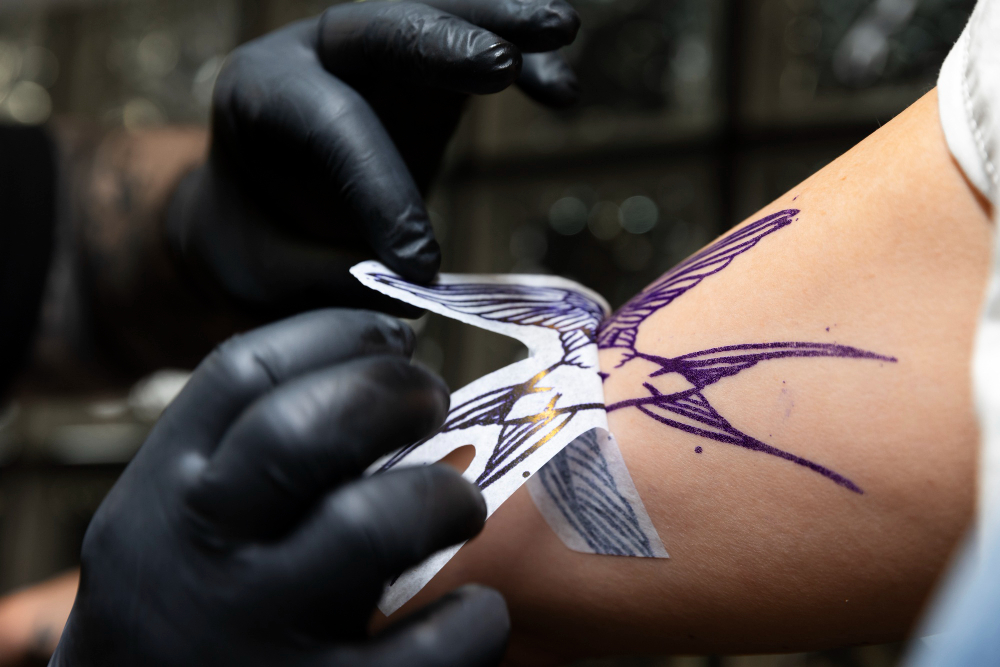
Tattoos represent one of the most enduring forms of personal expression, with designs ranging from intricate artwork to meaningful symbols etched permanently into the skin. The procedure, however, involves repeatedly puncturing the dermis with needles to deposit ink, which temporarily compromises the skin’s protective barrier. While the vast majority of tattoos heal without issue when proper techniques and care are followed, infections remain a notable risk that can arise from various sources. Understanding the early indicators of a problem allows individuals to respond promptly, preserving both health and the integrity of the tattoo itself.
This guide examines the full spectrum of tattoo infections, from subtle warning signs to advanced complications, while providing practical, evidence-based strategies for treatment and prevention. Insights draw from established medical resources to ensure clear, reliable guidance for anyone navigating the post-tattoo healing period.
The Normal Tattoo Healing Process
Fresh tattoos trigger an expected inflammatory response as the skin recovers from the trauma of needle insertion. In the first 24 to 48 hours, mild redness, swelling, and warmth commonly appear around the site, accompanied by a clear, plasma-like fluid that may ooze as the body works to form a protective layer. This weeping phase typically subsides within a few days.
Over the following week, the tattoo may develop a thin scab or flaky surface as dead skin cells shed, revealing the settled ink beneath. Itching often peaks around days 5 to 10, signaling the regeneration of the outer epidermal layer. Full healing generally spans 2 to 4 weeks for the surface, though deeper dermal recovery can extend up to 6 weeks or longer for larger or more detailed pieces.
Factors such as tattoo size, location, individual skin type, and adherence to aftercare influence the timeline. Areas with thinner skin or higher movement, like the ribs or joints, may show prolonged redness or sensitivity. These responses reflect the body’s natural repair mechanisms and should gradually improve rather than intensify.
Key Signs That a Tattoo May Be Infected
Infections develop when bacteria, fungi, or other pathogens enter the open wound created during tattooing. Symptoms can emerge within days or, in some cases, weeks later, and they often progress if unaddressed. Early detection hinges on monitoring changes that deviate from typical healing patterns.
Localized Signs of Infection
- Persistent or spreading redness: Initial pinkness should fade within the first week. Redness that expands beyond the tattoo outline, becomes more intense, or develops streaky patterns (lymphangitis) signals potential bacterial spread.
- Increasing swelling and warmth: Mild puffiness is normal initially, but swelling that worsens after day 3 or feels hot to the touch indicates inflammation driven by infection.
- Unusual discharge: Clear fluid is expected at first, but thick, yellow, green, or foul-smelling pus points to bacterial activity. Crusting that reforms repeatedly or appears honey-colored may suggest impetigo.
- Pain escalation: Tenderness peaks shortly after the session and then eases. Pain that intensifies, throbs, or radiates outward warrants attention.
- Skin changes: Raised bumps (papules or pustules), nodules, blisters, or a scaly rash confined to the tattooed area—or specific ink colors—often appear in infected cases. These can stem from reactions to contaminated pigments.
Systemic Signs Indicating Broader Involvement
- Fever, chills, or night sweats
- Fatigue or general malaise
- Swollen lymph nodes near the tattoo site (e.g., in the neck, armpit, or groin depending on location)
The Cleveland Clinic notes that infections may affect only certain ink colors if the contamination originated in specific pigments, highlighting the importance of observing the entire design rather than isolated spots.
Common Causes of Tattoo Infections
Tattoo infections rarely stem from a single factor but arise from lapses in sterility or care. The skin’s natural microbiome becomes vulnerable during the procedure, allowing opportunistic pathogens to take hold.
Contaminated tattoo ink represents a leading culprit. The U.S. Food and Drug Administration does not regulate tattoo inks as strictly as medical products, meaning even sealed bottles can harbor bacteria introduced during manufacturing or dilution with non-sterile water. Studies have linked outbreaks to nontuberculous mycobacteria and other resilient organisms.
Non-sterile equipment or environments further elevate risks. Reusable needles, tubes, or surfaces that have not been properly autoclaved can transfer Staphylococcus aureus, Streptococcus species, or Pseudomonas aeruginosa. Uncleaned client skin prior to tattooing adds another entry point for resident bacteria.
Poor aftercare during healing amplifies vulnerability. Touching the fresh tattoo with unwashed hands, submerging it in baths or pools, exposing it to dirt, or failing to keep it moisturized can introduce or encourage microbial growth. Tight clothing that rubs against the area or excessive sun exposure before full healing also disrupts recovery.
Certain individuals face heightened susceptibility, including those with compromised immune systems, diabetes, or a history of skin conditions. Viral transmissions, though less common, can occur through bloodborne pathogens like hepatitis if equipment is shared improperly, as outlined in resources from the Mayo Clinic.
Differentiating Infections from Allergic Reactions or Other Issues
Not every adverse reaction signals infection. Allergic responses to ink components—particularly red pigments containing mercury or other metals—may produce itching, raised bumps, or eczema-like patches that appear weeks, months, or even years later. These lack the pus, fever, or rapid worsening typical of bacterial infections.
Tattoo blowouts, where ink spreads beneath the skin due to improper depth, create blurred lines but no systemic symptoms or discharge. Granulomas, small inflamed nodules around ink particles, remain localized without the heat or pus of infection.
When symptoms overlap, professional evaluation clarifies the cause. A dermatologist or primary care provider can perform cultures or biopsies to identify the precise issue, ensuring targeted care rather than guesswork.
Prevention Strategies: Reducing Risks Before and After
The most effective defense against infection begins with informed choices. Selecting a licensed, reputable studio with visible sterilization practices—such as single-use needles, fresh ink cups, and glove changes between clients—forms the foundation. Prospective clients should review health department inspection records and ask direct questions about ink sources and autoclave usage.
Once the tattoo is complete, meticulous aftercare becomes the primary safeguard. The WebMD emphasizes washing hands thoroughly before any contact, gently cleansing the area twice daily with fragrance-free antibacterial soap and lukewarm water, then patting dry with a clean paper towel.
A thin layer of recommended ointment (such as Aquaphor or a tattoo-specific balm) helps maintain moisture without suffocating the skin. After the initial oozing phase (usually 3–5 days), switching to a lightweight, unscented lotion prevents cracking. Avoiding tight clothing, direct sunlight, swimming, and saunas for at least two weeks protects the healing surface.
Additional precautions include sleeping on clean sheets, refraining from picking at scabs, and monitoring the site daily for changes. Individuals with underlying health conditions should consult a physician beforehand to discuss any elevated risks.
Step-by-Step Treatment for an Infected Tattoo
Addressing a suspected infection requires a balanced approach that combines self-care with professional intervention when needed.
For Mild, Early-Stage Cases
- Continue gentle cleansing but increase frequency to three times daily.
- Apply a thin layer of over-the-counter antibiotic ointment if recommended by a healthcare provider.
- Keep the area elevated when possible to reduce swelling.
- Avoid all occlusive coverings or home remedies like hydrogen peroxide, which can delay healing.
Medical Treatment Options
Most bacterial infections respond well to oral antibiotics, with courses typically lasting 7 to 14 days for standard cases and up to 6 weeks for deeper or atypical infections. The Healthline resource explains that providers may culture the site to determine the exact pathogen and select the most effective medication.
Severe infections involving abscesses may require incision and drainage in a clinical setting. Intravenous antibiotics become necessary when systemic symptoms appear or when oral medications prove insufficient. In rare instances involving tissue death (necrotizing infections), surgical debridement removes damaged areas to prevent further spread.
Throughout treatment, the tattoo should remain clean and moisturized, but no new products should be introduced without medical approval. Complete the full antibiotic regimen even if symptoms improve to avoid recurrence or resistance.
Supportive Measures
Over-the-counter pain relievers like ibuprofen can manage discomfort and reduce inflammation. Rest, hydration, and a nutrient-rich diet support the immune response. Follow-up appointments ensure the infection resolves without compromising the design.
Normal Healing vs. Tattoo Infection: A Side-by-Side Comparison
| Aspect | Normal Healing | Signs of Infection |
|---|---|---|
| Redness | Mild, fades after 3–7 days | Intense, spreads beyond tattoo, or streaky |
| Swelling | Localized, decreases daily | Worsens after day 3, feels hot |
| Pain | Peaks early, then improves | Increases over time, throbbing or radiating |
| Discharge | Clear fluid for first few days | Thick yellow/green pus, foul odor |
| Skin Texture | Flaking or light scabbing | Bumps, blisters, open sores, or nodules |
| Systemic Symptoms | None | Fever, chills, fatigue, swollen lymph nodes |
| Timeline | Improves steadily within 1–2 weeks | Worsens after the first week |
| Response to Care | Symptoms ease with proper aftercare | No improvement or deterioration despite care |
This comparison, informed by clinical patterns documented in sources like Verywell Health, helps clarify when professional evaluation is essential.
FAQ: Common Questions About Infected Tattoos
How long after getting a tattoo can an infection develop?
Symptoms typically appear within the first two weeks, though certain atypical infections may surface months later.
Can a tattoo infection resolve without treatment?
Mild cases caught very early might improve with enhanced hygiene, but most require medical intervention to prevent complications.
What should I do if I suspect an infection at night or on a weekend?
Contact an urgent care center or emergency department if fever, spreading redness, or severe pain develops. Delaying care can allow rapid progression.
Do certain tattoo colors increase infection risk?
Red and yellow inks have been associated with higher rates of reactions, but any color can become contaminated during preparation.
Will an infection ruin the tattoo’s appearance?
Early treatment usually preserves the design. Scarring or color loss becomes more likely with advanced or untreated cases.
Are home remedies like tea tree oil or honey safe?
Most unproven remedies can irritate the skin further or mask symptoms. Stick to medically approved care.
How can I tell if my artist contributed to the problem?
While individual aftercare plays a major role, patterns of similar complaints from the same studio suggest equipment or ink issues.
Should I remove an infected tattoo?
Laser removal is contraindicated during active infection due to risk of worsening spread or scarring. Wait until full resolution.
Can I get another tattoo after an infection?
Yes, once the area has completely healed and any underlying factors (such as ink sensitivity) are addressed. Choose a different studio if concerns exist about the original.
What long-term effects might an untreated infection cause?
Rare but serious outcomes include chronic skin changes, sepsis, or organ involvement. Prompt action minimizes these risks.
Conclusion: Prioritizing Health Alongside Body Art
Tattoos offer a powerful way to celebrate identity, commemorate experiences, or simply enjoy visual beauty. Yet the decision to get inked carries a responsibility to approach the process—and the healing phase—with informed caution. Infections, while uncommon in well-executed and properly cared-for tattoos, underscore the importance of vigilance during the critical weeks following the session.
By recognizing the distinction between expected healing and concerning changes, individuals can act decisively to protect their well-being. Selecting reputable professionals, committing to thorough aftercare, and seeking medical guidance at the first sign of trouble form the pillars of a positive outcome.
Ultimately, a successful tattoo extends beyond the final design to encompass the journey of its creation and recovery. Staying attuned to the body’s signals ensures that this form of self-expression remains a source of pride rather than regret. For those experiencing persistent symptoms, consulting a healthcare provider provides the clearest path forward, safeguarding both health and the artwork that tells a personal story.
Resources such as the Harvard Health publication reinforce that thoughtful preparation and ongoing awareness transform potential risks into manageable aspects of the tattoo experience. With these practices in place, the vast majority of tattoos heal beautifully, allowing the focus to remain on the meaning behind the ink.