
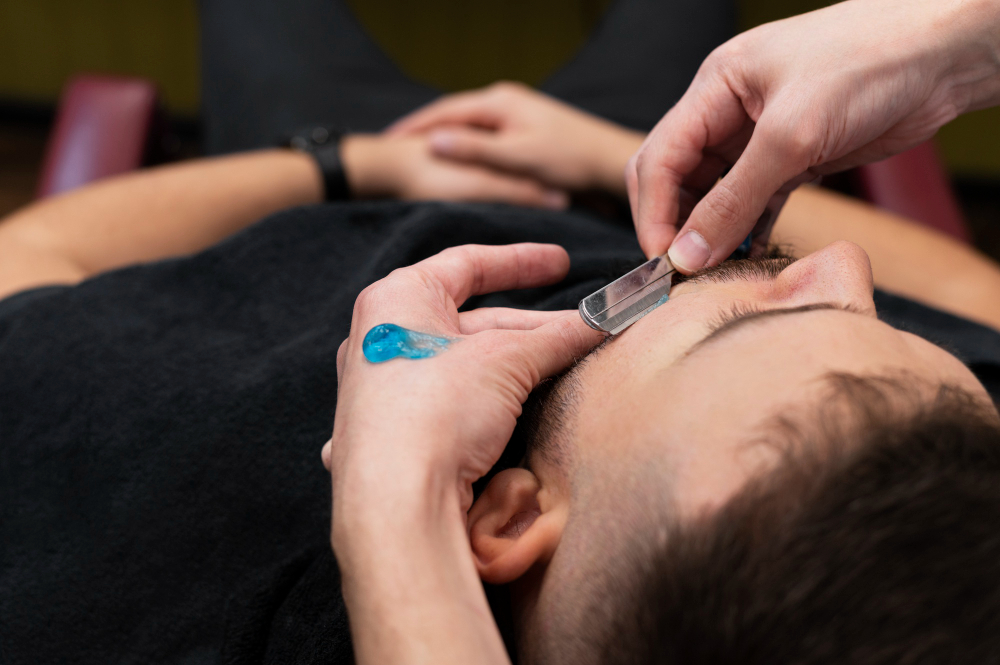
The process of getting a tattoo involves more than just selecting a design and sitting in the chair. It is a procedure that breaches the skin barrier, introducing foreign pigment into the dermis. Consequently, preparation plays a critical role in ensuring the safety, quality, and longevity of the artwork. One of the most fundamental steps in this preparation phase is hair removal. While it may seem like a minor detail, the method and timing of shaving before a tattoo appointment can significantly impact the healing process and the final aesthetic result. Understanding the correct protocols for hair removal helps minimize the risk of infection, reduces skin irritation, and provides the artist with a clean canvas to work on.
The Biological Importance of Hair Removal in Tattooing
Human skin is covered in hair follicles, which serve as openings for sweat and oil glands. When a tattoo needle penetrates the skin, it deposits ink into the dermis layer. If hair is present during this process, it can trap bacteria close to the puncture sites, creating a potential pathway for infection. Furthermore, hair can interfere with the needle’s ability to glide smoothly across the skin, potentially causing uneven ink distribution or unnecessary trauma to the epidermis. According to guidelines on infection control in tattooing, maintaining a sterile field is paramount to preventing bloodborne pathogens and bacterial infections.
Hair follicles also hold moisture and oils that can mix with ink or blood during the tattooing process, complicating the artist’s ability to see the stencil and the skin’s reaction. Removing hair ensures that the skin surface is uniform, allowing for precise line work and shading. From a dermatological perspective, shaving reduces the surface area where bacteria can colonize. The American Academy of Dermatology emphasizes that proper shaving techniques are essential to prevent micro-abrasions that could compromise skin integrity before any invasive procedure. When the skin is compromised by razor burn or nicks prior to tattooing, the healing timeline extends, and the risk of scarring increases.
Who Should Perform the Shaving: Artist or Client?
A common question among prospective clients is whether they should shave the area themselves before arriving at the studio or leave the task to the professional. While some individuals prefer to handle their own grooming to save time during the appointment, most experienced tattoo artists prefer to perform the shaving themselves. This preference is rooted in liability and sterility. When an artist shaves the area immediately before beginning the work, they can ensure that the skin is prepped according to their specific sanitary standards. They can verify that no micro-cuts or irritations exist before the needle touches the skin.
If a client shaves at home, there is a risk of using a dull blade, applying too much pressure, or using products that leave a residue on the skin. These factors can lead to razor burn or folliculitis, conditions that may force the artist to reschedule the appointment. The National Tattoo Association advocates for strict hygiene protocols, which often include the artist controlling the immediate preparation of the skin. However, if a client has dense hair growth that might hinder the stencil application during the consultation, light trimming might be acceptable. Ultimately, the decision should align with the specific policies of the tattoo studio. Clients should always communicate with their artist beforehand to understand their preferred preparation method.
Timing Matters: When to Shave Before the Appointment
Timing is a crucial variable in the shaving process. Shaving too early can allow hair stubble to grow back, creating a rough surface that interferes with the tattoo machine. Conversely, shaving too immediately before leaving for the appointment might not allow enough time for any minor irritation to settle. The ideal window for shaving, if done by the client, is typically 24 hours before the appointment. This timeframe allows the skin to recover from the mechanical exfoliation of shaving while ensuring the area remains smooth.
Shaving right before bed the night before the appointment is often recommended. This gives the skin overnight to calm down any redness or sensitivity. During this period, the skin barrier repairs itself, reducing the likelihood of stinging when the artist applies disinfectant or begins tattooing. Healthline notes that skin preparation is a key component of aftercare success, and starting with calm, unirritated skin sets the foundation for proper healing. If the artist performs the shave, timing is less of a concern for the client, as the professional will handle it immediately prior to the procedure using sterile tools.
The Mechanics of Safe Shaving Techniques
For those who choose to shave at home or wish to understand the process better, adhering to safe shaving mechanics is non-negotiable. The goal is to remove hair without damaging the stratum corneum, the outermost layer of the skin. Using a clean, sharp razor is the first step. Dull blades drag across the skin, causing micro-tears that can become entry points for bacteria. Multi-blade razors are often preferred over single-blade safety razors for this purpose, as they tend to provide a closer shave with fewer passes. However, some individuals with sensitive skin may find that fewer blades reduce irritation.
Water temperature plays a significant role in the shaving process. Warm water helps to soften the hair shaft and open the pores, making hair removal easier and less traumatic. Shaving dry or with cold water increases friction, leading to razor burn. Applying a high-quality shaving gel or cream creates a protective barrier between the blade and the skin. Products containing alcohol or strong fragrances should be avoided, as they can dry out the skin and cause chemical irritation. WebMD suggests using lubricating products that allow the razor to glide smoothly without pressing hard. Gentle, short strokes in the direction of hair growth are safer than shaving against the grain, which often leads to ingrown hairs.
Product Selection and Skin Compatibility
Not all shaving products are created equal, and selecting the right ones can prevent adverse reactions before a tattoo. Hypoallergenic shaving creams are ideal for individuals with sensitive skin. These products are formulated without common irritants such as parabens, sulfates, or synthetic dyes. Moisturizing ingredients like aloe vera, glycerin, or vitamin E can help soothe the skin during the shaving process. It is important to rinse the area thoroughly after shaving to remove any residue that could interact with tattoo ink or disinfectants.
Exfoliation is another aspect of skin preparation that complements shaving. Gentle exfoliation removes dead skin cells that can clog razors and cause uneven shaving. However, harsh scrubs should be avoided immediately before shaving, as they can leave the skin raw. A mild chemical exfoliant or a soft washcloth is sufficient to prepare the surface. Mayo Clinic highlights the importance of maintaining skin barrier function, which can be compromised by aggressive grooming habits. After shaving, applying a fragrance-free moisturizer helps restore hydration. This step is crucial because hydrated skin is more elastic and resilient, which can be beneficial during the stretching required for tattooing.
Risks and Complications of Improper Shaving
Improper shaving techniques can lead to several complications that may jeopardize a tattoo appointment. Razor burn is one of the most common issues, characterized by redness, burning sensation, and small bumps. Tattooing over razor burn is painful and can lead to poor ink retention because the skin is already inflamed. Folliculitis, an infection of the hair follicles, is another risk. This condition presents as pustules or red bumps around the hair follicles and is caused by bacteria entering the skin during shaving. If folliculitis is present, most reputable artists will refuse to tattoo the area until it has fully healed to prevent spreading the infection deeper into the dermis.
Nicks and cuts are also significant concerns. Even a small cut can bleed excessively during the tattooing process, diluting the ink and making it difficult for the artist to work. Furthermore, open wounds increase the risk of transmitting bloodborne pathogens if proper sterilization protocols are not followed. MedlinePlus provides information on minor skin wounds and emphasizes keeping the area clean to prevent infection. In severe cases, improper shaving can lead to keloid scarring, especially in individuals prone to excessive scar tissue formation. Once scar tissue forms, it is difficult to tattoo over, as the ink may not hold properly in the fibrous tissue.
Special Considerations for Different Skin Types
Skin type dictates how an individual should approach shaving before a tattoo. Individuals with oily skin may need to use a clarifying shaving gel to prevent clogged pores, while those with dry skin require extra hydration to prevent flaking. Sensitive skin types should avoid shaving too close to the skin to minimize irritation. For clients with curly or coarse hair, the risk of ingrown hairs is higher. Shaving in the direction of hair growth is particularly important for these individuals to prevent the hair from curling back into the skin.
Body location also influences the shaving method. Areas with loose skin, such as the stomach or inner arm, require the skin to be stretched taut during shaving to prevent nicks. Bony areas like the ribs or ankles need extra caution due to the lack of cushioning between the skin and bone. In these regions, using a smaller razor head can provide better control. Dermatology Times often discusses how anatomical differences affect skin procedures, noting that variable skin tension requires adjusted techniques. Clients with existing skin conditions such as eczema or psoriasis should consult with both their dermatologist and tattoo artist before shaving or getting tattooed, as shaving can trigger flare-ups.
Comparison: Shaving at Home vs. At the Studio
To clarify the differences between personal preparation and professional preparation, the following table outlines the key distinctions. This comparison helps clients understand the trade-offs regarding convenience, sterility, and skin health.
| Feature | Shaving at Home | Shaving at the Studio |
|---|---|---|
| Sterility | Dependent on client’s hygiene habits; higher risk of contamination. | Performed with sterile, single-use razors in a controlled environment. |
| Timing | Client controls timing; risk of stubble regrowth or irritation. | Done immediately before tattooing; ensures optimal skin condition. |
| Cost | No additional cost to the client. | May be included in the service fee or charged as a small prep fee. |
| Comfort | Client uses familiar tools and products. | Artist uses professional-grade products suitable for tattooing. |
| Risk of Error | Higher risk of nicks, cuts, or razor burn due to lack of expertise. | Lower risk; artists are trained to prep skin without causing trauma. |
| Convenience | Saves time during the appointment session. | Adds time to the appointment but ensures quality control. |
| Liability | Client assumes responsibility for skin condition upon arrival. | Artist assumes responsibility for prep quality and sterility. |
| Product Residue | Risk of leftover lotion or cream interfering with stencil. | Artist ensures skin is completely clean and dry before stenciling. |
Frequently Asked Questions Regarding Tattoo Shaving
Can I use an electric razor instead of a blade?
Electric razors are generally less effective at providing the completely smooth surface required for tattooing. They often leave a slight stubble that can interfere with the needle. While better than nothing, a manual blade is preferred for the closest shave. However, if using an electric razor, it must be thoroughly sanitized to prevent bacterial transfer.
What should I do if I cut myself while shaving before the appointment?
If a cut occurs, it is essential to clean the wound immediately with mild soap and water. Apply an antibiotic ointment and cover it with a sterile bandage. If the cut is significant or still open on the day of the appointment, contact the tattoo artist. They may need to reschedule to ensure the skin is fully healed and safe to tattoo.
Is it okay to shave the area multiple times before the session?
Repeated shaving can lead to significant skin irritation and compromise the skin barrier. It is best to shave once carefully rather than multiple times aggressively. Over-shaving removes too many layers of dead skin cells, leaving the live skin vulnerable to infection and pain during the tattooing process.
Do I need to shave if the area has very little hair?
Even fine hair, often called peach fuzz, can trap bacteria and interfere with the stencil adhesion. Most artists will still shave the area to ensure a completely smooth surface. This step guarantees that the ink goes exactly where it is intended without hair obstruction.
Can shaving cause ink rejection?
Shaving itself does not cause ink rejection, but shaving-induced inflammation can. If the skin is irritated from shaving, the immune response may be heightened, potentially affecting how the skin accepts the ink. Proper healing of the shave before tattooing mitigates this risk.
Best Practices for Post-Shave Care Before Tattooing
After shaving, the skin requires specific care to remain in optimal condition until the tattoo appointment. Avoiding sun exposure is critical, as UV rays can damage freshly shaved skin and cause pigmentation changes. Tanning beds should also be avoided, as they can harden the skin and make it more difficult to tattoo. Hydration is key; drinking plenty of water helps maintain skin elasticity from the inside out. Topical hydration with a light, non-comedogenic moisturizer keeps the surface supple.
Clients should avoid applying heavy oils or petroleum-based products immediately before the appointment, as these can create a barrier that prevents the stencil from adhering properly. The skin should be clean and dry upon arrival. Wearing loose clothing to the appointment prevents friction on the freshly shaved area. Verywell Health recommends keeping the area protected from dirt and sweat leading up to the session. If any unusual redness, swelling, or itching occurs after shaving, it is advisable to consult a healthcare provider before proceeding with the tattoo.
The Role of the Artist in Skin Assessment
Upon arrival, a professional tattoo artist will assess the skin before beginning any work. This assessment includes checking for any signs of irritation, infection, or improper shaving. If the artist notices razor burn or cuts, they have the ethical obligation to postpone the session. This policy protects both the client and the artist from potential complications. The artist may offer to shave the area again using sterile tools if the previous shave was insufficient. This step ensures that the canvas is perfect before any permanent marks are made.
Artists also use specific disinfectants after shaving to prepare the skin. These solutions, often containing green soap or specialized surgical scrubs, remove any remaining oils and bacteria. The combination of shaving and disinfecting creates a sterile field similar to a minor surgical procedure. Trusting the artist’s judgment on skin readiness is vital. They have the experience to recognize when skin is not viable for tattooing. Prioritizing skin health over scheduling convenience prevents long-term damage and ensures the artwork heals beautifully.
Conclusion
Preparing the skin for a tattoo is a multifaceted process where shaving plays a foundational role. It is not merely a cosmetic step but a critical hygiene protocol that influences infection control, ink application, and healing outcomes. Whether the shaving is performed by the client at home or by the artist in the studio, adherence to safe methods is essential. Using sharp, clean tools, appropriate lubricants, and gentle techniques minimizes the risk of irritation and complications. Timing the shave correctly allows the skin to recover while remaining smooth enough for the procedure.
Understanding the risks associated with improper shaving, such as folliculitis, razor burn, and infection, empowers clients to take their preparation seriously. Different skin types and body locations require tailored approaches, emphasizing the need for communication between the client and the artist. By following expert guidelines and prioritizing skin health, individuals can ensure that their tattoo experience is safe and successful. The effort put into proper preparation pays off in the quality of the healed artwork and the health of the skin. Ultimately, a well-prepped canvas allows the artist to perform at their best, resulting in a tattoo that remains vibrant and clear for a lifetime. Clients are encouraged to consult with their chosen artist regarding specific prep requirements, as professional guidance remains the most reliable resource for a safe tattooing experience.