
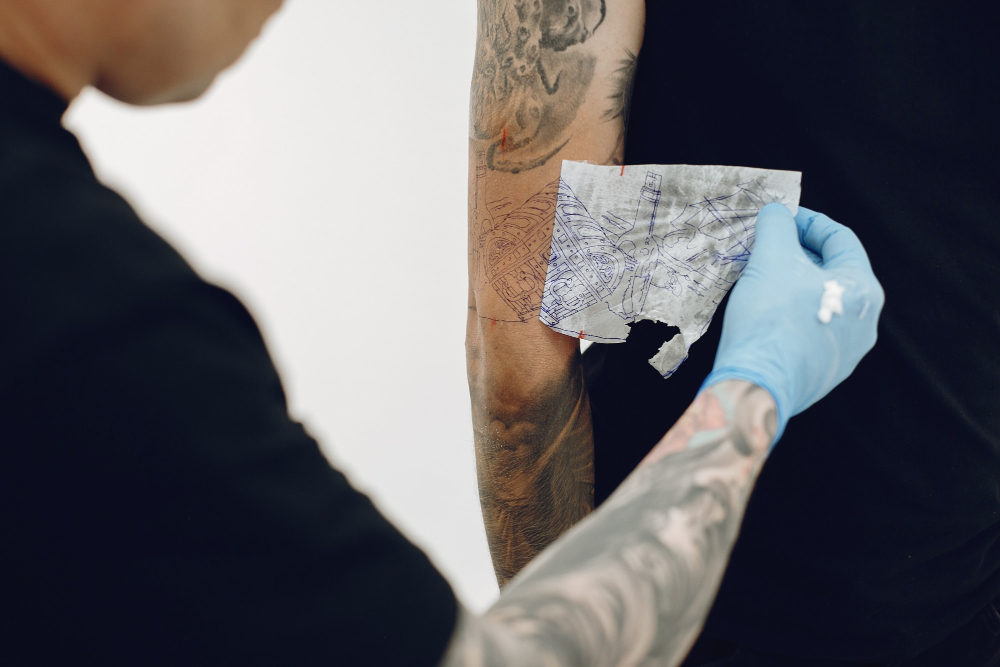
The decision to get a tattoo is often deeply personal, representing a milestone, a memory, or a form of self-expression. However, beyond the design and the artist, one of the most critical factors influencing long-term satisfaction is placement. While aesthetics play a significant role, the practical implications of where ink is placed on the body are frequently overlooked. Lifestyle factors, including career requirements, physical activity levels, pain tolerance, and skin health, should dictate placement just as much as the visual appeal of the artwork. Understanding the intersection of body art and daily living ensures that the tattoo remains a source of pride rather than a source of regret or complication.
The modern landscape of tattooing has evolved significantly, yet societal and professional norms still vary widely across different industries. According to guidance from the U.S. Food and Drug Administration, tattoo inks are considered cosmetics, but the placement of these inks can have lasting physiological and social effects. Individuals must weigh the desire for visibility against the potential need for concealment. A design placed on the forearm or neck is permanently visible, which can impact professional opportunities in conservative fields. Conversely, placements on the torso or upper thighs offer discretion. Making an informed decision requires a clear assessment of current career status, future aspirations, and the specific demands of one’s daily routine.
Professional Implications and Workplace Visibility
The visibility of a tattoo in a professional setting remains a contentious topic, although acceptance is growing. Research into workplace perception suggests that visible tattoos can still influence hiring decisions in certain corporate environments. A study published by Harvard Business Review indicates that while biases are decreasing, visible ink on the hands, neck, or face may still carry stigmas in client-facing roles or traditional corporate structures. For individuals pursuing careers in law, finance, or high-level management, placement strategy is crucial. Opting for areas that are easily covered by standard business attire, such as the upper back, ribs, or thighs, provides the flexibility to display the art in personal settings while maintaining a conventional appearance in the office.
It is not just about hiring; it is also about workplace culture and client interactions. In creative industries, tech startups, or hospitality sectors, visible tattoos are often embraced as part of the brand identity. However, even in these fields, extreme placements might distract from professional credibility. Individuals should consider the dress code policies of their current employer and the general norms of their industry. For those who anticipate career changes, choosing a placement that offers versatility is a prudent long-term investment. The goal is to ensure that the body art complements professional identity rather than complicating it.
Furthermore, the permanence of tattoos means that today’s workplace norms may not align with tomorrow’s career path. A job that currently encourages self-expression might transition into a role with stricter guidelines. Planning for this possibility suggests that high-visibility placements should be chosen with caution. If visibility is a priority, starting with smaller pieces in less controversial areas, such as the lower forearm rather than the hands, allows for a gradual assessment of how the tattoo impacts professional interactions. This measured approach aligns with career development best practices, ensuring that personal expression does not inadvertently limit professional growth.
Anatomical Considerations and Pain Tolerance
Pain tolerance varies significantly from person to person, and the anatomy of the placement area plays a massive role in the sensation experienced during the tattooing process. Areas with thin skin, little fat padding, or high concentrations of nerve endings typically result in higher pain levels. For example, the ribs, spine, sternum, and feet are widely recognized as high-discomfort zones. In contrast, areas with more muscle and fat, such as the outer thigh, upper arm, or calf, generally offer a more manageable experience. Understanding these anatomical differences is essential for setting realistic expectations before sitting in the chair.
The National Institute of Arthritis and Musculoskeletal and Skin Diseases provides detailed information on skin structure, highlighting how skin thickness varies across the body. Thinner skin areas are not only more painful but may also be more prone to blowouts, where ink spreads under the skin unevenly. For first-time recipients, starting with a less sensitive area can help build confidence and tolerance. It is also important to consider the duration of the session. Larger pieces placed in painful areas may require multiple sittings, extending the healing process and increasing the overall physical demand on the body.
Beyond immediate pain, the healing process is influenced by anatomy. Areas that move frequently, such as joints like the elbows, knees, or wrists, can be challenging to heal. Constant movement can cause scabs to crack, potentially affecting the integrity of the ink and leading to patchy results. Medical advice from sources like the Mayo Clinic emphasizes the importance of keeping healing wounds stable and clean. Therefore, placing intricate designs over high-movement joints requires careful consideration of the healing timeline and the individual’s ability to restrict movement during the recovery period. Choosing a flatter, more stable surface often yields better aesthetic results and a smoother healing journey.
Activity Levels and Physical Lifestyle
An active lifestyle introduces specific challenges regarding tattoo placement and longevity. Individuals who engage in regular sports, weightlifting, or manual labor must consider how friction and muscle growth might affect their ink. High-friction areas, such as the sides of the feet or the palms, are prone to faster fading because the skin cells turnover more rapidly in these regions. Similarly, areas subject to constant rubbing from equipment, such as the shoulders from backpack straps or the thighs from cycling gear, may experience accelerated wear. Athletes should consult with their artists about placing designs in areas that minimize contact with sports equipment to preserve the artwork’s clarity.
Muscle fluctuation is another critical factor for those involved in bodybuilding or significant weight training. Rapid muscle growth or loss can distort the shape of a tattoo. A design placed on the bicep, for example, may stretch or compress as muscle mass changes. While skin is elastic, extreme changes can alter the proportions of the artwork. For individuals whose body composition is likely to shift significantly, placing tattoos on areas with more stable tissue, such as the back or calves, can help maintain the design’s integrity over time. This practical consideration ensures that the art remains recognizable regardless of physical transformation.
Sun exposure is perhaps the most significant environmental factor affecting tattoo longevity. Ultraviolet (UV) rays break down ink particles, leading to fading and blurring over time. The Skin Cancer Foundation highlights the importance of sun protection for all skin, but especially for tattooed skin. Placements that are frequently exposed to the sun, such as the forearms, shoulders, and neck, require diligent application of high-SPF sunscreen. If an individual spends a lot of time outdoors without the habit of using sun protection, choosing a placement that is naturally covered by clothing may be a wiser choice. This reduces the maintenance burden and protects the investment in the artwork from premature aging.
Health, Safety, and Medical Considerations
Health considerations extend beyond pain and healing; they encompass potential interactions with medical procedures and skin conditions. Individuals with specific skin conditions, such as eczema, psoriasis, or a tendency toward keloid scarring, must exercise caution. Tattooing over active skin conditions can exacerbate symptoms or lead to poor healing outcomes. Consulting a dermatologist before getting inked is a recommended step for anyone with a history of skin issues. The American Academy of Dermatology advises that tattooing over moles or suspicious skin lesions should be avoided to ensure that changes in skin health remain visible for medical monitoring.
Another often-overlooked aspect is the interaction between tattoos and medical imaging. While rare, some tattoo inks contain metal traces that can react during Magnetic Resonance Imaging (MRI) scans. The Radiological Society of North America notes that while most modern inks are safe, individuals with large or older tattoos should inform their radiologist before undergoing an MRI. Placement near areas that might need frequent imaging, such as the spine or joints, could theoretically complicate procedures, although significant complications are uncommon. Being aware of this possibility allows individuals to make informed decisions, particularly if they have underlying health conditions requiring regular monitoring.
Infection control is paramount regardless of placement. The Centers for Disease Control and Prevention outlines strict hygiene protocols for preventing bloodborne pathogens during tattooing. However, aftercare is equally critical. Placements in areas that are difficult to clean or keep dry, such as the lower back near the waistband or the feet inside shoes, pose higher risks for bacterial growth during the healing phase. Individuals must be honest about their ability to maintain hygiene in specific areas. If a lifestyle involves frequent swimming, sweating, or exposure to dirty environments, choosing a placement that is easy to keep clean and covered during the initial healing weeks is essential for preventing infection.
Aesthetic Longevity and Aging
The aging process affects both skin and ink, and placement plays a significant role in how a tattoo ages. Skin loses elasticity over time, leading to sagging and wrinkling. Areas prone to significant stretching or sagging, such as the stomach, upper arms, or breasts, may see more distortion in tattoo designs as the individual ages. Conversely, areas with tighter skin and less fluctuation, such as the outer forearm or upper back, tend to hold ink better over decades. Considering how the body will look in 10, 20, or 30 years is a vital part of the placement decision process.
Sun exposure, as previously mentioned, is the primary enemy of tattoo vibrancy. However, friction also plays a role. Areas that are constantly washed or rubbed against clothing will fade faster. For example, tattoos on the fingers or hands often require frequent touch-ups because the skin on the palms and fingers regenerates quickly and is subject to constant use. Individuals seeking a low-maintenance tattoo should avoid these high-wear zones. The Alliance of Professional Tattooists emphasizes the importance of aftercare and realistic expectations regarding touch-ups, noting that some placements are inherently temporary in appearance without maintenance.
Design complexity should also match the placement. Intricate details require a canvas that will not distort easily. A highly detailed portrait placed on a ribcage might look stunning initially but could warp with breathing and weight fluctuations. Simpler designs with bold lines often age better in dynamic areas. Matching the scale of the design to the size of the body part is also crucial. Crowding a large design onto a small area like the wrist can lead to blurring as the ink spreads slightly over time. Proper spacing and scale ensure that the tattoo remains legible and aesthetically pleasing throughout the recipient’s life.
Comparison of Common Tattoo Placements
To assist in the decision-making process, the following table compares common tattoo placements against key lifestyle factors. This overview highlights the pros and cons associated with each area, helping individuals align their choice with their daily reality.
| Placement Area | Pain Level | Visibility | Healing Difficulty | Aging & Longevity | Best For |
|---|---|---|---|---|---|
| Outer Forearm | Low to Moderate | High | Easy | Good (with sun care) | Visible expression, low pain tolerance |
| Upper Arm/Shoulder | Low | Moderate (Coverable) | Easy | Excellent | Muscle definition, easy concealment |
| Ribs/Side | High | Low (Coverable) | Moderate (Friction) | Moderate (Breathing movement) | Large pieces, privacy |
| Back/Shoulder Blade | Low to Moderate | Low (Coverable) | Easy | Excellent | Large canvases, stability |
| Thigh | Low to Moderate | Low (Coverable) | Easy | Excellent | Large designs, minimal distortion |
| Wrist/Inner Arm | Moderate | High | Moderate (Movement) | Moderate (Fading risk) | Small symbols, reminders |
| Hands/Fingers | High | Very High | Difficult | Poor (Fast fading) | Bold statements, high maintenance |
| Feet/Ankles | High | Moderate | Difficult (Shoe friction) | Poor (Fast fading) | Aesthetic focus, shoe-friendly lifestyle |
| Neck | Moderate | Very High | Moderate | Moderate (Sun exposure) | Bold visibility, career flexibility needed |
| Chest/ Sternum | High | Low (Coverable) | Moderate (Clothing friction) | Good | Symmetrical designs, personal meaning |
Frequently Asked Questions
How long does a tattoo typically take to heal?
Surface healing usually occurs within two to three weeks, but deeper skin layers can take up to three to six months to fully regenerate. During the initial weeks, strict adherence to aftercare instructions is vital to prevent infection and ensure proper ink retention.
Can I get a tattoo if I have sensitive skin?
Individuals with sensitive skin should perform a patch test with the ink if possible and consult a dermatologist. Choosing placements with thicker skin, such as the outer arm or thigh, may reduce irritation compared to thinner areas like the wrists or neck.
Does tattoo placement affect the cost?
Yes, placement can influence cost. Areas that are difficult to access or require the client to hold uncomfortable positions for long periods may incur higher hourly rates. Additionally, placements prone to distortion may require more skilled artists, who often charge premium rates.
Will weight loss or gain ruin my tattoo?
Moderate weight fluctuations typically do not ruin a tattoo. However, significant weight loss or gain, especially rapid changes, can stretch or shrink the skin enough to distort the image. Placements on stable areas minimize this risk.
How often will I need touch-ups?
This depends on placement and sun exposure. High-friction areas like hands and feet may need touch-ups every few years. Areas protected from the sun and friction, like the back, may last decades without significant fading.
Is it safe to get a tattoo near lymph nodes?
While generally safe, some research suggests ink particles can migrate to lymph nodes. Individuals with concerns about immune system interactions should discuss placement with a medical professional, particularly regarding areas with high lymph node concentration like the armpits or groin.
Can I exercise after getting a tattoo?
It is recommended to avoid strenuous exercise for at least 48 hours to prevent sweating and friction from irritating the fresh wound. For placements on joints or areas rubbed by gear, a longer break from specific activities may be necessary.
What is the best placement for a first tattoo?
The outer forearm or upper arm is often recommended for first tattoos. These areas offer lower pain levels, easy aftercare access, and the option to conceal the tattoo if needed for professional reasons.
Final Thoughts on Strategic Placement
Choosing the right tattoo placement is a balance between artistic desire and practical reality. It requires an honest assessment of one’s lifestyle, career trajectory, and pain tolerance. While the impulse to place ink in highly visible areas is understandable, the long-term implications for professional opportunities and skin health must be weighed carefully. The body is a dynamic canvas that changes with age, activity, and health, and the placement of permanent art should accommodate these natural shifts.
Prioritizing areas that offer stability, easier healing, and flexibility in visibility often leads to higher satisfaction rates over time. Protecting the investment involves not just the initial application but also ongoing care, particularly regarding sun exposure and friction management. By consulting with reputable artists and considering medical advice regarding skin health, individuals can ensure their body art remains a positive addition to their identity. Ultimately, the best placement is one that harmonizes with the individual’s life, allowing the tattoo to be enjoyed without compromising comfort, health, or future opportunities. Thoughtful planning transforms a tattoo from a fleeting impulse into a lasting testament to personal expression.