
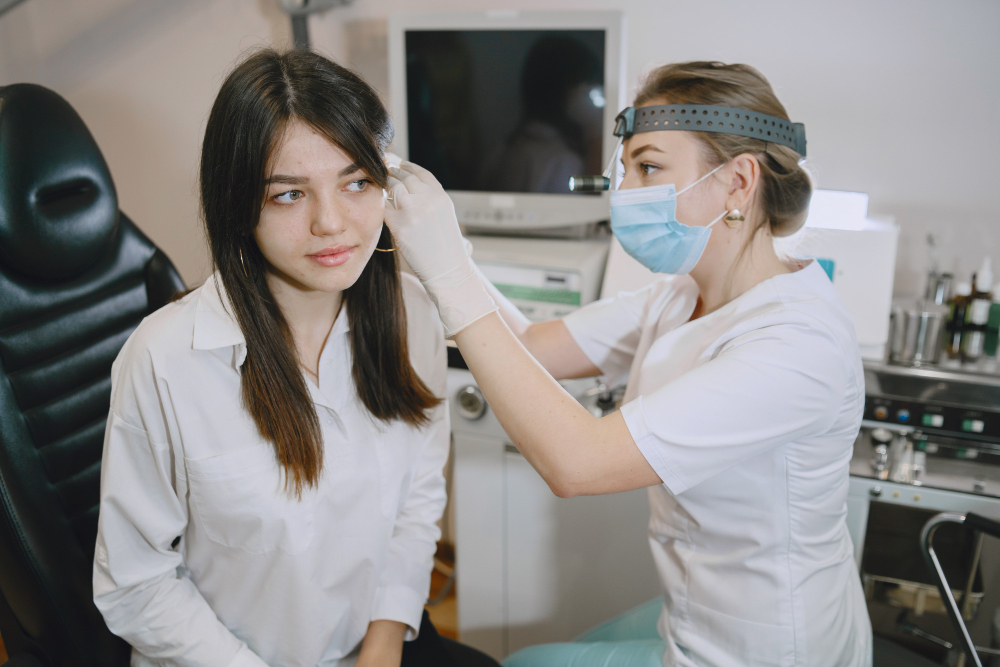
Piercings represent more than just body modification—they’re a form of self-expression that millions of people worldwide choose to embrace. However, the excitement of a new piercing often comes with a critical responsibility: proper aftercare. Many people unknowingly sabotage their healing process through common mistakes that can lead to infections, scarring, rejection, and prolonged discomfort. Understanding what to avoid is just as important as knowing what to do, and this guide breaks down the critical errors that compromise healing and how to sidestep them entirely.
The Critical First Hours: Why Initial Mistakes Matter Most
The hours immediately following a piercing represent a crucial window where decisions made can significantly impact the entire healing journey. During this initial period, the wound is at its most vulnerable, and the body is beginning its natural inflammatory response to create the fistula—the channel through which the jewelry sits.
One fundamental mistake people make is leaving the piercing exposed to air when protection is needed. Many believe that fresh air accelerates healing, but exposure to environmental contaminants, dust, and bacteria introduces unnecessary risk. According to professional piercing standards, keeping the area clean but protected helps maintain optimal healing conditions. The piercing needs defense from direct contact with contaminated surfaces during these critical early hours.
Another early misstep involves changing the jewelry too soon. The impulse to swap out the initial jewelry for something more aesthetically pleasing is powerful, but jewelry changes during active healing create micro-tears in the delicate fistula wall. Professional organizations recommend maintaining the original jewelry for the entire healing period, which varies depending on piercing type and location.
Hygiene Mistakes: More Isn’t Always Better
A common misconception in piercing aftercare is that aggressive cleaning equals better results. In reality, over-cleaning or using inappropriate cleaning products creates more harm than benefit.
Using harsh chemicals and commercial products represents a significant category of mistakes. Alcohol, hydrogen peroxide, and many antibacterial soaps are too abrasive for healing piercings and can damage healthy tissue while killing beneficial bacteria that aid healing. The American Academy of Dermatology recommends saline solution as the gold standard for piercing care because it matches the body’s natural salt concentration and cleanses without causing tissue damage. Sea salt soaks are another proven option when prepared correctly—a quarter teaspoon of non-iodized sea salt dissolved in eight ounces of warm water.
Touching the piercing with unwashed hands remains one of the most frequent mistakes despite being easily preventable. Hands come into contact with countless surfaces throughout the day and accumulate bacteria, viruses, and other pathogens. When this contaminated contact reaches a fresh wound, infection risk increases substantially. The protocol is straightforward: wash hands thoroughly with soap and water before any interaction with the piercing.
Using cotton balls or tissues during cleaning introduces another often-overlooked problem. Cotton fibers shed tiny particles that can lodge in the piercing channel, irritate tissue, and sometimes trigger foreign body reactions. Sterile gauze or specialized saline rinse bottles provide better alternatives that don’t shed fibers.
Over-cleaning through excessive soaking appears beneficial but actually disrupts the healing environment. Soaking a piercing multiple times daily can soften tissue excessively, prevent proper crust formation, and prolong the inflammatory phase. Most professionals recommend saline rinses once or twice daily, not multiple times throughout the day.
Jewelry-Related Mistakes: Why Material and Fit Matter
The jewelry itself plays a critical role in healing outcomes, and several common mistakes relate to material choices and fit.
Using low-quality metals is perhaps the most consequential error. Certain metals, particularly nickel-heavy alloys, trigger allergic reactions and irritation that complicate healing. According to dermatological research, implant-grade titanium (ASTM F136), solid gold (14K or higher), surgical steel with nickel-free composition, and glass represent the safest initial piercing materials. These metals don’t leach ions that cause contact dermatitis or inflammatory responses.
Jewelry that’s too tight creates persistent trauma. Overly snug jewelry applies constant pressure to the fistula, restricting blood flow and preventing swelling from subsiding naturally. Conversely, jewelry that’s too loose moves excessively, causing friction that irritates the channel and delays healing. Professional piercers account for expected swelling by sizing jewelry appropriately, but individual healing varies. If swelling persists beyond a few days, larger diameter jewelry may be necessary during healing.
Changing jewelry without proper sterilization introduces bacterial contamination directly into the wound. If jewelry must be changed before full healing, it must be autoclaved or otherwise sterilized by a professional. Boiling, alcohol, or home-based cleaning methods don’t achieve the sterilization necessary for open wounds.
Using dangling or excessively ornate pieces during the healing phase causes problems through movement and snagging. Every motion of the jewelry within the fistula creates micro-trauma that extends healing time. Simple, smooth pieces without moving parts are appropriate during active healing.
Lifestyle Mistakes: Daily Habits That Compromise Healing
Beyond direct piercing care, numerous daily activities and habits create barriers to proper healing.
Swimming and water exposure represents a frequently overlooked risk. Swimming pools contain chlorine and other chemicals that irritate fresh piercings, while ocean water introduces salt and bacteria-laden water. Hot tubs maintain warm temperatures that accelerate bacterial growth and increase infection risk. Health organizations note that bodies of water, regardless of chlorination levels, contain microorganisms capable of causing infections in open wounds. Full water exposure should be avoided until the piercing has moved well into the healing phase, typically several weeks depending on location.
Sleeping on the piercing creates sustained pressure that irritates tissue and potentially causes keloid formation in predisposed individuals. For ear piercings, sleeping on the opposite side protects the piercing from sustained pressure. Using a travel pillow with a cutout or placing a small pillow under the neck to elevate and support the area helps manage this during sleep.
Wearing tight clothing over the piercing applies pressure and creates friction, particularly problematic for piercings on areas like navels, nipples, or genitals. Tight clothing also traps heat and moisture, creating an environment where bacteria multiply rapidly. Loose, breathable clothing allows air circulation and reduces friction.
Physical activity and exercise during early healing phases introduces several problems simultaneously. Sweating creates moisture in the piercing area, tight sports gear applies pressure, and the movement required in physical activity creates friction. Most professionals recommend avoiding strenuous exercise for at least the first week and being cautious for several weeks beyond that.
Makeup and cosmetic products applied near facial piercings can clog the piercing channel or introduce chemicals that irritate the fistula. Even products labeled hypoallergenic contain ingredients that weren’t formulated for open wounds. Complete avoidance of makeup near healing piercings is the safest approach, or at minimum, extremely careful application without any product contact with the piercing itself.
Behavioral Mistakes: Habits That Extend Healing Time
Beyond environmental factors, certain behaviors and habits directly sabotage the healing process.
Playing with or rotating the jewelry is perhaps the most common behavioral mistake. The impulse to check on the piercing, rotate it to exercise, or simply fidget with it creates constant trauma. Each movement of the jewelry within the fistula disrupts the healing fistula walls and reintroduces the inflammatory response. This simple habit can extend healing time by weeks. The jewelry should move naturally with the body, but intentional movement or rotation should be completely avoided.
Excessive saline soaking mentioned earlier deserves expansion as a behavioral pattern. While appropriate soaking helps cleanse, compulsive soaking performed many times daily prevents proper healing. The tissue becomes overly macerated (softened), crusts don’t form properly, and the body struggles to transition from the inflammatory to proliferative healing phases.
Picking at crusty buildup represents another deeply problematic habit. Crusty material that forms around piercings is natural discharge and part of the healing process. Removing these crusts prematurely tears away healing tissue and reintroduces open wounds. The appropriate method is gentle soaking to soften the material, then allowing it to dissolve naturally—never picking or scraping.
Ignoring early warning signs allows minor issues to escalate into serious infections. Increased pain, warmth, unusual discharge that smells foul, expanding redness, or systemic symptoms like fever should prompt professional evaluation. Early intervention prevents serious complications.
Environmental and Social Mistakes: Context Matters
Certain environments and social situations create specific risks that many people fail to anticipate.
Exposure to contaminated surfaces and environments directly increases infection risk. Public pools, hot tubs, saunas, and gyms host multiple pathogens capable of infecting open wounds. Bathroom surfaces, communal showers, and public restrooms similarly harbor bacteria and viruses. During the healing phase, avoiding these environments or taking precautions like covering the piercing with protective barriers helps prevent exposure.
Socializing in smoky environments affects healing through multiple mechanisms. Smoke irritates the delicate tissue of healing piercings, and secondhand smoke exposure reduces oxygen availability needed for healing. Additionally, smoky environments tend to have higher levels of airborne bacteria and pathogens.
Intimate contact introduces risks that deserve straightforward discussion. During healing phases, intimate contact creates friction, applies pressure, and introduces pathogens from partners. Professional guidance recommends abstaining from intimate contact in the area of healing piercings, particularly for genital piercings, during the active healing phase.
Working in contaminated environments requires special precautions. Individuals working in kitchens, healthcare settings, construction, or other environments with high bacterial loads or dust exposure must take extra care to keep piercings clean and protected. This might mean additional saline rinses or wearing protective barriers depending on the work environment.
Medical and Allergy-Related Mistakes
Some mistakes stem from insufficient understanding of medical factors and individual sensitivities.
Ignoring nickel allergies or metal sensitivities creates chronic problems masquerading as normal healing reactions. Approximately 10-15% of the population has nickel allergies, and many are unaware of this sensitivity. Using nickel-containing jewelry in these individuals triggers persistent dermatitis, swelling, and discharge that extends healing indefinitely. Allergy and immunology specialists emphasize that metal sensitivities must be identified before piercing and avoided entirely. Implant-grade titanium serves as a safe alternative for sensitive individuals.
Taking medications without considering impacts on healing represents another oversight. Certain medications including blood thinners, immunosuppressants, and some antibiotics affect the healing process. Additionally, some medications increase photosensitivity, making the piercing area more reactive to sun exposure. Discussing all medications with a professional piercer and healthcare provider ensures informed decisions.
Not disclosing relevant health conditions prevents piercers from providing appropriate guidance. Conditions like diabetes, HIV, or other factors affecting immune function alter healing timelines and infection risk. Bleeding disorders require special consideration during the piercing process and aftercare.
Applying topical medications without guidance introduces products that weren’t formulated for open wounds. Even antibacterial ointments can create problems by trapping bacteria beneath an occlusive barrier. If antibiotics become necessary due to actual infection, professional evaluation should guide treatment.
Sun Exposure and Pigmentation Mistakes
Often overlooked, sun exposure to healing piercings creates several complications.
Exposing piercings to direct sunlight during healing increases irritation and can affect pigment in the surrounding skin. The area becomes hypersensitive due to the inflammatory response, and UV exposure intensifies this reaction. Additionally, UV exposure can trigger or worsen hypertrophic scarring and keloid formation in predisposed individuals. Keeping healing piercings covered from direct sunlight and applying appropriate sun protection helps prevent these complications.
Comparison Table: Common Piercing Aftercare Mistakes vs. Correct Practices
| Mistake Category | What NOT to Do | Correct Alternative | Why It Matters |
|---|---|---|---|
| Cleaning Products | Use alcohol, hydrogen peroxide, antibacterial soap | Use sterile saline solution or proper sea salt soak | Harsh chemicals damage healthy tissue; saline maintains healing |
| Frequency | Clean excessively (5+ times daily) | Clean 1-2 times daily with saline | Over-cleaning prevents crust formation and extends healing |
| Jewelry Material | Use nickel-containing metals or unknown metals | Use titanium, solid gold, or surgical steel | Low-quality metals trigger allergic reactions and irritation |
| Jewelry Handling | Rotate, play with, or constantly touch | Leave undisturbed except during gentle cleaning | Movement creates micro-trauma and extends healing |
| Timing | Change jewelry during active healing | Wait for complete healing before changes | Changing jewelry creates fistula tears |
| Water Exposure | Swim, use hot tubs, or shower freely | Avoid pools and hot tubs; careful showers | Water environments contain infection-causing pathogens |
| Sleeping | Sleep on the pierced area | Sleep on opposite side or use protective pillow | Sustained pressure causes inflammation and keloid risk |
| Clothing | Wear tight clothing over piercing | Wear loose, breathable clothing | Tight clothing creates friction, heat, and moisture |
| Hand Hygiene | Touch with unwashed hands frequently | Wash hands before any interaction | Unwashed hands introduce bacteria and infection |
| Exercise | Engage in strenuous activity immediately | Rest 1-2 weeks, then gradually increase | Exercise creates friction, sweating, and pressure issues |
| Crusts | Pick at or remove crusts aggressively | Allow crusts to soften naturally | Premature removal tears healing tissue |
| Sun | Expose to direct sunlight | Keep covered or use sun protection | UV exposure increases irritation and keloid risk |
Frequently Asked Questions About Piercing Aftercare Mistakes
Q: How soon after a piercing can I safely change the jewelry? A: The timeline depends entirely on piercing type and location. Earlobe piercings typically heal in 6-8 weeks, but cartilage piercings require 3-6 months. Facial, navel, and body piercings vary from 4 weeks to 12 months or longer. Professional piercers provide specific guidance based on the individual piercing. Attempting jewelry changes before these timeframes are completed risks complications.
Q: What should I do if my piercing becomes infected? A: Early signs of infection include increasing pain, warmth, red streaking, swelling that worsens after the first few days, or unusual discharge with odor. If infection is suspected, professional evaluation by a piercer or healthcare provider becomes necessary. Continuing with appropriate saline rinses is important while seeking professional guidance. Do not remove the jewelry unless specifically instructed, as this can trap infection.
Q: Can I sleep normally with a new piercing? A: This depends on piercing location. Ear piercings require sleeping on the opposite side for at least the first week. Body piercings may be slept on if the individual is a side sleeper on that side. Using supportive pillows, travel pillows with cutouts, or specialty piercing pillows helps manage pressure during sleep. Back sleepers generally have fewer complications since they avoid direct pressure on most piercings.
Q: What’s the difference between normal healing and a problem? A: Some swelling, redness, and discharge are normal for the first few days to weeks. However, discharge should be clear or slightly bloody, not green, yellow, or foul-smelling. Redness should decrease over time, not spread outward. Pain should decrease gradually. If symptoms worsen after the first few days, professional evaluation is needed. Fever or systemic symptoms always warrant professional attention.
Q: Is it safe to use sea salt soaks instead of saline solution? A: Yes, properly prepared sea salt soaks are as effective as saline solution. The key is using non-iodized sea salt in proper proportions. The standard formula is ¼ teaspoon of non-iodized sea salt in eight ounces of warm distilled water. Store-bought sterile saline solution eliminates the possibility of mixing errors and ensures sterility.
Q: Why does my piercing hurt more on some days than others? A: Fluctuations in pain are completely normal during healing and relate to inflammation levels, which vary based on sleep quality, stress, diet, and minor movements. Sleeping directly on the piercing or increased physical activity increases pain. Maintaining consistent aftercare minimizes these fluctuations.
Q: Can I wear makeup near my facial piercing? A: The safest approach during active healing is avoiding makeup completely. If makeup is essential, apply it carefully without any product contacting the piercing itself. Remove makeup with gentle products before saline cleaning. Some individuals successfully manage this, but avoidance remains the safest approach.
Q: What should I do about keloids or hypertrophic scarring around my piercing? A: These conditions require professional evaluation. Neither should be treated with home remedies. Options may include saline soaks, compression, or professional treatments. Keeping the area clean, avoiding trauma, and protecting from sun exposure helps prevent worsening. Healthcare providers can discuss advanced options if conservative care doesn’t resolve the issue.
Q: How can I tell if I’m allergic to my jewelry? A: Metal allergies typically cause persistent redness, itching, swelling, or discharge that doesn’t improve with standard aftercare. If allergy is suspected, changing to a different metal—preferably implant-grade titanium—can confirm whether the reaction is metal-related. Professional testing through dermatologists can identify specific metal allergies.
Q: Is it normal to have discharge during healing? A: Clear to slightly bloody or slightly yellow discharge is expected during healing. However, thick, green, yellow, or foul-smelling discharge suggests infection or excessive irritation. Discharge should decrease over time, not persist indefinitely.
Understanding Healing Phases: Why Mistakes Have Different Impacts
Piercing healing occurs through distinct phases, and mistakes during each phase create different consequences. Understanding these phases contextualizes why certain aftercare practices matter so much.
The inflammatory phase, lasting the first few days to weeks, involves the body’s initial response to the wound. Swelling, redness, and some discharge are normal. During this phase, jewelry changes introduce severe complications because the fistula is extremely fragile. Similarly, excessive trauma through touching, playing with jewelry, or physical activity extends this phase unnecessarily.
The proliferative phase, lasting weeks to months, involves the body laying down new tissue and strengthening the fistula. During this phase, continued protection and appropriate cleaning remain important, but the tissue becomes progressively more resilient. However, water exposure and contamination still pose risks.
The remodeling phase, extending for months to even years depending on piercing location, involves the body strengthening and stabilizing the fistula. During this phase, most activities become safer, but premature jewelry changes can still cause problems.
Understanding these phases explains why early mistakes have disproportionate consequences and why complete healing takes longer than initial swelling subsiding.
Special Considerations for Different Piercing Types
Different piercing locations heal at different rates and face unique complications.
Earlobe piercings benefit from being the safest location due to good blood supply and protection from direct trauma. However, sleeping on them remains a concern, and they can still develop keloids or infections.
Cartilage piercings heal much more slowly—often 3-6 months or longer—and face higher risk of keloid and hypertrophic scarring. Pressure and trauma to cartilage piercings creates particularly problematic complications.
Facial piercings, including septum, nostril, and eyebrow piercings, receive significant daily trauma from touching, makeup, and environmental exposure. They require more careful protection and attention to cleanliness.
Oral piercings involve exposure to bacteria from saliva, oral care products, and food. These piercings require additional saline rinses, careful eating practices, and avoidance of certain oral care products that irritate.
Body piercings on the navel, nipples, or genitals face unique challenges from clothing pressure, intimate contact, and movement during daily activities. These piercings often require extended healing times and particularly careful attention to pressure and friction.
Professional piercers provide location-specific guidance that addresses these unique challenges.
The Role of Professional Support in Avoiding Mistakes
Working with professional piercers represents one of the most important factors in avoiding mistakes. Professional piercers have extensive training in proper sterilization and hygiene protocols according to professional standards, individual anatomy assessment to determine appropriate jewelry size and material, and recognition of healing problems and when to refer for medical evaluation.
Many people make mistakes because they work with unprofessional piercers who provide inadequate aftercare education. Even well-intentioned individuals following standard advice can make mistakes due to incomplete understanding. Professional piercers answer questions throughout the healing process and adjust guidance based on individual responses.
Additionally, professional piercers perform follow-up checks that catch developing problems before they become serious. This ongoing support prevents many mistakes that individuals attempting to navigate healing alone might make.
Conclusion: From Mistakes to Mastery
Getting a piercing involves a temporary commitment to careful, consistent aftercare practices. While the list of potential mistakes seems extensive, the underlying principles are straightforward: keep the area clean with appropriate products, protect the jewelry and piercing from trauma and pressure, avoid water exposure and contaminated environments, and maintain consistent habits that support healing.
The difference between piercings that heal beautifully and those that develop complications often comes down to avoiding the specific mistakes outlined here. Successful healing requires understanding why certain practices matter rather than simply following rules without context. This knowledge empowers individuals to make informed decisions throughout the healing journey and troubleshoot unexpected challenges appropriately.
The excitement of a new piercing should be accompanied by a realistic understanding of the healing commitment required. Piercings represent a statement of personal choice, and supporting that choice through proper aftercare demonstrates respect for the body’s healing capacity. By understanding what not to do, being patient with the healing process, working with professional piercers, and maintaining consistent practices, individuals set themselves up for beautiful, problem-free results that they can enjoy for years to come.
The healing journey is temporary, but a well-healed piercing is permanent. Investing time and attention to avoid common mistakes during those critical weeks and months ensures that the piercing remains a source of satisfaction rather than regret or complications. Whether this is a first piercing or an addition to an existing collection, these principles apply universally and contribute to the successful outcomes that make piercing such a rewarding form of self-expression.