
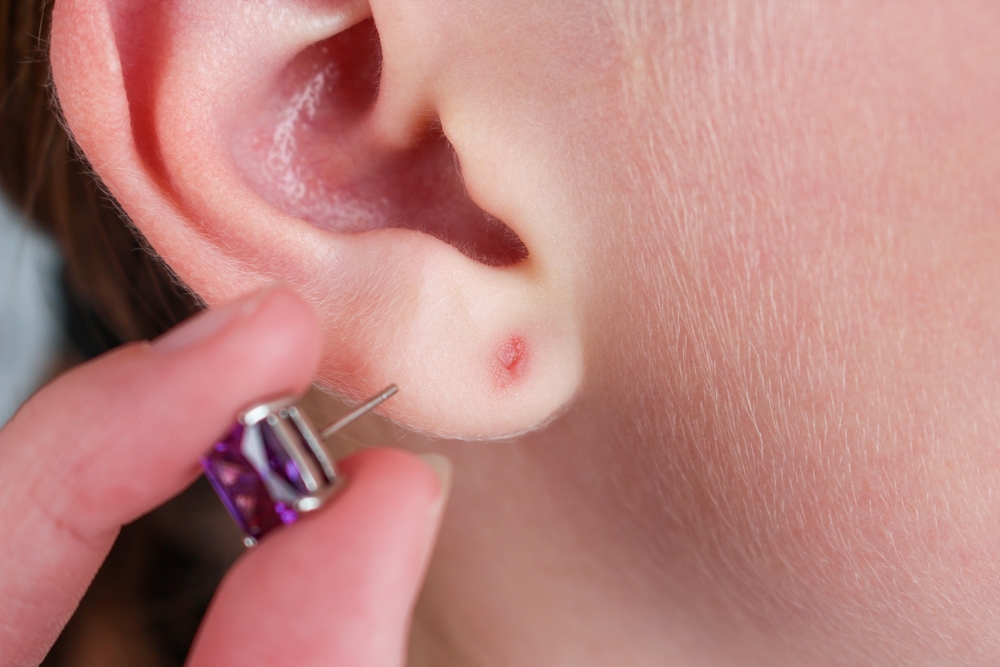
When someone receives a body piercing, swelling is one of the most common and expected responses. Yet despite its prevalence, many people don’t fully understand why it happens, how long it lasts, or what distinguishes normal swelling from something that warrants concern. This comprehensive guide walks through each stage of piercing swelling, explains the biological mechanisms at work, and provides practical guidance for managing this natural healing process.
The Biology Behind Piercing Swelling: Understanding Your Body’s Response
Before examining the specific stages of swelling, it’s important to understand what happens at the cellular level when a piercing occurs. A piercing is essentially a controlled wound—the needle creates an opening in skin and tissue, triggering an immediate inflammatory response. This isn’t a sign that something has gone wrong; rather, it’s your body’s natural defense and healing mechanism operating as designed.
According to medical sources on wound healing, when tissue is traumatized, mast cells in the area release histamine and other chemical mediators. These molecules cause blood vessels to dilate and become more permeable, allowing fluid and white blood cells to move from the bloodstream into the surrounding tissue. This process is called inflammation, and while it feels uncomfortable, it’s absolutely necessary for proper healing.
The swelling you see and feel is largely due to this fluid accumulation, combined with increased blood flow to the area. White blood cells arrive to clean up damaged cells and fight off any potential bacteria, while various growth factors begin the process of laying down new tissue. The lymphatic system also becomes engaged, sometimes resulting in visible lymph discharge or crusty buildup around the fresh piercing.
Stage One: Immediate Swelling (0-24 Hours)
The first 24 hours after a piercing represents the acute phase of the inflammatory response. During this window, swelling increases rapidly as your body’s initial response to the tissue trauma kicks into high gear. This is typically when swelling reaches its most noticeable peak, though this varies significantly depending on the piercing location, individual physiology, and aftercare practices.
Factors that influence swelling intensity during this stage include the size of the needle used, the thickness of the tissue pierced, and individual variation in inflammatory response. A study on procedural trauma responses demonstrates that larger needles create proportionally more tissue disruption, while areas with looser tissue tend to swell more dramatically than areas with tighter, more adherent tissue.
During the first 24 hours, many people notice their piercing feels hot to the touch, appears noticeably red, and may produce clear or slightly yellowish lymph. This is completely normal. The area may also feel tender to pressure, making it uncomfortable to sleep on that side or bump the piercing accidentally. Some swelling becomes visible within the first few hours, but the maximum swelling often occurs somewhere between 12 and 24 hours after the procedure.
For piercings in certain locations—oral piercings being the most notable example—this stage can be particularly pronounced. Oral tissue swells more dramatically than other body areas due to the rich blood supply and the nature of mouth tissue, which can double or even triple in size during the first 24 hours. Lip piercings frequently present the most obvious visual swelling among facial piercings.
Managing immediate swelling effectively involves several evidence-based strategies:
- Apply ice wrapped in a thin cloth for 15-20 minute intervals, with breaks between applications to prevent tissue damage from prolonged cold exposure
- Keep the piercing elevated when possible to reduce fluid accumulation through gravity
- Avoid sleeping with pressure directly on the fresh piercing
- Maintain the aftercare routine recommended by the piercer, typically saline soaking or spraying
- Avoid strenuous exercise, which increases blood flow and intensifies swelling
- Stay well-hydrated, as dehydration can paradoxically increase inflammatory responses
The temptation to remove the jewelry during this stage should be resisted entirely. Even brief removal can allow the piercing channel to begin closing, and reinsertion becomes painful and difficult. The jewelry acts as a guide for the healing channel and helps prevent the formation of scar tissue.
Stage Two: Peak Swelling and Active Inflammation (24-72 Hours)
By the second and third days after piercing, many people experience what feels like peak swelling. Counterintuitively, this is often when swelling appears most dramatic, even though the inflammatory response that drives it is actually beginning its slow decline. This stage typically represents the height of lymphatic engagement and tissue fluid accumulation.
During this 24-72 hour window, the piercing site continues to produce lymph as the body works to clean the wound and remove cellular debris. This lymph may crust around the opening and jewelry, creating a yellowish, brownish, or occasionally slightly greenish crusty buildup. This discharge is normal and not a sign of infection—it’s simply the body doing exactly what it should be doing.
However, this is also the stage where it’s crucial to distinguish between normal healing inflammation and signs of infection or other complications. Clinical guidelines on infection management emphasize that while some redness and warmth are expected, certain signs warrant professional attention. Fever, rapidly spreading redness extending well beyond the piercing site, severe throbbing pain, or pus (rather than clear or slightly yellow lymph) all suggest infection requiring medical evaluation.
The psychological aspect of peak swelling deserves mention. Many people feel anxious during this stage, wondering if their swelling is “normal” or excessive. Comparison with others’ experiences can fuel worry, but individual variation is substantial. Factors influencing swelling intensity at this stage include body weight distribution (heavier individuals sometimes experience more swelling), overall health status, sleep quality, stress levels, and even caffeine and alcohol consumption.
People with certain medical conditions, including autoimmune disorders or those taking specific medications that affect inflammation, may experience more pronounced swelling during this stage. Similarly, individuals with a history of keloid formation or hypertrophic scarring may notice swelling that seems disproportionate compared to typical healing.
Strategies for managing peak-stage swelling include:
- Continue cold therapy, though swelling at this point is primarily driven by the body’s healing processes rather than blood vessel expansion
- Maintain saline soaks or sprays as recommended, typically 2-3 times daily for non-oral piercings
- For oral piercings, saline rinses after eating and drinking help remove irritants
- Avoid touching, playing with, or rotating the jewelry, despite the strong temptation
- Limit alcohol and caffeine consumption, both of which can intensify inflammation
- Ensure adequate sleep, as rest is essential for optimal immune function
- Avoid tight clothing or pressure on the piercing site
- Consider over-the-counter anti-inflammatory medications if swelling is particularly uncomfortable, though consulting the original piercer or a healthcare provider is advisable first
One critical note: while non-steroidal anti-inflammatory medications like ibuprofen can reduce swelling, some piercers recommend caution with their use during the very early stages. The inflammatory response, while uncomfortable, is necessary for proper healing. Suppressing it too aggressively might theoretically interfere with the healing process, though research is limited on this specific question.
Stage Three: Gradual Reduction (3-7 Days)
By the end of the first week, swelling typically begins a steady decline, though this varies considerably based on piercing location and individual factors. This stage represents the transition from acute inflammation to the proliferative phase of healing, where the body shifts from purely defensive responses to active tissue repair and reorganization.
During this week, the piercing site continues producing lymph but typically in decreasing quantities. The crusty buildup may increase slightly as this lymph dries, but the overall appearance and feel of the piercing gradually normalize. The redness may persist for some people while beginning to fade for others—again, individual variation is substantial.
The jewelry may begin to feel less tender to touch, and sleeping on or near the piercing becomes possible again, though caution is still warranted to avoid accidentally bumping it. The warmth and slight heat around the piercing site that characterized the earlier stages typically diminishes during this period as blood flow returns to normal levels.
For some people, particularly those with certain piercing locations, the tissue surrounding the jewelry may still feel quite swollen by day seven. Tragus piercings, for example, often exhibit swelling that extends well into the second week. Nostril piercings typically follow a more rapid reduction curve, while oral piercings may maintain noticeable swelling for 1-2 weeks depending on the specific location within the mouth.
Management during this phase involves maintaining healing support:
- Continue with appropriate saline aftercare, though some piercers may recommend reducing frequency slightly
- Continue avoiding activities that increase blood flow to the area
- Be mindful of the healed nature of the external layers while remembering that internal healing is far from complete
- Avoid changing jewelry, as the piercing channel is still fragile and not fully epithelialized
- Continue monitoring for signs of infection, though the risk decreases as the body’s inflammatory response becomes more localized and controlled
- Gradually return to normal activities, though caution with the piercing site remains important
By the end of this stage, many people report that their piercing “feels like a piercing” for the first time since the procedure—it has become part of their body in a way that feels less alien and less tender.
Stage Four: Residual Swelling and Microbial Recolonization (1-3 Months)
After the initial acute inflammation subsides, most piercings still exhibit some degree of swelling, though it may be subtle enough that the person is barely aware of it. This stage involves what might be called “stabilized swelling”—the tissue remains slightly thickened and engorged as the body completes the epithelialization of the channel and continues rebuilding tissue with appropriate collagen deposition.
During this phase, the piercing often begins to feel “normal” in terms of daily life, but if you were to compare the pierced area to the corresponding location on the opposite side of the body, you’d likely notice the pierced side still exhibits slight enlargement. This is particularly apparent with ear piercings and facial piercings where bilateral comparison is easy.
Interestingly, research on tissue remodeling after piercing suggests that the exact timeline of swelling reduction varies significantly based on the specific tissue location. Cartilage piercings (ear cartilage, septum, etc.) tend to maintain detectable swelling longer than soft tissue piercings because cartilage has a different blood supply and remodeling process than dermal tissue.
The composition of lymph changes during this stage as well. Early-stage discharge was primarily serum fluid with protein and cellular debris. By this point, any remaining discharge becomes more serous (clear) and minimal in quantity. Many piercings have stopped producing any visible discharge by the end of this period.
It’s during this stage that some people make the mistake of assuming healing is complete and become careless with their piercing. However, the healing process has merely transitioned from acute to chronic phase. The tissue is still remodeling, still establishing its new architecture around the foreign object. Trauma, infection, or premature jewelry changes can still derail the healing process.
Management during extended healing includes:
- Continuing saline aftercare as recommended, typically until the piercer indicates it’s no longer necessary
- Avoiding jewelry changes unless the original jewelry has become problematic
- Protecting the piercing from trauma and excessive movement
- Monitoring for delayed-onset complications such as hypertrophic scarring or keloid formation
- Understanding that residual swelling is normal and often requires several months to fully resolve
- Avoiding behaviors that were recommended against during acute healing, as the piercing is still not fully mature
Stage Five: Maturation and Full Healing (3-12+ Months)
The final stage of piercing healing involves the maturation and stabilization of the tissue. By three months, many people can remove their jewelry for brief periods without the risk of closure, though the piercing channel remains more delicate than a fully mature piercing. This is the beginning of true stabilization, though full maturity is still months away.
The timeline to complete maturation varies dramatically based on piercing location. Professional body piercing organizations typically cite the following approximate timelines: earlobe piercings become stable after 6-8 weeks, but ear cartilage piercings require 3-6 months. Oral piercings stabilize within 4-6 weeks despite their dramatic early swelling. Genital and navel piercings often require 6-12 months for full maturation, while some locations may not be considered fully healed for a year or more.
Any residual swelling at this stage is often imperceptible without close comparison to the opposite side. The tissue color returns to normal, the warmth and heat are completely gone, and the piercing feels like a true part of the body rather than an imposed foreign object.
It’s important to recognize that even after swelling has fully resolved, the tissue is still undergoing slow remodeling. The scar tissue that forms around the jewelry is a specialized form of tissue that continues to reorganize over many months. This is why jewelry changes should still be done carefully during this period, as forcing jewelry through a not-yet-fully-flexible channel can cause pain and micro-trauma.
By 6-12 months, depending on location, a piercing is generally considered mature. At this point, the tissue can typically tolerate jewelry changes with less risk, though care and caution remain important. The initial swelling is completely resolved, and any residual mild enlargement is stable and unlikely to change further.
Comparison Table: Piercing Swelling Across Different Body Locations
| Piercing Location | Peak Swelling Timing | Severity Range | Typical Duration | Oral Intake Impact | Sleep Impact | Activity Restriction Needed |
|---|---|---|---|---|---|---|
| Earlobe | 24-48 hours | Mild to moderate | 3-7 days | None | Minimal | Low |
| Ear cartilage | 24-72 hours | Moderate to significant | 7-14 days | None | Moderate | Moderate |
| Nostril | 12-24 hours | Mild to moderate | 3-7 days | Possible difficulty breathing | Minimal | Low |
| Septum | 24-48 hours | Moderate to significant | 7-10 days | Possible difficulty breathing | Moderate | Moderate |
| Lip/Labret | 24-72 hours | Moderate to severe | 7-14 days | Significant difficulty eating/speaking | Moderate | Moderate |
| Tongue | 12-36 hours | Severe | 5-10 days | Significant difficulty eating/speaking | Moderate to severe | Significant |
| Oral mucosa (cheek, inside lip) | 24-48 hours | Moderate to significant | 7-14 days | Possible discomfort | Minimal | Low |
| Navel | 24-72 hours | Mild to moderate | 7-14 days | None | Moderate | Moderate |
| Eyebrow | 24-48 hours | Mild to moderate | 3-7 days | None | Minimal | Low |
Individual Variation Factors: Why Everyone’s Experience Differs
Understanding that piercing swelling follows predictable patterns doesn’t mean every person experiences the same level of swelling or timeline. Significant individual variation stems from multiple factors worth exploring in depth.
Age and Skin Elasticity: Younger individuals with higher skin elasticity often experience swelling that’s more dramatic but resolves more quickly, while older individuals may experience less dramatic swelling but longer resolution times. The aging process changes how skin and tissue respond to trauma, primarily due to changes in collagen composition and inflammatory response efficiency.
Body Weight and Composition: Body composition influences swelling partly through mechanical factors and partly through metabolic factors. Individuals with higher body weight sometimes experience more swelling, potentially due to increased fluid retention and altered inflammatory responses. However, this relationship isn’t straightforward—body weight alone is far from a perfect predictor.
Immune System Status: People with compromised immune systems, whether due to medical conditions, medications, or other factors, may experience altered swelling patterns. Some may swell more severely due to dysregulated inflammatory responses, while others may swell less but heal more slowly.
Hormonal Factors: Hormonal status influences inflammatory responses and fluid retention. Many people report noticing that swelling is more pronounced depending on where they are in their menstrual cycle. Pregnancy also significantly alters inflammatory and fluid-retention patterns, often resulting in more dramatic swelling.
Genetics and Family History: Genetic factors influence how individuals respond to inflammation, fluid retention, and tissue trauma. People with a family history of keloid or hypertrophic scar formation should expect the possibility of more pronounced or prolonged swelling and thickening.
Stress and Sleep: Both psychological stress and sleep deprivation impair immune function and increase baseline inflammation. Someone undergoing significant stress or sleep disruption may experience more severe piercing swelling than baseline.
Medication Use: Medications that affect bleeding or inflammation, including some blood thinners and steroids, can alter normal swelling patterns. It’s important for piercers to know about relevant medications before performing a piercing, and for clients to understand how their medications might affect healing.
Alcohol and Caffeine Consumption: Both substances affect blood vessel function and fluid retention. Increasing alcohol and caffeine consumption in the days following a piercing may intensify swelling, while reducing consumption may help minimize it.
Placement Precision: How precisely the piercer places the jewelry affects surrounding tissue trauma. A well-placed piercing that goes through less tissue may cause less swelling than a piercing that catches extra tissue or goes through thicker tissue sections.
Distinguishing Normal Swelling from Complications
One of the most important aspects of understanding piercing swelling is recognizing when swelling crosses from normal healing response into territory that suggests something may be wrong. Most swelling is completely normal, but certain patterns warrant concern.
Normal swelling characteristics include symmetrical swelling around the jewelry, gradual reduction over time, clear or pale yellow lymph discharge, mild warmth and redness that stays localized to the piercing site, and tenderness but not severe pain.
Concerning signs include fever, rapidly spreading redness extending well beyond the immediate piercing site, persistent or increasing pain after the first few days rather than improvement, excessive discharge that’s green, brown, or bloody, swelling that becomes increasingly severe rather than gradually reducing, visible pus pockets, or the jewelry embedding into swollen tissue.
Infection prevention and management guidance emphasizes that infections in piercings can occur even when aftercare is excellent, though proper care significantly reduces risk. Certain types of bacteria are particularly aggressive when it comes to piercing-related infection, including various Staphylococcus and Streptococcus species, as well as some environmental organisms like Mycobacterium and Pseudomonas.
If concerning signs appear, it’s important to contact the original piercer or a healthcare provider. Most piercing professionals have significant experience with complications and can often differentiate between normal healing and problematic responses. For severe situations involving fever, rapidly spreading infection signs, or systemic symptoms, professional medical care is appropriate.
Aftercare Practices and Their Impact on Swelling
The aftercare routine someone follows significantly influences both the intensity and duration of swelling. Different professional piercers may recommend somewhat different approaches, but certain principles have broad support.
Saline soaking or spraying represents the gold standard for aftercare. Saline solution’s properties help cleanse the piercing, reduce bacteria, and minimize irritation. Unlike soap or alcohol-based solutions, saline is gentle enough for daily use without disrupting the healing tissue.
The frequency of aftercare varies based on piercing location. Non-oral piercings often do well with 2-3 saline soaks or sprays daily, while oral piercings may benefit from rinsing after meals and beverages. Some piercers recommend once-daily cleaning, while others suggest more frequent care.
Importantly, over-cleaning can actually impede healing. The body needs to engage naturally with the wound to mount its healing response. Excessive cleaning removes beneficial bacteria and can delay the establishment of healthy microbial flora.
Avoiding unnecessary touching and rotation of the jewelry protects the healing channel from additional micro-trauma that would perpetuate or extend swelling. The tendency to rotate jewelry or check on a piercing’s healing is nearly universal, but restraint in this area genuinely improves outcomes.
Clothing and pressure considerations also matter. Sleeping on a fresh piercing, wearing tight clothing over it, or subjecting it to repetitive pressure all perpetuate swelling and slow healing. While complete avoidance isn’t always possible, minimizing these factors helps.
Special Considerations for Different Piercing Types
Oral Piercings: Tongue piercings represent a special case due to the remarkable ability of oral tissue to swell. The tongue has a dense blood supply and loose tissue characteristics that make it prone to dramatic swelling—often enough to impact eating and speaking for several days. Using ice chips or popsicles to reduce swelling while soothing the area is a common recommendation. Soft foods that don’t require much chewing become essential. Alcohol-based mouthwash should be avoided in favor of saline rinses.
Lip and Labret Piercings: Like tongue piercings, lip and labret piercings can significantly impact eating and speaking. The lip’s rich blood supply means swelling can be quite pronounced. Some people find that soft foods, avoiding the piercing area while eating, and careful oral hygiene become major considerations for the first week.
Cartilage Piercings: Ear cartilage piercings tend to maintain swelling longer than soft tissue piercings. Avoiding pressure on the ear while sleeping and being careful during hair washing and styling all help minimize swelling. Cartilage has different blood supply characteristics than dermal tissue, contributing to extended swelling timeframes.
Septum Piercings: These piercings often cause noticeable swelling that can partially obstruct nasal passages, making breathing uncomfortable. Using saline nasal rinses can help, as can sleeping propped up to reduce tissue fluid accumulation in the nasal structures. This swelling typically takes 1-2 weeks to resolve significantly.
Navel Piercings: These piercings benefit from careful clothing choices, as pressure from tight clothing or waistbands directly impacts the healing site. Loose, breathable clothing that allows air circulation helps minimize swelling and supports faster healing.
Genital Piercings: While this article focuses on swelling rather than specific piercing types, it’s worth noting that genital piercings can involve significant swelling due to their location and tissue characteristics. The enclosed environment and rich blood supply can make swelling more pronounced and longer-lasting than many other locations.
The Role of Personal Factors in Swelling Management
Beyond the physiological facts of swelling, several personal circumstances affect how someone experiences and manages piercing swelling in daily life.
Work and Activity Demands: Someone in a physically demanding job may struggle more with avoiding activities that increase blood flow and thereby perpetuate swelling. Additionally, certain work environments may make aftercare more challenging. A professional who works with the public might feel self-conscious about visible swelling or crusty discharge, which could lead to inadequate aftercare attempts to minimize visibility.
Social Circumstances: Dates, social gatherings, or other situations where appearance matters may increase the psychological distress associated with visible swelling, even though the swelling itself is entirely normal. Managing expectations beforehand about the visibility and duration of swelling helps prevent panic about cosmetic concerns.
Medical Considerations: People on medications that affect healing, those with certain medical conditions, or those who are immunocompromised should understand how these factors might affect their swelling patterns. Communication with both the piercer and healthcare provider about relevant medical factors improves outcomes.
Aesthetic Concerns: Some people feel compelled to minimize visible swelling through ice, elevation, and reduced activity. While these strategies do help, the reality is that some swelling is inevitable and normal. Understanding this helps reduce the anxiety and frustration some people experience.
Frequently Asked Questions About Piercing Swelling
Q: Is it normal for my piercing to be more swollen on the second day than the first?
A: Yes, this is quite common. While some swelling begins immediately, peak swelling often occurs on day 2 or 3 as your body’s full inflammatory response engages. This delayed peak doesn’t indicate anything wrong.
Q: Can I take ibuprofen or aspirin to reduce swelling?
A: Some piercers recommend caution with anti-inflammatory medications during very early healing, as inflammation is necessary for proper healing. Consulting your piercer is wise. If you do use these medications, follow package directions and use the minimum effective dose. Aspirin additionally thins blood, potentially increasing bleeding and discharge.
Q: My piercing looks more swollen than my friend’s did. Should I be concerned?
A: Individual variation in swelling is substantial and normal. Factors including age, genetics, hormonal status, body composition, sleep quality, and stress all influence swelling intensity and timeline. Unless you have signs of infection or complication, different swelling levels compared to others are entirely normal.
Q: How long until I can change my jewelry?
A: This depends on the piercing location and your healing timeline. Generally, earlobe piercings can tolerate brief jewelry removal after 6-8 weeks, ear cartilage after 3-6 months, tongue after 4-6 weeks, and navel and genital piercings after 6-12 months. Even after these timelines, changing jewelry gently and carefully is important. Many piercers recommend waiting until swelling has completely resolved before attempting jewelry changes.
Q: Is the clear or yellowish liquid that comes out an infection?
A: This discharge is typically lymph, not pus, and represents your body’s normal healing response. The presence of some discharge is expected. It becomes concerning if it changes to thick, discolored pus, or if it appears alongside fever or systemic symptoms.
Q: Should I clean my piercing if there’s swelling?
A: Yes, gentle cleaning with saline is appropriate even when there’s swelling. In fact, proper saline care helps support the body’s healing response. Avoid aggressive cleaning, rotation, or handling of the jewelry.
Q: Can I exercise during the swelling stage?
A: Strenuous exercise increases blood flow and can perpetuate or worsen swelling. Many piercers recommend avoiding intense exercise for at least the first week, particularly for piercings on the upper body. Gentle movement and normal daily activity are fine.
Q: Why does my piercing still look swollen after two weeks?
A: Some piercings maintain noticeable swelling for 2-3 weeks or longer, depending on location and individual factors. Cartilage piercings, lip piercings, and oral piercings tend to maintain swelling longer than earlobe piercings. This doesn’t indicate a problem if swelling is gradually declining.
Q: What if swelling suddenly increases after it was improving?
A: Sudden increases in swelling, particularly if accompanied by pain, redness, or discharge changes, warrant contact with your piercer or a healthcare provider. This could indicate trauma, infection, or irritation from jewelry composition or fit. However, sometimes minor setbacks occur from sleeping on the piercing or slight trauma, and they resolve with renewed care.
Q: Can jewelry material affect swelling?
A: Yes, jewelry material can influence swelling. Surgical stainless steel, titanium, and certain gold alloys are least likely to cause irritation, while lower-quality metals, particularly nickel, can cause allergic reactions that manifest as swelling and redness. If your swelling seems excessive or doesn’t improve, discuss jewelry material with your piercer.
Q: Is there anything I can do to reduce swelling faster?
A: The swelling timeline is largely driven by your body’s biological processes. While ice, elevation, saline care, avoiding physical stress to the area, and limiting alcohol and caffeine may provide some modest benefit, swelling fundamentally requires time to resolve. Patience, proper aftercare, and avoiding actions that perpetuate swelling represent the most evidence-based approach.
Expert Insights and Clinical Perspectives
Professional body piercers with extensive experience recognize that understanding swelling is central to setting appropriate client expectations. A common challenge in the piercing profession involves clients becoming alarmed by normal swelling, sometimes leading them to remove jewelry prematurely or seek unnecessary medical intervention.
Dermatologists who treat piercing-related complications note the following patterns when complications occur: insufficient aftercare, jewelry issues, placement concerns, and pre-existing skin conditions all contribute. Additionally, overtreatment with harsh cleaning agents, aggressive jewelry manipulation, and poorly fitting jewelry all increase complication risk.
Infection specialists emphasize that piercing-associated infections, while preventable through proper technique and aftercare, can occasionally occur even with perfect care. The organisms involved are generally sensitive to standard antibiotic treatment, but recognizing infection early improves outcomes. Understanding what normal swelling looks like helps people recognize when something may actually be abnormal and requiring professional attention.
Healthcare professionals increasingly recognize that informed patients have better outcomes. Understanding that swelling is expected and follows predictable patterns reduces anxiety-driven behaviors that can interfere with healing.
Long-Term Considerations: Beyond Initial Swelling
While this article focuses primarily on initial swelling in the weeks following a piercing, it’s worth noting that long-term swelling considerations exist as well. Some people develop chronic mild swelling or thickening around a piercing that persists indefinitely. This might represent scar tissue characteristics, permanent alteration of tissue architecture, or ongoing mild inflammatory response to the jewelry.
For most people, this chronic mild swelling, if present at all, is barely noticeable and doesn’t impact function. However, for certain piercings—particularly ear piercings where aesthetics matter—some people become concerned about permanent thickening.
Additionally, if someone removes jewelry from a long-healed piercing and later reinserts it, the tissue may swell again as it’s irritated. This “re-traumatization” swelling is typically less severe than initial swelling but represents a similar inflammatory process.
Conclusion: Embracing Swelling as Part of the Healing Journey
Piercing swelling, viewed through the lens of biology and clinical experience, becomes less mysterious and anxiety-inducing. The body’s inflammatory response is not a sign of failure or infection—it’s evidence that your body is doing exactly what it’s supposed to do in response to controlled trauma. Understanding the stages of swelling, recognizing normal patterns, and distinguishing them from genuine complications empowers people to make informed decisions about their piercings.
The timeline from initial inflammation through complete healing involves multiple overlapping stages, each characterized by specific physiological changes. From the dramatic immediate response of the first 24 hours through the gradual stabilization of the following weeks and months, swelling follows patterns that are remarkably consistent across populations, even as individual variation ensures that no two people’s experiences are entirely identical.
Managing swelling effectively involves supporting your body’s natural healing processes through appropriate aftercare, protecting the piercing from additional trauma, managing systemic factors like stress and sleep, and exercising patience with the timeline. The temptation to intervene—whether by removing jewelry, aggressive cleaning, or changing jewelry prematurely—should be resisted in favor of allowing your body’s innate healing wisdom to work.
The key takeaway is this: swelling is normal, temporary, and necessary. Rather than fighting against it or becoming alarmed by it, recognizing it as evidence of healing allows people to move through the piercing experience with greater peace and understanding. Those considering a piercing can use this information to set realistic expectations. Those currently managing a swollen piercing can find reassurance in knowing their experience aligns with normal healing patterns. And those advocating for appropriate piercing practices—whether as professionals or informed patients—can feel confident that understanding swelling represents an important foundation for successful piercing experiences.
The body is remarkably effective at healing, even after deliberate trauma like piercing. The swelling that accompanies this process, while uncomfortable and sometimes visually noticeable, represents a sophisticated biological response that, when supported appropriately, leads to successful integration of jewelry and the creation of a stable, lasting piercing channel.