
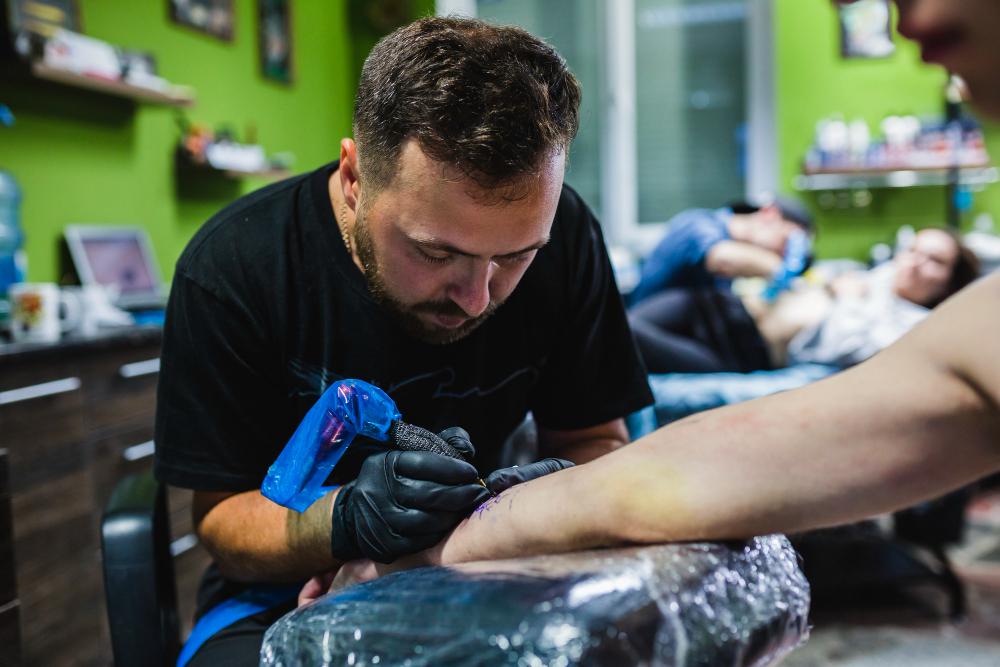
Walking into a tattoo studio for the first time can feel intimidating. The buzz of machines, the smell of ink and antiseptic, the walls covered in flash art—it all creates an atmosphere that’s both exciting and slightly nerve-wracking. But beyond the artistic displays and portfolio books, there’s something far more critical that should capture attention: cleanliness. The difference between a professional establishment and a potential health disaster often comes down to hygiene protocols that most clients never see.
Professional tattoo studios operate under strict health regulations for good reason. The tattooing process involves breaking the skin barrier, which creates an entry point for bloodborne pathogens and bacterial infections. According to the Centers for Disease Control and Prevention, improper sterilization and cross-contamination in body modification settings can transmit serious diseases including hepatitis B, hepatitis C, and even HIV. This makes hygiene standards not just a recommendation, but an absolute necessity.
The tattoo industry has evolved dramatically over the past few decades. What was once considered an underground practice has transformed into a mainstream art form with professional standards that rival medical facilities. Today’s reputable studios follow protocols established by health departments, occupational safety organizations, and industry associations to ensure every client leaves with nothing but beautiful artwork—no infections, no complications, no regrets.
Understanding the Regulatory Landscape for Tattoo Studio Hygiene
Tattoo studios don’t operate in a regulatory vacuum. Most jurisdictions require licensing, regular inspections, and adherence to specific health codes. The Occupational Safety and Health Administration provides guidelines on bloodborne pathogen exposure control that apply directly to tattooing environments. These regulations cover everything from proper disposal of contaminated materials to mandatory training for artists who handle biohazardous waste.
State and local health departments typically conduct unannounced inspections of tattoo establishments, checking compliance with sanitation standards. Violations can result in fines, license suspension, or permanent closure. Studios in major cities often face more stringent requirements than those in rural areas, though minimum federal standards apply everywhere. Some states require tattoo artists to complete bloodborne pathogen training and obtain certification before they can legally practice.
Professional associations like the Alliance of Professional Tattooists have developed comprehensive safety standards that go beyond minimum legal requirements. These voluntary guidelines reflect industry best practices and demonstrate a studio’s commitment to client safety. Studios that follow these elevated standards often display their certifications prominently, signaling to potential clients that they take hygiene seriously.
Insurance companies also play a role in enforcing hygiene standards. Professional liability coverage for tattoo studios typically requires proof of compliance with health regulations and completion of safety training programs. Studios without proper insurance or documentation of hygiene protocols face significant financial and legal risks if complications arise.
The Autoclave: The Heart of Studio Sterilization
Every professional tattoo studio should have at least one autoclave, a pressure steam sterilization device that eliminates all microorganisms including bacterial spores. This equipment represents the gold standard for sterilizing reusable tools and equipment. The Food and Drug Administration classifies autoclaves as medical devices and establishes performance standards for their operation.
Autoclaves work by subjecting items to saturated steam at 121°C (250°F) or higher under pressure for a minimum of 30 minutes, though many studios run longer cycles to ensure complete sterilization. The combination of heat, pressure, and moisture destroys even the most resistant pathogens. Studios should run spore tests at least weekly to verify their autoclave is functioning properly—these biological indicators contain highly resistant bacterial spores that only die under proper sterilization conditions.
Before items enter the autoclave, they must be thoroughly cleaned to remove visible debris and organic material. This pre-cleaning process typically involves ultrasonic cleaners or manual scrubbing with enzymatic solutions. Items are then dried, packaged in sterilization pouches with chemical indicators, and dated before being processed in the autoclave. The pouches remain sealed until immediately before use, maintaining sterility.
Proper autoclave maintenance is equally important. Studios should keep detailed logs documenting every sterilization cycle, including date, time, temperature, pressure readings, and items processed. These records demonstrate regulatory compliance and provide accountability if questions arise. Regular professional servicing ensures the equipment continues operating at optimal performance levels.
Single-Use and Disposable Items: The Non-Negotiables
The shift toward single-use disposable equipment has revolutionized tattoo safety. Needles, tubes, grips, and tips should always be single-use items that come pre-sterilized in sealed packages and are discarded immediately after a single session. There is no acceptable reason for reusing these items between clients, regardless of sterilization attempts.
Modern tattoo needles come individually packaged with expiration dates and sterility indicators. Artists should open these packages in front of clients, demonstrating that brand-new equipment is being used. After the session, needles go directly into sharps containers without recapping—recapping used needles creates unnecessary puncture risks for artists and staff.
Ink caps, barrier films, razors, gloves, and cleaning supplies also fall into the disposable category. Reputable studios use individual portion cups for ink rather than dipping repeatedly into bottles, preventing cross-contamination between clients. Some progressive studios have moved to using completely disposable grip systems rather than reusable grips that require autoclaving.
Sharps containers must be rigid, puncture-resistant, and clearly labeled with biohazard symbols. These containers should never be filled beyond the designated fill line, and studios must contract with licensed medical waste disposal services for proper removal and destruction. According to Environmental Protection Agency guidelines, medical waste must be tracked from generation through final disposal to ensure public safety.
Station Setup and Barrier Protection Protocols
Every tattoo station should be treated as a surgical field. Before each client, artists must clean all surfaces with hospital-grade disinfectants approved by the EPA for use against bloodborne pathogens. These products require specific contact times to be effective—simply spraying and immediately wiping doesn’t allow sufficient time for disinfection.
Barrier protection takes surface disinfection a step further. Artists should cover work surfaces, machine components, clip cords, power supplies, and any other equipment that might be touched during the session with disposable barriers. These barriers—typically plastic wrap or specially designed covers—prevent contamination from reaching underlying surfaces. When changed between clients, barriers dramatically reduce cross-contamination risks.
The barrier technique extends to bottles and containers. Rather than touching ink bottles, stencil solution containers, or petroleum jelly tubs with contaminated gloves, artists should either use barriers on these items or have an assistant handle them. This prevents the entire studio supply from becoming contaminated by contact with one client’s biological material.
Setup should follow a logical clean-to-dirty workflow. Clean supplies remain in their sealed packages until needed. The tattoo machine, ink, and other materials are arranged within easy reach. Once the session begins, artists maintain awareness of contaminated versus clean zones, never touching clean items with soiled gloves or allowing cross-contamination between areas.
Hand Hygiene and Personal Protective Equipment Standards
Hand washing represents the single most effective infection control measure in any healthcare setting, and tattoo studios are no exception. The World Health Organization emphasizes proper hand hygiene as critical for preventing pathogen transmission. Artists should wash hands thoroughly with antimicrobial soap before gloving and immediately after glove removal.
Proper hand washing technique takes at least 20 seconds and includes scrubbing all surfaces of hands, between fingers, and under nails. Some studios install touchless faucets and soap dispensers to minimize surface contact after washing. Hand sanitizer with at least 60% alcohol content can supplement but not replace hand washing when hands are visibly soiled.
Gloves must be worn throughout any procedure involving potential blood or body fluid exposure. Artists should use medical-grade nitrile gloves rather than latex, which can cause allergic reactions in some clients and artists. Gloves must be changed between clients, whenever torn or contaminated, and any time the artist touches non-barrier-protected surfaces outside the immediate work area.
Additional personal protective equipment becomes necessary in certain situations. Face shields or safety glasses protect against splash exposure when cleaning equipment or during procedures that might create aerosols. Masks prevent respiratory droplet transmission and protect artists from inhaling particles when sanding stencils or cleaning surfaces. Some artists wear disposable gowns or aprons to protect their clothing from contamination.
Client Skin Preparation and Antiseptic Application
Proper skin preparation transforms the tattoo site from a contaminated surface into a relatively sterile field. The process begins with visual inspection of the intended area. Artists should discuss any moles, lesions, rashes, or other skin conditions with clients and refuse to tattoo over areas showing signs of infection or disease.
Hair removal comes next when necessary. Single-use disposable razors prevent cross-contamination between clients. The razored area should be larger than the actual tattoo to ensure the entire working field is clear. Used razors are immediately discarded into sharps containers, never left sitting on the work surface.
Cleansing the site involves multiple steps using proper antiseptic solutions. The Association for Professionals in Infection Control and Epidemiology recommends specific protocols for skin antisepsis before invasive procedures. Many studios use a combination approach: initial cleaning with antimicrobial soap and water, followed by application of an EPA-registered hospital-grade disinfectant appropriate for skin use.
Common choices include isopropyl alcohol (70%), chlorhexidine gluconate solutions, or povidone-iodine preparations. These antiseptics require specific contact times to be effective—typically 30 seconds to several minutes depending on the product. The antiseptic should be allowed to air dry completely rather than being wiped off, as the drying process is part of the antimicrobial action.
Throughout the tattooing process, artists should periodically clean the area to remove excess ink, blood, and plasma. This keeps the working field visible and reduces the amount of biological material present. Single-use paper towels or gauze prevent the reintroduction of pathogens from reusable cleaning cloths.
Environmental Controls and Studio Maintenance
The physical environment of a tattoo studio contributes significantly to overall hygiene standards. Surfaces throughout the studio should be non-porous and easily cleanable. Carpeting, upholstered furniture, and porous materials harbor bacteria and cannot be adequately disinfected, making them inappropriate for procedure areas.
Floors require regular cleaning with hospital-grade disinfectants, with daily mopping in procedure rooms and spot cleaning of any spills immediately. Walls should be wipeable and maintained free of dust and debris. Many studios use semi-gloss or high-gloss paint finishes that can withstand frequent cleaning and disinfection.
Air quality deserves attention beyond what most clients consider. Proper ventilation systems exchange air regularly, preventing buildup of aerosols, chemical fumes, and airborne contaminants. Some studios invest in HEPA filtration systems to further improve air quality. Temperature and humidity control not only increases client comfort but also prevents moisture accumulation that encourages microbial growth.
Bathroom facilities must be separate from procedure areas and equipped with hands-free fixtures where possible. Bathrooms require at least daily cleaning with attention to high-touch surfaces like door handles, faucets, and toilet seats. Studies from environmental health research consistently show that restroom hygiene reflects overall facility cleanliness standards.
Waiting areas and reception spaces, while not requiring the same level of sterility as procedure rooms, should still maintain high cleanliness standards. These spaces create first impressions and signal to clients how seriously the studio takes hygiene overall. Regular cleaning schedules, posted publicly, demonstrate accountability and commitment to sanitation.
Training, Certification, and Ongoing Education Requirements
Technical tattooing skill means nothing if artists lack proper training in hygiene and infection control. Comprehensive bloodborne pathogen training should be mandatory for all staff members who might encounter biological materials. The training covers disease transmission routes, prevention strategies, proper use of personal protective equipment, and emergency response procedures for exposure incidents.
Many jurisdictions require documented completion of approved training programs before granting or renewing tattoo licenses. These courses typically require periodic recertification—usually annually—to ensure artists stay current with evolving best practices. Documentation of training completion should be available for inspection by health authorities.
Beyond basic requirements, progressive studios invest in advanced training for their artists. This might include attending workshops on sterilization technology, cross-contamination prevention, or emerging infectious disease threats. Industry conferences provide opportunities for networking with other professionals who share hygiene insights and problem-solving strategies.
Cross-training ensures multiple staff members understand sterilization protocols, equipment operation, and emergency procedures. This redundancy prevents lapses when key personnel are unavailable. Regular team meetings to review protocols and discuss near-miss incidents create a culture of safety awareness where everyone takes responsibility for maintaining standards.
Mock inspections conducted by senior staff or outside consultants identify potential compliance gaps before official regulatory visits. These practice runs familiarize all team members with what inspectors look for and reinforce the importance of maintaining standards consistently, not just when inspection is imminent.
Documentation Systems and Compliance Records
Meticulous record-keeping demonstrates professionalism and provides legal protection if complications arise. Every client session should generate documentation including consent forms, health screening questionnaires, and aftercare instructions. These records must be maintained confidentially in compliance with privacy regulations.
Autoclave logs track every sterilization cycle with details about items processed, temperatures achieved, pressure readings, and results of chemical and biological indicators. These logs serve as evidence of due diligence if questions about sterilization adequacy arise. Many modern autoclaves include digital record-keeping systems that automatically document each cycle.
Supply inventories track expiration dates on sterilized items, ensuring nothing remains in rotation beyond its sterility guarantee period. First-in-first-out rotation systems prevent items from languishing on shelves past their use-by dates. Regular inventory audits catch expiration issues before they become problems.
Maintenance records for autoclaves, ultrasonic cleaners, and other equipment document regular servicing and repairs. These records prove the studio maintains equipment according to manufacturer specifications. They also help identify recurring issues that might indicate equipment approaching the end of its useful life.
Incident reports document any accidents, exposures, or near-misses involving contamination or sterilization failures. These reports aren’t admissions of guilt but rather tools for identifying system weaknesses and implementing improvements. A studio that never reports incidents likely isn’t looking closely enough at its operations.
Comparison Table: Professional vs. Substandard Hygiene Practices
| Hygiene Aspect | Professional Studio Standards | Red Flags to Avoid |
|---|---|---|
| Needle Usage | Single-use, pre-sterilized needles opened in front of client | Reused needles, unmarked packages, or out-of-date supplies |
| Autoclave Operation | Weekly spore testing, detailed cycle logs, visible in studio | No autoclave present, untested equipment, or missing documentation |
| Glove Protocol | Fresh gloves per client, changed when contaminated, nitrile material | Reused gloves, touching multiple surfaces with same gloves, no gloves worn |
| Surface Barriers | Fresh barriers each client on all equipment and surfaces | Permanent surfaces wiped only, no barriers used, visibly soiled equipment |
| Ink Handling | Single-use caps, individual portions, sealed bottles | Repeated dipping into bottles, shared ink caps, unlabeled containers |
| Sharps Disposal | FDA-approved sharps containers, licensed waste removal service | Regular trash disposal, overfilled containers, needles left exposed |
| Hand Hygiene | Frequent washing, antimicrobial soap, visible sinks in work areas | Irregular washing, no soap available, artist doesn’t wash between clients |
| Training Documentation | Current certificates displayed, annual renewals, staff training records | No certificates visible, artist cannot verify training, expired credentials |
Client Responsibilities and Informed Decision-Making
While studios bear primary responsibility for maintaining hygiene standards, clients play an important role in protecting their own health. Research before selecting a studio should include checking licensing status with local health departments, reading reviews that mention cleanliness, and asking about sterilization protocols during consultations.
During studio visits, potential clients should observe artist behavior, equipment condition, and general cleanliness. A reputable artist welcomes questions about hygiene practices and readily explains their procedures. Defensiveness or evasiveness about sterilization techniques signals potential problems.
Clients should never feel pressured to proceed if they observe concerning hygiene lapses. Walking away from an appointment, even after consultation time invested, is better than risking infection from contaminated equipment. Most health problems from tattoos are preventable through proper studio selection.
Aftercare compliance represents the client’s primary hygiene responsibility. Following artist instructions for cleaning, moisturizing, and protecting the new tattoo prevents infection during the critical healing period. Clients should contact their artist or healthcare provider if they notice signs of infection like excessive redness, swelling, discharge, or fever.
Understanding that healing times vary helps clients distinguish normal healing from infection. Most tattoos heal within two to three weeks with proper care. Unusual symptoms warrant professional evaluation rather than internet diagnosis or self-treatment.
Emergency Response and Exposure Incident Protocols
Despite best practices, accidents occasionally occur. Studios must have written exposure control plans detailing response procedures when artists or clients experience needlestick injuries, blood splashes, or other potential pathogen exposures. These plans should be readily accessible and all staff should know how to implement them.
Immediate response to needlestick or sharp injuries involves washing the affected area thoroughly with soap and water, then reporting the incident to a designated supervisor. The exposed individual should seek immediate medical evaluation to determine whether post-exposure prophylaxis is appropriate. Timing is critical—treatment effectiveness decreases dramatically when delayed.
Documentation of exposure incidents protects all parties. Reports should include the circumstances of exposure, individuals involved, first aid provided, and follow-up actions taken. This documentation supports workers’ compensation claims if necessary and helps identify system failures that contributed to the incident.
Blood or body fluid spills require immediate cleanup using appropriate personal protective equipment and EPA-registered disinfectants effective against bloodborne pathogens. The affected area should be cleaned, disinfected, and allowed proper contact time before resuming activities. All materials used in cleanup should be treated as regulated medical waste.
Studios should maintain relationships with local healthcare providers familiar with occupational exposure management. Having a pre-established protocol for where exposed staff should seek treatment eliminates confusion during stressful situations. Some studios arrange advance agreements with occupational health clinics for expedited care.
Frequently Asked Questions About Tattoo Studio Hygiene
How can clients verify that a tattoo studio follows proper sterilization protocols?
Clients should ask to see the studio’s autoclave and request information about testing frequency. Reputable studios keep spore test results available for client review and can explain their entire sterilization process in detail. Licensing certificates and health inspection reports should be displayed publicly. During consultation, observe whether the artist opens new, sealed needle packages and uses fresh barriers on equipment. Studios confident in their protocols welcome questions rather than becoming defensive or secretive.
What diseases can be transmitted through improper tattoo hygiene?
Bloodborne pathogens represent the primary concern, including hepatitis B, hepatitis C, and HIV. Bacterial skin infections like staphylococcus and streptococcus can occur from contaminated equipment or improper aftercare. Antibiotic-resistant strains like MRSA pose serious health risks if transmitted through tattooing. Other potential infections include tuberculosis, syphilis, and various viral skin infections. While disease transmission through professional studios with proper hygiene is extremely rare, the consequences of infection justify rigorous prevention measures.
How often should autoclaves be tested to ensure they’re working properly?
Biological indicator spore tests should be conducted at least weekly, though some health departments require more frequent testing. These tests use highly resistant bacterial spores that only die under proper sterilization conditions. Chemical indicators should be included with every autoclave cycle to verify that proper temperature and pressure were reached. Additionally, autoclaves require annual professional servicing and calibration to maintain optimal performance. Studios should maintain detailed logs of all testing and maintenance activities.
Are there differences in hygiene requirements between traditional and modern tattoo techniques?
Core hygiene principles remain constant regardless of technique, though specific applications vary. Machine tattooing, hand-poke techniques, and cosmetic tattooing all require the same fundamental sterilization standards. Single-use needles, proper barrier protection, and surface disinfection apply universally. However, specialized techniques may involve additional equipment requiring specific sterilization protocols. For example, microblading tools used in cosmetic tattooing require autoclave sterilization between clients just like traditional tattoo equipment.
What should clients do if they suspect they’ve received a tattoo in unhygienic conditions?
Clients should immediately document their concerns with photographs and detailed notes about the observed hygiene lapses. Monitoring the tattoo site for signs of infection including redness, swelling, discharge, or fever is essential. If symptoms develop, seek medical attention promptly and inform healthcare providers about the tattoo and concerns about hygiene. Report the studio to local health departments, which investigate complaints and can take enforcement action if violations occurred. Consider getting tested for bloodborne pathogens, though transmission risk from a single exposure varies based on specific circumstances.
How do reputable studios handle clients with infectious diseases or compromised immune systems?
Professional artists screen clients for health conditions that might complicate tattooing or require special precautions. Universal precautions—treating all clients as potentially infectious—protect everyone regardless of disclosed health status. However, clients with active infections, compromised immune systems, or certain medical conditions may be advised to postpone tattooing or obtain medical clearance before proceeding. Studios should never discriminate based on health status but can refuse service if safe tattooing cannot be guaranteed for the client or others.
What qualifications should tattoo artists have regarding hygiene and safety training?
At minimum, artists should complete bloodborne pathogen training certified by an approved organization. Many jurisdictions require first aid and CPR certification. Progressive studios seek artists with additional training in infection control, sterilization technology, and occupational safety. Membership in professional organizations that maintain safety standards demonstrates commitment to ongoing education. Artists should be able to produce documentation of training completion and show currency of certifications upon request.
How has the COVID-19 pandemic affected tattoo studio hygiene standards?
The pandemic heightened awareness of disease transmission and reinforced the importance of respiratory hygiene, ventilation, and surface disinfection. Many studios implemented additional protocols including health screening questionnaires, temperature checks, and enhanced cleaning between appointments. Mask requirements varied by jurisdiction but many studios maintained voluntary masking policies. The pandemic ultimately reinforced practices that professional studios were already following while raising client expectations for visible hygiene measures.
Moving Forward: The Future of Tattoo Industry Hygiene Standards
The tattoo industry continues evolving toward higher safety standards as technology advances and research expands understanding of pathogen transmission. Innovations in sterilization equipment, single-use supplies, and barrier materials make maintaining hygiene easier and more foolproof than ever before. Digital documentation systems replace paper logs, creating more reliable audit trails and reducing record-keeping errors.
Emerging technologies may further transform industry practices. Some companies are developing advanced antimicrobial surfaces that actively kill pathogens on contact. Improved autoclave designs offer faster cycle times and more reliable sterilization verification. Single-use electronic tattoo machines eliminate the need for sterilizing reusable equipment, though widespread adoption faces cost barriers.
Professional associations continue refining best practice guidelines as new research emerges. Collaboration between health authorities, industry leaders, and working artists creates standards that balance safety with practical implementation. As mainstream acceptance of tattooing grows, public expectations for professionalism and safety increase correspondingly.
Education initiatives aim to raise awareness among both artists and clients about hygiene importance. Apprenticeships increasingly emphasize safety training alongside artistic development. Some advocates push for standardized national certification programs to ensure consistent baseline competency across jurisdictions with varying regulations.
The responsibility for maintaining hygiene standards ultimately rests with individual studios and artists. Regulations provide minimum requirements, but exceptional studios exceed these baselines, recognizing that client safety represents both ethical obligation and business advantage. Word-of-mouth recommendations increasingly mention cleanliness alongside artistic quality, making hygiene a competitive differentiator.
Clients armed with knowledge about proper hygiene standards become informed consumers capable of identifying professional establishments versus risky operations. This market pressure encourages all studios to elevate their practices or risk losing business to competitors with better reputations for safety. As client expectations rise, the industry standard continues moving toward excellence.
The journey toward perfect hygiene practices never truly ends. Each day presents opportunities to improve protocols, update training, and reinforce safety culture among staff. Studios that view hygiene as an ongoing commitment rather than a checkbox to mark create environments where both artistic expression and client safety flourish together.
Choosing to get tattooed represents a significant personal decision deserving of careful consideration. The permanent nature of tattoos makes selecting the right studio and artist critical. While artistic style and portfolio quality matter greatly, hygiene standards should never be compromised for convenience, cost savings, or artistic reputation. Beautiful tattoos from unsafe studios carry risks that far outweigh any temporary benefits.
Professional tattoo studios demonstrate that artistic excellence and rigorous hygiene standards coexist naturally. The best artists understand that their work only succeeds when clients heal properly without complications. These professionals take pride in both their artistic achievements and their safety records. They invest in equipment, training, and protocols that protect clients because doing so represents fundamental professional responsibility.
For anyone considering getting tattooed, taking time to research studios, ask questions, and observe hygiene practices before committing to an appointment pays dividends in safety and peace of mind. The extra effort spent finding a truly professional establishment prevents potentially serious health complications and ensures the tattoo experience remains positive from start to finish. Beautiful permanent art deserves a foundation of uncompromising safety standards.