
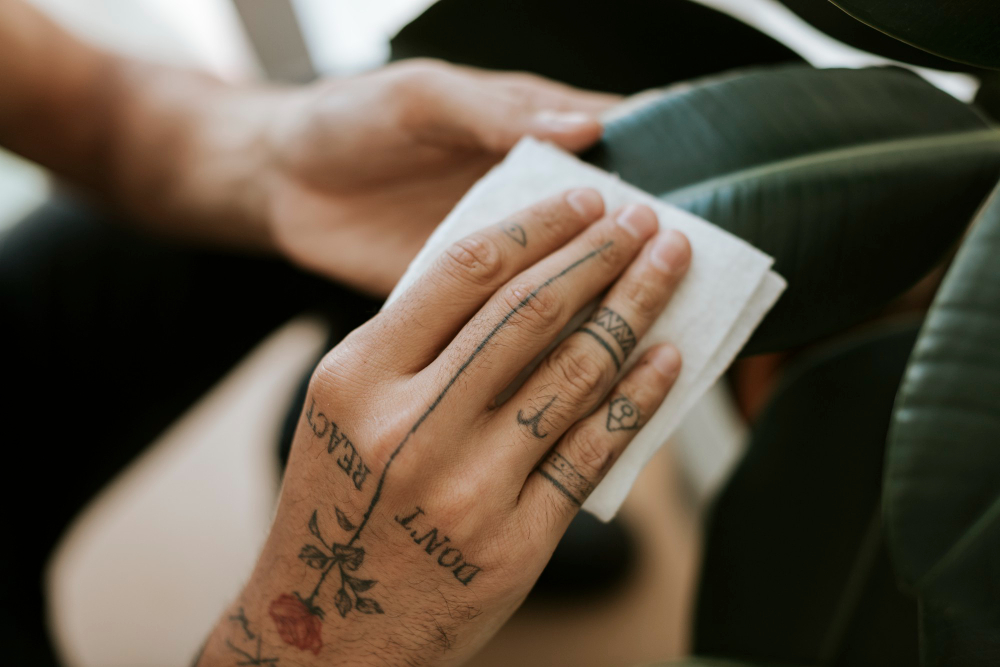
Small minimalist tattoos have surged in popularity among those taking their first steps into the world of body art. These designs, characterized by clean lines, simple shapes, and understated elegance, offer a perfect entry point for beginners. They require less commitment in terms of time, pain, and cost compared to larger pieces, yet they deliver profound personal expression. Whether it’s a delicate outline on the wrist or a subtle geometric form on the ankle, minimalist tattoos blend seamlessly with everyday life while carrying deep meaning.
The appeal lies in their versatility. In a world filled with bold statements and intricate artwork, these small tattoos provide a quiet confidence. They age gracefully on the skin, often maintaining their crisp appearance for years when cared for properly. For newcomers, the simplicity reduces the intimidation factor—fewer details mean less room for error during the tattooing process, and the designs are easier to envision on the body.
This guide explores every facet of small minimalist tattoos for beginners, from selecting the right concept to ensuring proper healing. Drawing on insights from dermatologists, experienced tattoo professionals, and established resources, it equips readers with practical knowledge to make informed decisions. The focus remains on designs that feel intentional and enduring, helping first-timers avoid common regrets while embracing ink that feels uniquely theirs.
What Defines a Minimalist Tattoo and Why It Suits Beginners
Minimalist tattoos strip away excess, focusing on essential elements like single lines, basic shapes, or sparse symbols. This style emerged from modern design principles, influenced by art movements that celebrated simplicity and form. A typical minimalist tattoo might consist of a thin outline, a series of dots, or a short phrase rendered in elegant script.
For beginners, this approach offers several advantages. The smaller scale means shorter sessions, often lasting under an hour, which helps build tolerance for the sensation of tattooing. Pain levels tend to be more manageable, especially in less sensitive areas. Additionally, these designs are forgiving—minor imperfections in line work are less noticeable than in detailed realism.
Experts note that minimalist styles also align well with evolving personal tastes. As life changes, a subtle tattoo remains adaptable, whether hidden under clothing or displayed proudly. According to tattoo placement and design principles outlined by professionals, starting small allows individuals to test the waters without long-term visual overload.
Popular Small Minimalist Tattoo Ideas to Inspire Your First Ink
The beauty of minimalist tattoos lies in their endless variations. Here are some of the most sought-after concepts for beginners, each adaptable to personal preferences.
Single-Line Drawings: These tattoos use one continuous line to form shapes like a mountain range, a wave, or a bird in flight. The technique, known as single-line art, creates fluid motion with minimal strokes. A small wave on the inner forearm, for instance, evokes the ocean’s rhythm and suits those drawn to nature.
Geometric Shapes: Triangles, circles, and hexagons symbolize balance, infinity, or protection. A simple triangle pointing upward might represent growth, while interconnected circles suggest harmony. These designs excel in precision and look striking on flat skin surfaces.
Nature-Inspired Motifs: Tiny ferns, leaves, or pine trees capture the essence of the outdoors. A single leaf outline or a minimalist tree with a few branches works beautifully on the ankle or collarbone. These elements often carry themes of renewal and resilience.
Symbolic Icons: Hearts in outline form, arrows, stars, or moons appear frequently. An arrow can signify direction and perseverance, while a crescent moon represents cycles and intuition. Keeping them to 1-2 inches ensures they remain understated.
Abstract Lines and Dots: Constellation patterns using dots or a series of parallel lines mimic celestial maps or abstract landscapes. These are ideal for those seeking something non-representational yet visually engaging.
Short Text or Initials: A single meaningful word like “breathe” or “courage” in fine script, or intertwined initials, adds a personal layer. Fine-line typography prevents the design from feeling cluttered.
These ideas draw from trends observed across tattoo communities, as highlighted in collections like those featured on Byrdie’s guide to small wrist tattoos. Each can be customized in size and orientation to fit the body perfectly.
- Line-Based Designs: Best for smooth, flowing elements; require steady hands from the artist.
- Shape-Focused Tattoos: Emphasize symmetry; thrive in symmetrical body spots.
- Nature Elements: Incorporate negative space for depth without added detail.
- Symbolic Forms: Layer meaning through placement and subtle variations.
Ideal Placements for Small Minimalist Tattoos
Placement plays a crucial role in how a tattoo looks and feels over time. For small designs, certain areas enhance visibility while minimizing distortion from movement.
The wrist ranks among the top choices. Its flat surface displays lines clearly, and the tattoo can face inward for privacy or outward for subtle sharing. Inner wrists suit delicate symbols that catch the eye during daily tasks.
Ankles and feet offer a graceful option, especially for nature motifs. Tattoos here often peek out from shoes, adding an element of surprise. However, they may require more frequent touch-ups due to friction.
Behind the ear or on the neck provides discretion. These spots work well for tiny icons or single words, visible only when hair is pulled back. The skin here is thinner, so artists recommend finer needles for comfort.
Collarbone and ribs deliver an intimate canvas. Designs placed here remain mostly hidden but reveal themselves elegantly with movement. The area’s natural curves complement curved lines.
Fingers and hands suit the bold beginner. Small bands or dots on the side of a finger create a modern look, though these fade faster and need diligent care.
Professionals emphasize matching placement to lifestyle, as detailed in comprehensive tattoo placement resources. Areas with less stretching, like the forearm or shoulder, preserve detail longer.
The Symbolism Behind Minimalist Designs
Minimalist tattoos pack meaning into minimal forms. A single line can represent a journey, while a circle denotes wholeness. These symbols draw from universal archetypes and personal narratives.
- Waves: Often linked to adaptability and the flow of life.
- Mountains: Symbolize strength and overcoming challenges.
- Arrows: Indicate forward momentum and focus.
- Hearts: Convey love in its purest, uncomplicated form.
- Stars: Represent guidance and aspiration.
Insights from tattoo symbolism guides, such as those on Chronic Ink’s exploration of minimalist tattoos, show how these elements resonate across cultures. Beginners benefit from reflecting on what a symbol means to them before committing, ensuring the ink feels authentic.
How to Select the Perfect Design for Your First Tattoo
Choosing a design involves self-reflection. Consider daily routines, wardrobe, and long-term goals. A tattoo that aligns with these factors stands the test of time.
Start by browsing inspiration boards, then sketch variations. Consult with artists who specialize in fine lines, as their expertise ensures clean execution. Test the concept by drawing it on the skin with a marker to visualize scale and placement.
Factor in skin tone and body type. Lighter inks may suit fairer complexions, while bold black lines pop on darker tones. Simplicity allows for future additions if desired, making it a smart starting point.
Resources like Shihori Obata’s collection of small meaningful tattoos provide neutral examples that spark ideas without overwhelming.
Finding and Choosing a Reputable Tattoo Artist
The artist’s skill determines the tattoo’s quality. Look for professionals experienced in minimalist work, evident through portfolios showing healed results.
Verify licensing and studio hygiene standards. Reputable shops follow strict protocols to prevent infections. Read reviews and observe how artists interact with clients during consultations.
Specialists in fine-line techniques use smaller needles and precise machines. Discuss expectations openly—artists appreciate clients who arrive with clear but flexible ideas.
Guides on selecting the right tattoo professional stress the importance of compatibility. A strong rapport leads to better outcomes.
Preparing for Your Tattoo Session
Preparation sets the stage for success. Eat a balanced meal beforehand to stabilize blood sugar. Avoid alcohol and blood-thinning medications for 24 hours prior.
Wear comfortable clothing that allows easy access to the area. Bring headphones or a book to stay relaxed. Arrive on time and communicate any concerns.
Essential Aftercare for Healing and Longevity
Proper aftercare preserves the tattoo’s appearance. Clean the area gently twice daily with fragrance-free soap and water. Apply a thin layer of recommended ointment, avoiding thick coatings that trap moisture.
Keep the tattoo out of direct sunlight and pools for at least two weeks. Moisturize as needed, but never overdo it. Full healing takes 4-6 weeks, during which scabbing and peeling occur naturally.
Dermatological advice from sources like the American Academy of Dermatology and Healthline’s tattoo aftercare guide underscores consistency. Neglect can lead to fading or infection.
Key Aftercare Steps:
- Wash hands before touching.
- Pat dry, never rub.
- Use unscented lotion.
- Avoid tight clothing.
- Monitor for unusual redness.
Common Mistakes Beginners Make and How to Avoid Them
Rushing the decision tops the list. Take time to live with the idea for weeks. Choosing overly trendy designs risks regret as styles evolve.
Ignoring artist expertise leads to blurred lines. Opt for specialists rather than generalists. Overlooking aftercare shortens the tattoo’s life—follow instructions precisely.
Budget realistically. Quality work costs more upfront but saves on cover-ups later. According to Mayo Clinic insights on tattoo risks, understanding potential complications prevents surprises.
Comparing Popular Small Minimalist Tattoo Designs
To help narrow options, this comparison highlights standout choices based on common preferences.
| Design | Core Symbolism | Ideal Placement | Beginner-Friendly Factors | Longevity Potential |
|---|---|---|---|---|
| Single-Line Wave | Flow, change, resilience | Wrist, forearm, ankle | Simple execution, quick session | High (minimal detail) |
| Geometric Triangle | Balance, strength, direction | Collarbone, rib | Symmetrical, easy to scale | Excellent |
| Minimalist Leaf | Growth, nature, renewal | Behind ear, finger | Organic lines, forgiving on curves | Very Good |
| Outline Heart | Love, self-care, connection | Inner wrist, ankle | Versatile, emotionally resonant | High |
| Crescent Moon | Cycles, intuition, mystery | Neck, collarbone | Elegant curves, subtle impact | Excellent |
| Arrow | Progress, focus, protection | Forearm, shoulder | Straight lines, strong visual statement | Very Good |
This table illustrates how designs balance meaning, practicality, and durability.
FAQ: Answering Common Questions About Small Minimalist Tattoos
How painful are small minimalist tattoos for beginners?
Pain varies by placement and individual tolerance. Bony areas like wrists or ankles may sting more, but sessions are brief. Most describe it as a scratch or mild burn that fades quickly.
What is the typical cost for a small minimalist tattoo?
Expect $50 to $200, depending on the artist’s experience and location. Studio minimums often apply, and custom work may add slightly more. Quality outweighs bargain pricing.
Do small tattoos fade faster than larger ones?
Not necessarily. With proper care and placement away from high-friction zones, they hold up well. Touch-ups every few years maintain sharpness.
Can people with sensitive skin get minimalist tattoos?
Yes, but consult a dermatologist first. Fine lines reduce ink volume, lowering reaction risks. Patch tests for ink allergies are advisable.
How long does it take for a small tattoo to heal completely?
Surface healing occurs in 2-4 weeks, but deeper layers settle over 3-6 months. Avoid judging the final look until then.
Is it possible to remove or cover a small minimalist tattoo later?
Removal via laser works effectively on small pieces due to less ink. Covering is straightforward with larger designs if preferences change.
What should I do if I regret my first tattoo?
Wait at least a year before deciding. Many grow to love their ink. Professional consultation can explore options like cover-ups.
Are there any health risks specific to minimalist tattoos?
Standard risks apply, including infection if hygiene lapses. Reputable studios minimize these, as noted in WebMD’s tattoo care overview.
Embracing Your First Small Minimalist Tattoo
Small minimalist tattoos represent more than decoration—they embody thoughtful self-expression. For beginners, they provide a low-pressure introduction to body art that can evolve alongside personal growth. By prioritizing research, artist selection, and diligent care, the result becomes a lasting companion.
Consider the process as an investment in confidence and creativity. Explore designs that resonate, visit studios with intention, and approach aftercare as part of the art itself. With the right choices, a simple mark on the skin can become a source of quiet strength for years to come.
Take the next step by compiling a shortlist of ideas and reaching out to artists whose work speaks to you. The world of minimalist ink awaits, offering elegance in its most refined form.