
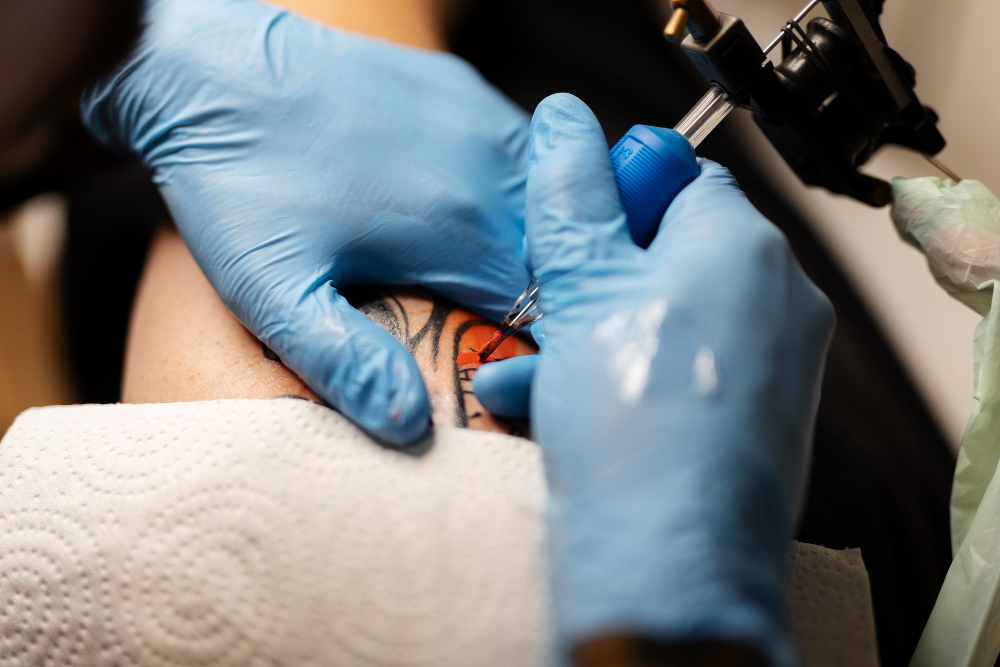
Body piercings have become a mainstream form of self-expression, with millions opting for everything from simple earlobe piercings to more intricate cartilage placements. Yet behind the appeal lies a crucial decision that directly impacts health outcomes: the method used to create the piercing. Needle piercing and gun piercing represent two vastly different approaches, and the safety gaps between them are substantial. Understanding these differences helps individuals make choices that prioritize long-term well-being over convenience.
The choice between these methods often comes down to where and how the piercing occurs. Many retail settings rely on piercing guns for their speed and perceived simplicity, while professional studios exclusively use needles. This divide stems from fundamental variations in how each tool interacts with human tissue, the level of sterility maintained, and the quality of materials involved. Exploring these elements reveals why one approach consistently demonstrates superior safety profiles across medical literature and expert consensus.
How Piercing Guns and Needles Actually Work
Piercing guns operate through a spring-loaded mechanism that drives a pre-loaded stud earring through the skin using blunt force. The process happens in one quick motion, with the stud’s pointed tip pushing aside tissue rather than cutting through it cleanly. This method is common in mall kiosks and jewelry stores, where the focus is on quick service for basic earlobe piercings.
In contrast, needle piercing employs a hollow, surgical-grade needle—typically 14 to 18 gauge—that creates a precise channel by slicing through the tissue. The jewelry is then gently inserted through this opening immediately after. This technique allows for controlled placement and is the standard in licensed piercing studios. The difference in mechanics might seem minor, but it sets the stage for everything from initial comfort to healing success.
The Hygiene Challenge: Why Sterility Matters More Than Speed
Sterility stands as one of the most significant safety differentiators. Piercing guns, often constructed with plastic components, cannot undergo proper autoclave sterilization—the gold standard for medical instruments that uses high-pressure steam to eliminate pathogens. Even with surface wipes, internal mechanisms can harbor residues from previous clients, raising concerns about cross-contamination.
The Association of Professional Piercers highlights how reusable guns come into contact with blood and bodily fluids multiple times daily, creating pathways for bacteria and viruses. This setup contrasts sharply with needle methods, where every needle is single-use, pre-sterilized, and disposed of in a sharps container after one procedure.
Medical organizations echo these concerns. Guidelines from health authorities stress the importance of single-use equipment to minimize infection risks, particularly in procedures that breach the skin barrier. When guns are involved, the potential for transmitting bloodborne pathogens like hepatitis increases, especially in high-volume environments where thorough cleaning between clients proves challenging.
Tissue Trauma: The Hidden Cost of Blunt Force
The physical impact on tissue reveals another layer of difference. Gun piercings rely on pressure to force the stud through, which compresses and tears surrounding areas rather than creating a clean incision. This blunt trauma leads to greater swelling, bruising, and prolonged inflammation as the body works to repair crushed cells and damaged blood vessels.
Needle piercings, by design, minimize this damage. The sharp edge produces a smooth, circular opening that aligns naturally with the jewelry, reducing unnecessary stress on the skin and underlying structures. Histological examinations of ear tissue, including a study published in the Journal of Laryngology & Otology, have documented patterns of injury, though real-world outcomes often favor needles due to better overall procedure control.
This trauma difference becomes especially pronounced in areas with cartilage, where poor blood supply already complicates healing. Excessive damage from guns can contribute to conditions like auricular chondritis—inflammation of the cartilage that may require antibiotics or, in severe cases, surgical intervention.
Jewelry Quality: Materials That Support or Sabotage Healing
The jewelry inserted plays a pivotal role in safety and recovery. Gun systems typically use starter studs made from alloys that may contain nickel or other metals not certified for prolonged skin contact. These pieces often feature butterfly backs that trap moisture and bacteria, while their fixed length fails to accommodate swelling during the initial healing phase.
Professional needle piercings pair with implant-grade materials such as titanium or surgical steel, which meet standards set by organizations like ASTM International for biocompatibility. These options resist corrosion, reduce allergic reactions, and allow for proper airflow and cleaning. The Mayo Clinic recommends hypoallergenic jewelry to prevent complications, underscoring why material choice influences everything from irritation to infection rates.
Precision, Placement, and Long-Term Results
Accuracy in piercing placement affects both aesthetics and functionality. Guns offer limited visibility and control, often resulting in off-center or angled holes that complicate jewelry changes later. Needles, guided by trained hands, enable precise marking and insertion tailored to individual anatomy.
This precision translates to better outcomes over time. Piercings created with needles tend to heal with less scarring and maintain their intended position, while those from guns may migrate or develop uneven channels due to initial trauma.
Risks and Complications: What the Evidence Shows
Complications from piercings range from mild irritation to serious infections, and method choice influences their likelihood. Gun piercings correlate with higher rates of localized infections, keloid formation, and allergic responses, particularly when performed outside controlled environments.
A review of ear piercing complications found elevated risks with reusable devices, including bacterial buildup and inadequate aftercare education. Needle procedures, when executed professionally, demonstrate lower incidence of these issues, thanks to sterile technique and quality aftercare guidance.
For cartilage piercings, the stakes rise further. The limited vascularity in these areas makes them vulnerable to infections that can spread quickly. Many health departments and pediatric experts advise against guns for any non-lobe locations due to these elevated risks.
Side-by-Side Comparison: Needle Piercing vs. Gun Piercing
To clarify the distinctions, here’s a detailed breakdown of key safety and practical factors:
| Aspect | Piercing Gun | Needle Piercing |
|---|---|---|
| Method | Blunt force pushes stud through tissue | Sharp hollow needle creates clean channel |
| Sterility | Reusable; difficult to fully sterilize | Single-use; fully sterilized and disposed |
| Tissue Trauma | High—causes crushing and tearing | Low—precise cut with minimal damage |
| Jewelry Quality | Often low-grade alloys; fixed sizes | Implant-grade titanium or steel; custom fit |
| Healing Time | 8–12 weeks or longer due to swelling | 4–8 weeks for lobes; varies by location |
| Infection Risk | Elevated from potential contamination | Significantly lower with proper technique |
| Precision | Limited control; one-size approach | High accuracy tailored to anatomy |
| Best For | Basic earlobe piercings in controlled settings | All locations, including cartilage and sensitive areas |
This table illustrates why professionals overwhelmingly favor needles for safer, more reliable results.
Factors to Consider When Choosing a Piercing Method
Location matters greatly. Earlobe piercings tolerate guns better in some cases, but even here, needles reduce complications. Cartilage, oral, or genital piercings demand needles exclusively due to higher sensitivity and infection potential.
Age is another consideration. Parents seeking ear piercings for children benefit from needle methods, as noted by pediatric specialists who highlight reduced scarring and infection risks compared to guns. The Riley Children’s Health pediatrician recommends needles for younger patients to support optimal healing.
Budget and convenience often drive gun choices, yet the potential for follow-up medical visits can offset initial savings. Professional studios invest in training and equipment that prioritize client safety.
Aftercare: The Foundation of Successful Healing
Proper aftercare remains essential regardless of method, though needle piercings often require less intensive intervention due to cleaner starts. Daily cleaning with saline solution, avoiding irritants, and keeping hands away from the area prevent most issues.
The American Academy of Dermatology advises gentle washing and monitoring for signs of trouble. Avoid twisting jewelry unnecessarily, and steer clear of pools or harsh products during the healing window. Consistent adherence to these steps maximizes the advantages of any piercing.
Expert Insights on Modern Piercing Practices
Professional piercers trained through apprenticeships and certified programs bring anatomical knowledge that enhances safety. They assess skin type, placement feasibility, and aftercare needs before proceeding. Regulatory bodies in many regions now require licensing for piercing facilities, further elevating standards.
Organizations dedicated to body modification safety continue advocating for needle-only practices. Their resources provide valuable guidance for those researching options, emphasizing education as the best defense against complications.
Common Myths About Piercing Methods
Several misconceptions persist around these techniques. One claims guns cause less pain, yet many report the opposite due to prolonged pressure and subsequent swelling. Another suggests guns suit children better, but evidence points to needles for gentler tissue handling.
The idea that all piercings carry equal risks overlooks how method and setting influence outcomes. Informed decisions based on facts lead to better experiences.
FAQ: Answering Key Questions on Piercing Safety
Is needle piercing more painful than using a gun?
Initial sensation varies by individual, but needles often produce a brief, sharp feeling followed by less swelling. Guns can create more discomfort from tissue compression that lingers.
Can piercing guns be used safely for cartilage?
Most experts advise against it. The combination of blunt force and poor sterilization increases risks of infection and permanent damage in cartilage areas.
What should I look for in a piercing studio?
Seek licensed professionals who use single-use needles, display autoclave certification, and offer implant-grade jewelry. Clean environments and thorough consultations signal quality.
How long does healing typically take?
Earlobes heal in 4–8 weeks with proper care, while cartilage may require 3–12 months. Needle methods generally accelerate this process.
Are there age restrictions for piercings?
Many studios require parental consent for minors. Needle techniques are preferred for safety across age groups, especially younger clients.
What if a piercing shows signs of infection?
Contact a healthcare provider promptly. Symptoms like excessive redness, pus, or fever warrant professional evaluation rather than self-treatment.
Do all jewelry stores use unsafe methods?
Not necessarily, but many rely on guns. Asking about their technique upfront helps identify safer alternatives.
Why do some people still prefer guns?
Perceived speed and lower upfront cost appeal to some, yet the full picture—including healing and potential complications—often favors professional needle services.
Conclusion: Making Safer Choices for Lasting Piercings
The safety differences between needle piercing and gun piercing extend far beyond surface-level convenience. From superior sterility and reduced tissue trauma to higher-quality jewelry and precise placement, needles consistently deliver better health outcomes supported by professional standards and medical insights.
Individuals considering piercings deserve approaches that respect the body’s healing processes. By prioritizing licensed studios, asking informed questions, and committing to thorough aftercare, anyone can enjoy their modifications with greater confidence and fewer setbacks.
Next steps involve researching local options through reputable directories, reading reviews from verified clients, and consulting with experienced piercers who can address specific concerns. Resources from established health organizations provide ongoing education to support these decisions.
Ultimately, the goal remains the same: piercings that enhance personal style while protecting well-being. With the right method and care, that balance becomes not just possible—but the standard expectation.