
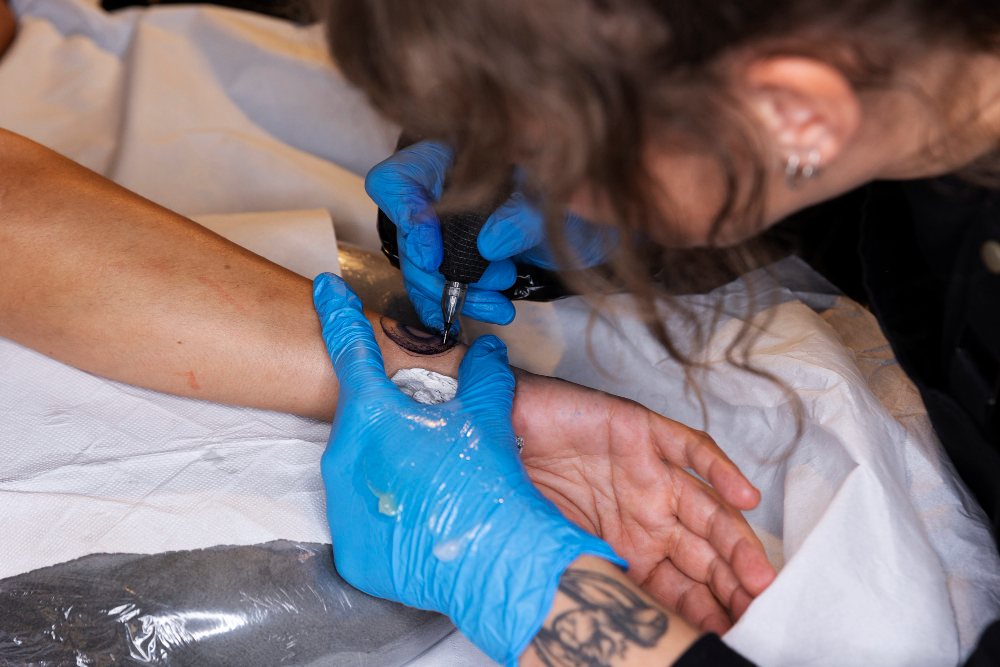
Getting a tattoo represents more than just aesthetic expression. The permanent nature of body art makes proper preparation absolutely critical, yet many people walk into tattoo studios without understanding how their skin condition directly impacts both the tattooing process and final results. The difference between a vibrant, well-healed tattoo and one that fades prematurely or heals poorly often comes down to what happens in the weeks and days before the needle touches skin.
Professional tattoo artists consistently emphasize that canvas quality matters just as much as artistic skill. According to dermatological research from the American Academy of Dermatology, properly prepared skin accepts ink more uniformly, experiences reduced trauma during application, and heals with significantly fewer complications. Clients who invest time preparing their skin report better experiences, less discomfort, and superior long-term results compared to those who treat tattoo appointments casually.
Understanding Your Skin as a Living Canvas
Skin functions as the body’s largest organ, consisting of multiple layers that respond dynamically to environmental factors, hydration levels, nutrition, and overall health status. The epidermis, where tattoo pigment gets deposited, constantly regenerates itself, with new cells pushing upward while older cells slough off. This ongoing renewal process means that skin condition at the time of tattooing directly influences how well it accepts and retains ink.
Healthy skin possesses several characteristics that tattoo artists look for: adequate moisture content, good elasticity, proper circulation, and absence of inflammation or damage. When skin meets these criteria, needles penetrate more smoothly, ink distributes more evenly, and healing progresses predictably. Conversely, dehydrated, damaged, or compromised skin creates numerous challenges that can affect both the tattooing experience and final appearance.
Research published in the Journal of Clinical and Aesthetic Dermatology demonstrates that skin hydration levels significantly impact how traumatic tattoo application becomes for tissue. Well-hydrated skin maintains better structural integrity during needle penetration, reducing overall trauma and subsequent inflammation. This scientific understanding explains why tattoo artists universally recommend specific preparation protocols before appointments.
The Timeline: When to Start Preparing Your Skin
Effective tattoo preparation operates on multiple timelines. Ideally, serious preparation should begin approximately four to six weeks before the scheduled appointment, though even shorter preparation periods can yield meaningful improvements. This extended timeline allows for comprehensive skin conditioning without rushing through important steps.
Four to Six Weeks Before
This preliminary period focuses on establishing healthy baseline skin conditions. During this phase, implementing consistent skincare routines, optimizing hydration habits, and addressing any existing skin issues takes priority. According to guidance from the Mayo Clinic, skin cells typically complete their renewal cycle approximately every 28 days, making this timeframe ideal for achieving noticeable improvements in skin quality.
Anyone with existing skin conditions such as eczema, psoriasis, or chronic dryness should consult with dermatologists during this phase. Medical professionals can recommend treatments or adjustments to bring these conditions under better control before tattooing. Tattoo artists typically refuse to work on actively inflamed or compromised skin, making early intervention essential for keeping scheduled appointments.
Two Weeks Before
The two-week mark represents a critical checkpoint for preparation. By this point, avoiding sun exposure becomes non-negotiable. Sunburned or tanned skin creates multiple problems for tattooing: increased sensitivity, altered pigmentation that affects color matching, and heightened risk of complications. Even mild tanning causes the skin to thicken and dry out, making ink application more difficult and potentially affecting how colors appear once healed.
This period also marks when exfoliation routines should stop. While gentle exfoliation helps earlier in the preparation phase, exfoliating too close to the appointment date can leave skin overly sensitive or slightly damaged. The Cleveland Clinic recommends allowing skin to stabilize for at least ten to fourteen days after any intensive exfoliation treatments before undergoing procedures that involve needle penetration.
One Week Before
The final week requires particularly careful attention to skin protection and preparation. Alcohol consumption should be minimized or eliminated during this period, as alcohol causes dehydration and can thin blood slightly, potentially increasing bleeding during the tattoo session. Blood thinning medications, even over-the-counter options like aspirin or ibuprofen, should be avoided unless medically necessary, after consulting with healthcare providers.
24 to 48 Hours Before
These final hours involve last-minute skin conditioning. Moisturizing becomes especially important, though clients should avoid applying lotion immediately before their appointment. Clean, naturally moisturized skin works best for tattooing. Shaving the area typically happens the day before or is left for the tattoo artist to handle, as freshly shaved skin can be slightly irritated.
Hydration: The Foundation of Tattoo-Ready Skin
Water intake impacts skin condition more profoundly than many people realize. Adequate hydration affects skin at the cellular level, improving elasticity, promoting better circulation, and enhancing the skin’s natural healing capabilities. For tattoo preparation, hydration serves as perhaps the single most important controllable factor.
Dermatological research consistently shows that chronically dehydrated skin exhibits reduced elasticity and slower healing times. When skin lacks proper moisture content, it becomes more prone to tearing, experiences greater inflammation during tattooing, and struggles more during recovery. Professional tattoo artists can often identify dehydrated clients immediately upon seeing their skin, noting how needles drag more, ink doesn’t settle as smoothly, and bleeding increases.
The National Institutes of Health recommends general hydration guidelines of approximately 15.5 cups of fluid daily for men and 11.5 cups for women, though individual needs vary based on activity level, climate, and body size. For tattoo preparation, meeting or slightly exceeding these recommendations for several weeks before the appointment optimizes skin condition. Plain water works best, as sugary drinks, excessive caffeine, and alcohol can have counterproductive dehydrating effects.
External hydration through moisturizers complements internal hydration from fluid intake. Unscented, gentle moisturizers applied daily help maintain skin’s protective barrier and moisture retention. Products containing hyaluronic acid, ceramides, or glycerin prove particularly effective for improving skin hydration. However, the type of moisturizer matters less than consistency of application over time.
Nutritional Factors That Influence Skin Quality
What people consume in the weeks before getting tattooed directly affects their skin’s readiness for this form of body modification. Nutrition impacts skin health through multiple pathways: providing building blocks for cellular repair, supporting immune function, affecting inflammation levels, and influencing circulation.
Protein and Collagen
Adequate protein intake supports skin structure and healing capacity. Collagen, the most abundant protein in skin, requires amino acids from dietary protein for synthesis. Foods rich in high-quality protein such as lean meats, fish, eggs, legumes, and dairy products provide these essential building blocks. Some research suggests that vitamin C enhances collagen production, making foods like citrus fruits, berries, and leafy greens valuable additions to pre-tattoo nutrition.
Essential Fatty Acids
Omega-3 and omega-6 fatty acids play crucial roles in maintaining skin’s lipid barrier and managing inflammation. According to studies referenced by the National Center for Biotechnology Information, adequate essential fatty acid intake correlates with improved skin barrier function and better wound healing. Cold-water fish, flaxseeds, walnuts, and quality plant oils provide these beneficial fats.
Vitamins and Minerals
Several micronutrients directly influence skin health and healing capacity. Vitamin A supports skin cell turnover and immune function. B-complex vitamins contribute to cellular metabolism and skin health. Vitamin E functions as an antioxidant protecting skin cells. Zinc participates in wound healing and immune response. A varied diet containing colorful fruits, vegetables, whole grains, and quality protein sources typically provides adequate amounts of these nutrients.
Foods to Minimize
Certain dietary patterns can negatively impact skin condition. High-sodium foods promote water retention and can cause skin puffiness. Excessive sugar intake may contribute to inflammation and can potentially affect healing capacity. While occasional consumption of these foods won’t derail tattoo preparation, prioritizing nutrient-dense whole foods optimizes skin condition.
Skincare Routines for Optimal Tattoo Preparation
Establishing appropriate skincare practices in the weeks before a tattoo appointment creates ideal conditions for the procedure. However, skincare for tattoo preparation differs somewhat from general cosmetic skincare, focusing primarily on skin health and barrier function rather than anti-aging or blemish treatment.
Cleansing Practices
Gentle cleansing maintains skin health without stripping natural protective oils. Harsh soaps or frequent hot showers can compromise skin’s moisture barrier, leading to dryness and irritation. Mild, fragrance-free cleansers used once or twice daily keep skin clean without causing damage. The area designated for tattooing deserves particular attention, maintaining cleanliness while avoiding over-washing that could cause dryness or irritation.
Moisturizing Strategies
Consistent moisturizing throughout the preparation period improves skin’s baseline condition. Applying moisturizer to slightly damp skin immediately after bathing helps lock in moisture. For tattoo preparation, simple, unscented moisturizers work better than heavily fragranced or medicated products. The goal involves maintaining healthy skin barrier function rather than treating specific cosmetic concerns.
Exfoliation Considerations
Early in the preparation timeline, gentle exfoliation helps remove dead skin cells and promotes healthy cell turnover. However, this practice should stop at least two weeks before the tattoo appointment. Over-exfoliation or exfoliating too close to the appointment date can leave skin sensitized or damaged. Physical scrubs tend to be harsher than chemical exfoliants, though both should be discontinued well before tattooing.
Products to Avoid
Certain skincare products and ingredients should be avoided during tattoo preparation. Retinoids, which increase cell turnover and can thin skin temporarily, should be discontinued several weeks before tattooing. Products containing alpha-hydroxy acids or beta-hydroxy acids should also be avoided as the appointment approaches. Anything that causes skin sensitivity, irritation, or thinning counteracts preparation efforts.
Sun Protection and Its Critical Importance
Sun exposure ranks among the most significant factors that can derail tattoo preparation. UV radiation damages skin in ways that directly interfere with successful tattooing and healing. Understanding why sun protection matters helps motivate strict adherence to sun avoidance protocols.
Sunburned skin becomes inflamed, sensitive, and damaged at the cellular level. Tattoo artists cannot work on sunburned skin both for ethical reasons and practical ones. The procedure would cause excessive pain, and results would likely be poor. Even a mild burn requires waiting several weeks for complete healing before rescheduling.
Sun exposure that doesn’t result in obvious burning still affects skin in problematic ways. Tanning causes skin to thicken as a protective response, making needle penetration more difficult. UV exposure also causes dehydration and can affect skin’s texture and elasticity. Research from the Skin Cancer Foundation demonstrates that UV damage accumulates over time, affecting skin structure and healing capacity.
The designated tattoo area requires especially vigilant protection. Broad-spectrum sunscreen with SPF 30 or higher should be applied generously and reapplied according to product instructions. Protective clothing offers additional defense. For larger tattoos or those on typically exposed areas, planning the tattoo appointment for cooler months when sun exposure naturally decreases can make sun protection easier to maintain.
Tanning beds pose even greater risks than natural sun exposure due to concentrated UV radiation. Anyone preparing for a tattoo should completely avoid tanning beds for at least six weeks before their appointment, though ideally avoiding them altogether protects long-term skin health.
Physical Preparation: Exercise, Sleep, and Stress Management
Physical health beyond just skin condition influences how well the body handles the tattoo process and subsequent healing. While people often focus exclusively on topical skin preparation, systemic health factors play equally important roles in achieving optimal results.
Exercise Considerations
Regular physical activity supports overall health and circulation, which benefits skin condition and healing capacity. However, intense exercise immediately before a tattoo appointment can be counterproductive. Vigorous workouts cause temporary inflammation, increased blood flow that could promote bleeding, and potentially make sitting still during the tattoo session more challenging due to muscle fatigue.
Moderate exercise throughout the preparation period supports health without creating complications. Most tattoo artists recommend taking a rest day before the appointment, engaging only in light activity rather than intense training. The designated tattoo area shouldn’t be subjected to repetitive friction or strain from exercise in the days immediately preceding the appointment.
Sleep Quality
Adequate sleep profoundly impacts immune function, healing capacity, and stress management. According to sleep research compiled by the National Sleep Foundation, chronic sleep deprivation impairs wound healing and immune response. Most adults require seven to nine hours of quality sleep nightly for optimal health.
Prioritizing good sleep hygiene in the weeks before a tattoo appointment supports overall readiness. This includes maintaining consistent sleep schedules, creating a comfortable sleep environment, and addressing factors that disrupt sleep quality. Being well-rested on the day of the appointment also helps with pain tolerance and the ability to sit comfortably for extended periods.
Stress Management
Psychological stress affects physical health through multiple mechanisms, including immune function suppression and increased inflammation. High stress levels can negatively impact skin condition and healing capacity. While some nervousness about getting a tattoo is normal, chronic high stress during the preparation period can undermine physical readiness.
Stress management techniques such as meditation, deep breathing exercises, regular physical activity, and adequate social support all contribute to better stress regulation. Managing anxiety specifically about the upcoming tattoo through research, talking with the artist, and mentally preparing helps reduce stress on the appointment day.
Medical Considerations and Contraindications
Certain health conditions and medications require special consideration when preparing for a tattoo. Being forthright about medical history with tattoo artists protects both health and the quality of results. Professional tattoo studios prioritize client safety and appreciate full disclosure of relevant health information.
Medications That Affect Tattooing
Blood-thinning medications, whether prescription anticoagulants or over-the-counter pain relievers like aspirin, increase bleeding during tattooing. Excessive bleeding dilutes ink and can affect how well pigment sets in skin. Anyone taking prescription blood thinners must consult their healthcare provider before getting tattooed and should inform their tattoo artist. Over-the-counter blood thinners should be avoided for at least 48 to 72 hours before the appointment unless medically necessary.
Immunosuppressive medications taken for autoimmune conditions or following transplants can affect healing capacity and infection risk. People taking these medications need clearance from their healthcare providers before proceeding with tattoos. Similarly, medications that affect skin, such as oral retinoids used for acne treatment, require careful timing around tattoo appointments.
Health Conditions Requiring Caution
Diabetes affects wound healing and increases infection risk, making blood sugar control crucial before and after tattooing. People with diabetes should ensure their condition is well-managed before getting tattooed and should discuss timing with both their healthcare provider and tattoo artist.
Autoimmune conditions affecting skin, such as psoriasis or eczema, can flare up following the trauma of tattooing. Proceeding with tattoos during active flares is generally inadvisable. Many people with these conditions successfully get tattooed during remission periods, but should plan accordingly and inform their artists.
Blood-borne illnesses require disclosure to tattoo artists, who follow strict safety protocols regardless but deserve to know about any potential exposure risks. Reputable studios use universal precautions with all clients, but open communication about health status remains ethically important.
Allergies and Sensitivities
Some people experience allergic reactions to specific tattoo pigments, with red ink being most commonly problematic. Anyone with known allergies to metals or specific compounds should discuss these with their tattoo artist, who can advise on potential risks with different ink colors. Patch testing can be performed for people with significant allergy concerns, though it’s not standard practice.
Latex allergies require special attention, as many tattoo supplies contain latex. Artists can accommodate latex allergies by using alternative gloves and equipment, but need to know about these sensitivities in advance to prepare appropriately.
Shaving and Hair Removal Considerations
The tattoo area needs to be free of hair for the procedure, but the timing and method of hair removal significantly impact skin condition and readiness. Many people make mistakes with hair removal that create unnecessary complications for their tattoo appointments.
Shaving remains the preferred hair removal method before tattooing. Unlike other methods, shaving removes hair without disturbing the hair follicle or causing skin trauma beyond the most superficial layer. However, timing matters significantly. Shaving the day of the appointment can leave skin slightly irritated and more sensitive. Shaving 24 to 48 hours before the appointment gives any minor irritation time to resolve while keeping the area hair-free.
Most professional tattoo artists prefer to handle shaving themselves immediately before starting the tattoo. This approach ensures proper technique, uses fresh sterile razors, and allows them to shave exactly the area needed for the design. Clients who prefer to shave at home should use clean, sharp razors and gentle shaving cream, avoiding excessive pressure that could cause razor burn.
Other hair removal methods create significantly more problems for tattoo preparation. Waxing, sugaring, and depilatory creams all cause varying degrees of inflammation and skin irritation that require extended recovery time. Threading affects individual follicles similarly to waxing. These methods should be avoided for at least two to three weeks before tattooing to allow complete skin recovery.
Laser hair removal requires the longest avoidance period before tattooing. The American Society for Dermatologic Surgery recommends waiting at least six to eight weeks after laser hair removal before tattooing to ensure complete healing and avoid interfering with laser treatment results. Conversely, existing tattoos in areas planned for laser hair removal require special protocols to avoid affecting tattoo pigment.
The Day Before Your Appointment: Final Preparations
The 24 hours immediately preceding a tattoo appointment require specific attention to final details that maximize readiness and comfort during the session. This period focuses on practical preparations beyond general skin conditioning.
Hygiene and Skin Cleansing
Thorough showering the night before and morning of the appointment ensures cleanliness without over-washing. Using gentle, unscented soap on the tattoo area removes oils and debris without causing irritation. Skin should be allowed to air dry naturally or patted gently with a clean towel rather than rubbed vigorously, which could cause redness or irritation.
Avoid applying lotions, oils, or any skin products to the designated tattoo area on the day of the appointment. While keeping skin moisturized throughout the preparation period is important, the skin should be clean and product-free when arriving at the studio. Tattoo artists need to work on skin free from lotions or oils that could interfere with stencil application or ink deposition.
Clothing Choices
Selecting appropriate clothing for the tattoo appointment affects both comfort during the session and protecting the fresh tattoo afterward. Loose, comfortable clothing that provides easy access to the tattoo area works best. Tight clothing that might rub against the fresh tattoo should be avoided. Dark-colored clothing helps conceal any ink or ointment that might transfer after the session.
Consider the tattoo location when planning clothing. Shoulder or chest tattoos require shirts that can be easily removed or pulled aside. Lower back pieces require pants with flexible waistbands. Leg tattoos benefit from shorts or loose pants. Bringing a change of clothes or extra layers ensures comfort regardless of how long the session runs.
Meal Planning and Nutrition
Eating a substantial, nutritious meal one to two hours before the appointment helps maintain stable blood sugar throughout the session. Low blood sugar can contribute to lightheadedness, nausea, or fainting during tattoos, especially longer sessions. Complex carbohydrates, quality protein, and healthy fats provide sustained energy.
Avoiding excessive caffeine on the appointment day helps prevent jitters and can minimize bleeding, as caffeine has mild blood-thinning properties. However, people who regularly consume caffeine shouldn’t suddenly eliminate it entirely, as withdrawal symptoms could be uncomfortable. Moderate, usual caffeine intake is generally fine.
Preparing Mentally for the Tattoo Experience
Physical preparation represents only one aspect of comprehensive tattoo readiness. Mental and emotional preparation helps ensure a positive experience and better outcomes. Understanding what to expect, managing anxiety, and having realistic expectations all contribute to successful tattooing.
Understanding Pain and Discomfort
Tattoo pain varies significantly based on location, individual pain tolerance, and session length. While needles penetrating skin causes discomfort, most people find the experience manageable rather than unbearable. Different body areas have different pain levels, with bonier areas and sensitive spots typically feeling more intense than fleshier areas with more fat or muscle cushioning.
Research into pain perception shows that anxiety about pain often feels worse than the actual pain itself. Having realistic expectations about discomfort without catastrophizing helps maintain perspective. Most tattoo clients report that the anticipation felt worse than the reality, especially after the first few minutes when initial nervousness subsides.
Breathing techniques help manage discomfort during tattooing. Slow, deep breathing activates the parasympathetic nervous system, promoting relaxation and improving pain tolerance. Many experienced tattoo collectors use meditation techniques or mental distraction strategies to manage longer sessions comfortably.
Setting Realistic Expectations
Understanding that tattoos evolve during healing prevents disappointment with initial appearance. Fresh tattoos often look different from healed ones, typically appearing darker and more vivid immediately after application before settling into their final appearance over several weeks. Colors may appear more intense initially, and some temporary swelling can slightly distort appearance.
Communication with the tattoo artist about design expectations, sizing, placement, and color choices should happen well before the appointment day. Most professional artists provide consultations to discuss these elements and create custom designs meeting client preferences while working within practical constraints of the medium.
Trusting the Process
Selecting an experienced, reputable tattoo artist requires research and often patience, but this investment significantly impacts results. Viewing artists’ portfolios, reading reviews, and ensuring proper licensing and health inspections all help identify qualified professionals. Once an artist is selected based on their credentials and style compatibility, trusting their expertise throughout the process yields better results than micromanaging every detail.
| Preparation Element | Start Timeline | Why It Matters | Common Mistakes to Avoid |
|---|---|---|---|
| Hydration | 4-6 weeks before | Improves skin elasticity, reduces trauma, enhances healing | Waiting until the last minute, relying on topical moisture alone |
| Sun Protection | 4-6 weeks before | Prevents burns, maintains even skin tone, avoids sensitivity | Thinking light tanning is acceptable, skipping sunscreen on cloudy days |
| Moisturizing | 4-6 weeks before | Conditions skin, maintains barrier function | Using heavily scented products, over-moisturizing on appointment day |
| Exfoliation | 4-6 weeks before (stop 2 weeks before) | Removes dead cells, promotes healthy turnover | Exfoliating too close to appointment, using harsh physical scrubs |
| Nutrition | 4-6 weeks before | Supports cellular health and healing capacity | Crash dieting before tattoo, ignoring protein and healthy fats |
| Medication Review | 2-4 weeks before | Prevents excessive bleeding, ensures safety | Not disclosing blood thinners or other relevant medications |
| Shaving | 24-48 hours before (or leave to artist) | Removes hair without causing irritation | Shaving immediately before appointment, using dull razors |
| Alcohol Avoidance | 48-72 hours before | Maintains proper hydration, prevents blood thinning | Having drinks the night before, thinking one drink won’t matter |
| Rest and Sleep | Night before | Supports pain tolerance and healing readiness | Staying up late before appointment day |
| Final Skin Cleansing | Morning of appointment | Ensures clean canvas for tattooing | Applying lotions or oils before arriving |
What to Avoid During Tattoo Preparation
Understanding what not to do during preparation proves just as important as knowing what steps to take. Many people unknowingly sabotage their preparation through well-intentioned but counterproductive actions.
Skincare Products and Treatments
Chemical peels, microdermabrasion, and other intensive skin treatments should be avoided for at least four weeks before tattooing. These procedures intentionally damage skin’s outer layers to promote renewal, which requires full healing before tattooing can safely proceed. Similarly, facial treatments in the area planned for tattoos need adequate recovery time.
Self-tanning products or spray tans create artificial coloration that interferes with tattoo artists’ ability to see skin clearly and can affect how stencils transfer. These products should be completely faded or grown out before the tattoo appointment.
Recreational Substances
Alcohol consumption should be minimized or eliminated starting several days before the appointment. Beyond its blood-thinning effects, alcohol causes dehydration and impairs immune function. Some tattoo studios refuse service to clients who appear intoxicated, both for safety reasons and because intoxication affects consent capacity.
Recreational drugs similarly cause various complications depending on the specific substance. Stimulants can increase bleeding and make sitting still difficult. Depressants might affect pain perception unpredictably or interact with anxiety about the procedure. Professional tattoo studios require clients to be completely sober during appointments.
Certain Activities
Swimming in pools, hot tubs, or natural bodies of water should be avoided for several days before tattooing, as these environments expose skin to chemicals or microorganisms that could cause irritation or increase infection risk. The tattoo area should be protected from anything that might compromise skin integrity or cleanliness.
Activities that cause excessive sweating or friction on the designated tattoo area should be limited in the days immediately before the appointment. Chafed, irritated, or inflamed skin needs to heal before tattooing can proceed.
Communication With Your Tattoo Artist
Open dialogue with the tattoo artist forms a crucial component of successful preparation. Professional artists appreciate clients who ask questions, disclose relevant health information, and participate actively in planning the experience.
Consultation Process
Most professional tattoo artists offer consultations before appointments, either in person or virtually. These meetings allow discussion of design concepts, sizing, placement, and any concerns about the process. Consultations also provide opportunities to review the artist’s portfolio, discuss timing, and get personalized preparation advice based on specific circumstances.
During consultations, questions about the artist’s experience, their sterilization procedures, and what to expect during and after the session help clients feel informed and confident. Reputable artists welcome these questions and provide thorough answers.
Disclosure of Health Information
Honest communication about medical conditions, medications, allergies, and previous reactions to tattoos or piercings allows artists to make informed decisions about proceeding safely. This information remains confidential and helps prevent complications.
People who take medications affecting healing or bleeding should specifically discuss this with their artist. Those with skin conditions, autoimmune disorders, or previous keloid scarring need to provide this information so artists can advise on whether proceeding makes sense and what modifications might be necessary.
Day-of-Appointment Communication
If illness develops before the scheduled appointment, contacting the studio promptly allows for rescheduling without penalty. Tattooing while sick compromises immune function needed for healing and risks spreading illness in the studio. Reputable studios prefer clients to reschedule rather than proceed when unwell.
On appointment day, informing the artist about current comfort levels, pain tolerance, and any need for breaks helps create a positive experience. Tattoo artists want clients to be comfortable and work collaboratively to ensure good outcomes.
Frequently Asked Questions About Tattoo Skin Preparation
How long before my tattoo should I stop drinking alcohol?
Stopping alcohol consumption at least 48 to 72 hours before a tattoo appointment is recommended. Alcohol thins blood slightly, which can increase bleeding during the tattoo process. Excessive bleeding dilutes ink and can affect how well pigment sets in skin, potentially resulting in patchier coverage that requires touch-ups. Alcohol also causes dehydration, which negatively impacts skin condition. Some tattoo artists prefer clients to avoid alcohol for a full week before appointments, especially for larger or more detailed pieces. The longer the period of abstinence, the better, as skin will be optimally hydrated and blood clotting will function normally.
Can I work out before getting a tattoo?
Light to moderate exercise on the day before a tattoo appointment is generally acceptable, but intense workouts should be avoided for 24 to 48 hours before the session. Vigorous exercise causes temporary inflammation, increases blood flow, and can lead to dehydration despite fluid intake during the workout. These factors can contribute to increased bleeding and discomfort during tattooing. Exercise also causes muscle fatigue, which might make sitting still during a lengthy tattoo session more difficult. Taking a rest day before the appointment allows the body to be in an optimal, relaxed state. After getting tattooed, most artists recommend waiting several days before resuming intense exercise, particularly activities that would cause friction or sweating on the fresh tattoo.
What should I eat before my tattoo appointment?
A substantial, balanced meal containing complex carbohydrates, lean protein, and healthy fats should be consumed one to two hours before the appointment. Good options include whole grain toast with eggs and avocado, oatmeal with nuts and fruit, or a grain bowl with chicken and vegetables. These foods provide sustained energy and help maintain stable blood sugar throughout the session. Low blood sugar can lead to lightheadedness, dizziness, or fainting during tattooing. Avoid sugary foods that cause energy crashes, excessively greasy meals that might cause digestive discomfort, or anything that typically causes bloating or gas. Bringing snacks for longer sessions helps maintain energy levels. Staying well-hydrated with water throughout the day before the appointment also supports overall wellbeing during the tattooing process.
Is moisturizing before a tattoo good or bad?
Moisturizing consistently throughout the weeks leading up to a tattoo appointment is highly beneficial for conditioning skin and optimizing its readiness for tattooing. Well-moisturized skin maintains better elasticity, accepts ink more smoothly, and generally results in a more comfortable tattooing experience. However, on the actual day of the appointment, the tattoo area should be clean and free from lotions, oils, or products when arriving at the studio. Residual moisturizer can interfere with stencil transfer and make the skin surface slippery during tattooing. Most artists prefer to work on clean, naturally hydrated skin that has been thoroughly washed but not recently moisturized. The body’s own natural moisture from consistent hydration and weeks of good skincare practices provides the ideal canvas without the complications of surface products.
Can I get a tattoo if I have a sunburn?
No reputable tattoo artist will work on sunburned skin. Sunburns represent acute skin damage and inflammation that make tattooing both more painful and likely to heal poorly. The procedure would cause excessive discomfort and could worsen the burn damage. Additionally, sunburned skin doesn’t accept ink properly, often resulting in patchy, uneven coverage and poor color retention. Tattoo appointments must be rescheduled if sunburn develops before the scheduled date. The skin needs to fully heal from the sunburn, which typically takes two to four weeks depending on severity. Even after visible peeling stops, underlying healing continues, so waiting until skin has completely returned to normal remains important. This situation underscores why sun protection throughout the preparation period is absolutely critical.
Should I shave the area before getting tattooed?
While the tattoo area does need to be hair-free for the procedure, many professional tattoo artists prefer to handle shaving themselves immediately before beginning work. This practice ensures they use sterile razors, shave precisely the area needed for the design, and can assess skin condition directly before starting. If clients prefer to shave at home, doing so 24 to 48 hours before the appointment works best. This timing allows any minor irritation from shaving to resolve while keeping the area hair-free. Fresh shaving immediately before the appointment can leave skin sensitive and slightly inflamed. Always use clean, sharp razors with gentle shaving cream, and avoid applying aftershave products that might irritate skin. Other hair removal methods like waxing, sugaring, or depilatory creams should be avoided for at least two to three weeks before tattooing, as these methods cause more significant skin irritation and inflammation that requires extended recovery time.
How much water should I drink before getting a tattoo?
Adequate hydration should begin weeks before the tattoo appointment rather than just the day before. Generally, consuming approximately eight to ten glasses of water daily throughout the preparation period helps achieve optimal skin hydration. Individual needs vary based on body size, activity level, climate, and other factors, but consistently meeting or slightly exceeding general hydration recommendations makes a noticeable difference in skin condition. On the appointment day itself, drinking water normally without overhydrating is appropriate. Excessive water consumption immediately before the appointment can lead to frequent bathroom needs during the session, which disrupts the artist’s work and extends the total time required. The goal involves establishing good baseline hydration over time through consistent daily water intake, complemented by eating water-rich foods and limiting dehydrating beverages like excessive caffeine or alcohol. The effects of proper hydration on skin take time to become apparent, making early and consistent habits important.
Can I take pain medication before my tattoo?
Avoiding most pain medications before tattoo appointments is generally recommended, as many common pain relievers have blood-thinning properties. Aspirin and ibuprofen both thin blood slightly, which can increase bleeding during tattooing. Excessive bleeding dilutes ink and makes the artist’s work more difficult, potentially affecting final results. Acetaminophen doesn’t have blood-thinning effects and may be acceptable for some people, but should still be discussed with the tattoo artist beforehand. Anyone taking prescription pain medications or blood thinners must inform their tattoo artist and may need clearance from their healthcare provider before proceeding. Rather than relying on preemptive pain medication, proper preparation through hydration, adequate rest, eating well before the appointment, and using breathing techniques during the session typically provides sufficient comfort management. Most people find tattoo discomfort manageable without medication. For particularly pain-sensitive individuals, discussing options with the tattoo artist might reveal alternatives such as numbing creams applied according to their specific protocols.
What happens if I get sick before my tattoo appointment?
Illness before a scheduled tattoo appointment necessitates rescheduling rather than proceeding with the original date. Tattooing while sick compromises the immune system’s ability to heal the tattoo properly and increases infection risk. Active illness, whether a cold, flu, or other infection, means the body’s resources are already devoted to fighting that illness rather than being available for healing the intentional wound created by tattooing. Additionally, attending the appointment while contagious risks spreading illness to the tattoo artist and other clients in the studio. Reputable tattoo studios appreciate when clients reschedule due to illness and typically accommodate date changes without penalty when proper notice is given. Certain temporary skin conditions like cold sores, rashes, or infections in or near the planned tattoo area also require rescheduling until completely healed. Even minor illnesses that might seem insignificant warrant communication with the studio to determine whether proceeding makes sense or rescheduling would be preferable.
Are there any medications I should avoid before getting a tattoo?
Several categories of medications deserve attention when preparing for a tattoo. Blood thinners, whether prescription anticoagulants like warfarin or over-the-counter medications like aspirin and ibuprofen, should be avoided when medically safe to do so. People taking prescription blood thinners must consult their healthcare provider before getting tattooed and should inform their tattoo artist. Over-the-counter blood-thinning pain relievers should be avoided for at least 48 to 72 hours before the appointment. Immune-suppressing medications taken for autoimmune conditions or following organ transplants require medical clearance before tattooing due to increased infection risk and potentially compromised healing. Acne medications including oral retinoids need timing consideration, as they affect skin cell turnover and can temporarily thin skin. Certain antibiotics increase sun sensitivity, which could be relevant if the tattoo area has had sun exposure. Rather than making independent decisions about stopping medications, discussing all current prescriptions and supplements with both healthcare providers and tattoo artists ensures safe, informed decision-making about proceeding with tattoos and optimal timing.
Bringing It All Together: Your Path to Tattoo Readiness
Preparing skin properly for a tattoo represents an investment in both the experience and the final results. The preparation process encompasses far more than simply showing up at the scheduled appointment time. Comprehensive preparation involves weeks of intentional skin conditioning through consistent hydration, appropriate nutrition, sun protection, gentle skincare, and attention to overall health factors that influence healing capacity.
The preparation timeline matters significantly. Starting four to six weeks before the appointment allows time for meaningful improvements in baseline skin condition. Hydration habits established over weeks create better cellular-level moisture than last-minute efforts. Nutrition that supports skin health and healing requires consistent intake of quality proteins, healthy fats, and essential micronutrients over time. Sun protection maintained throughout the preparation period prevents damage that would compromise tattooing or require appointment postponement.
Understanding what to avoid proves equally important as knowing what steps to take. Alcohol consumption in the days before tattooing, medications that thin blood, intensive skincare treatments too close to the appointment, and sun exposure all undermine preparation efforts. Activities that might irritate, inflame, or damage skin in the tattoo area require thoughtful timing or avoidance.
The day of the appointment represents the culmination of preparation efforts. Arriving well-rested, properly nourished, thoroughly hydrated over preceding weeks, and with clean skin free from products sets the stage for optimal tattooing conditions. Mental preparation through understanding what to expect, managing anxiety through breathing techniques, and maintaining realistic expectations about discomfort all contribute to a positive experience.
Communication with the tattoo artist throughout the preparation process creates collaborative relationships that yield better results. Honest disclosure of health conditions, medications, or concerns allows artists to provide personalized guidance and make informed decisions about proceeding safely. Professional tattoo artists appreciate clients who take preparation seriously and actively participate in creating conditions for successful outcomes.
The effort invested in proper preparation pays dividends through reduced discomfort during the tattooing process, better ink retention and color vibrancy, more predictable healing, and superior long-term results. Well-prepared skin serves as a better canvas, allowing the artist’s skill to shine through without complications from skin that is dehydrated, damaged, or otherwise compromised.
Beyond the immediate tattoo experience, thorough preparation demonstrates respect for the permanent nature of body art and commitment to achieving the best possible outcome. Tattoos represent significant aesthetic and often personal investments. Taking preparation seriously honors both the art form and the artist’s craftsmanship while protecting one’s own health and satisfaction with the final results.
The information and practices outlined for tattoo skin preparation draw from established dermatological principles, professional tattoo industry standards, and practical experience from countless successful tattoo experiences. While individual circumstances vary and consultation with qualified tattoo artists and healthcare providers remains essential, these general preparation guidelines provide a solid foundation for anyone planning to get tattooed.
Looking ahead to the appointment with properly prepared skin allows for confidence and excitement rather than worry about complications or poor results. The temporary effort required for thorough preparation becomes worthwhile when the tattoo heals beautifully and maintains vibrancy for years to come. Taking skin preparation seriously from the beginning sets the stage for a positive tattoo experience and permanent body art that continues to satisfy long after the initial healing period concludes.