
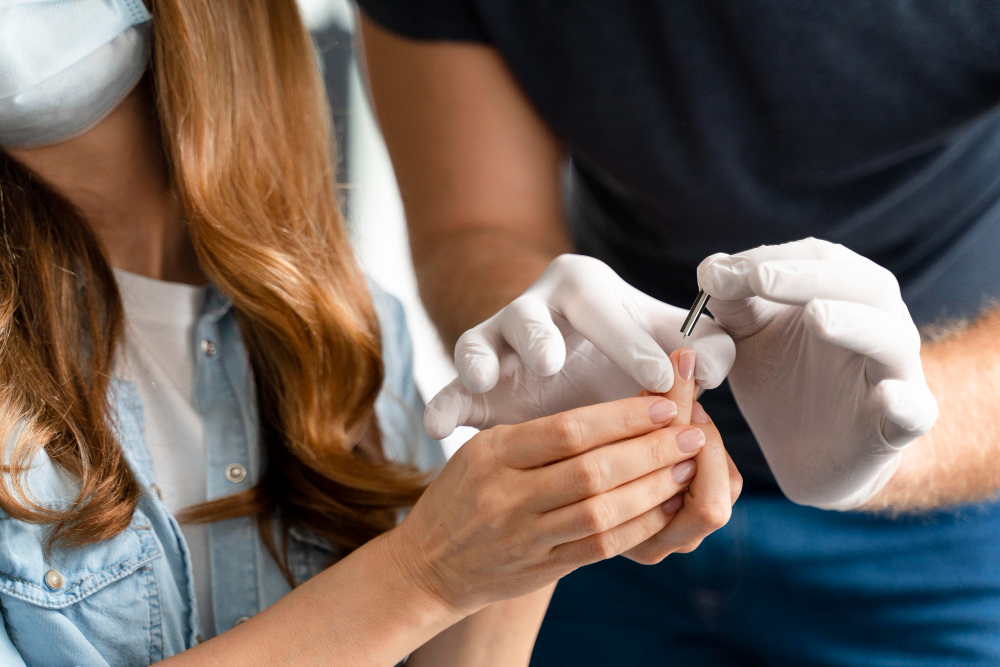
The moment a needle passes through skin to create a new piercing is the moment aftercare becomes your most critical responsibility. Unlike permanent tattoos or other body modifications, new piercings demand consistent, informed maintenance to prevent infection, promote healing, and avoid costly complications. Many people invest time and money in getting pierced, only to jeopardize their results through incomplete or incorrect cleaning routines. Understanding the science behind proper piercing aftercare separates those who heal beautifully from those who face prolonged swelling, infection, or permanent scarring.
Understanding the Piercing Wound: Why Aftercare Matters
A fresh piercing is, technically, an open wound. When a professional piercer uses a hollow needle to create an opening in tissue, they’re initiating a physiological healing process that typically spans three months to several years, depending on the location and type of piercing. The healing timeline varies significantly: earlobes may fully heal in six to eight weeks, while cartilage piercings often require six months to a year, and oral piercings heal in four to six weeks but remain sensitive far longer.
During the first few days after piercing, the body responds with inflammation as a natural defense mechanism. This inflammation appears as redness, swelling, and sometimes mild warmth around the piercing site. This is entirely normal and should subside within the first week, though some piercings remain slightly swollen for several weeks. The body begins forming what’s called epithelialization—the creation of a thin, delicate tissue lining inside the piercing channel that eventually becomes the permanent fistula, or piercing hole.
According to guidelines from the Association of Professional Piercers, this newly formed tissue is extraordinarily fragile. It can be damaged by excessive touching, improper cleaning, or unsuitable jewelry materials. When the protective lining is compromised, bacteria can enter more easily, and the healing process restarts. This explains why people who constantly fidget with their piercings or use harsh cleaning methods often experience extended healing times or complications.
The Foundation: Choosing the Right Cleaning Solution
The most effective cleaning solution for a new piercing is sterile saline—a mixture of salt and water in precise proportions. Saline works because it gently removes debris and dead skin cells without introducing harsh chemicals that can damage new tissue or disrupt the body’s natural healing processes. Professional piercers and dermatologists consistently recommend sterile saline as the gold standard for initial aftercare.
Sterile saline comes in several convenient forms. Pre-packaged saline wound washes, typically available at pharmacies, offer consistency and sterility. These products contain approximately 0.9% sodium chloride, matching the salt concentration of human blood plasma. This isotonic balance means the solution won’t draw fluid from cells or introduce irritation. Many piercers recommend products like NeilMed Saline Rinse or similar pharmaceutical-grade options that come in spray bottles for easy application.
For those who prefer a DIY approach, homemade saline can be prepared by dissolving one-quarter teaspoon of non-iodized sea salt in eight ounces of distilled water. The key word here is “non-iodized”—iodized salt contains additives that can irritate fresh piercings. Some people make batches in advance and store them in clean containers, though using fresh solution for each cleaning is preferable. This approach requires attention to detail and proper sterilization of containers, making commercial saline the safer choice for most people.
Substances to avoid are equally important. Alcohol-based products like hydrogen peroxide and antibacterial soaps strip away protective oils and damage the new epithelial layer. Soap, while essential for general hygiene, can leave residue that causes irritation if used directly on fresh piercings. Diluted vinegar, Betadine, tea tree oil, and other “natural” remedies that circulate in online forums may feel soothing but often delay healing or cause allergic reactions.
Daily Cleaning Protocols: The Twice-Daily Routine
Establishing a consistent cleaning routine during the critical first weeks is non-negotiable for successful healing. Most professionals recommend cleaning new piercings twice daily—once in the morning and once in the evening—for a minimum of three weeks, with many extending this period to six weeks or longer depending on the piercing location and individual healing speed.
The Morning and Evening Routine
Begin each cleaning session by thoroughly washing your hands with soap and water. This step might seem obvious, but unwashed hands are a major source of bacteria transfer to fresh piercings. Dry your hands completely with a clean paper towel or lint-free cloth, as any moisture left on fingers can introduce contamination.
Apply sterile saline solution to the piercing using either the spray bottle method or by soaking. For most body piercings, spray saline directly onto the piercing from about two to three inches away. The solution should cover both the front and back of the piercing, flushing away any crusty buildup or lymph discharge that may have accumulated. For piercings that benefit from soaking—such as oral piercings or those in hard-to-reach areas—create a saline bath by filling a cup with warm sterile saline and positioning the pierced area in the cup for five to ten minutes.
After applying saline, gently pat the area dry with a clean paper towel. This step is crucial because bacteria thrive in moist environments. Cloth towels, though soft, trap moisture and can harbor bacteria, making paper towels the superior choice. Never rub or agitate the area; gentle patting allows moisture to absorb without causing tissue trauma.
The entire cleaning process should take no more than five minutes. Excessive cleaning, while seemingly beneficial, actually impedes healing by disrupting the delicate tissue formation. Some piercers recommend limiting cleaning to once daily after the initial week, as the body’s natural healing processes often become sufficient once the acute inflammation phase passes. Listen to your piercing’s signals—if it appears increasingly swollen or inflamed despite twice-daily cleaning, reducing frequency might be beneficial.
Managing Crusty Buildup and Lymph Discharge
During the healing process, a crusty, whitish, or yellowish substance often accumulates around the piercing opening. This discharge is primarily lymph, a clear fluid produced by the body as part of the healing response. It’s normal and necessary for healing, but excessive buildup can trap bacteria and interfere with the epithelial tissue formation.
When confronted with stubborn crusts, resist the urge to pick or scrape them away manually. This damages new tissue and reintroduces the wound to an earlier healing stage. Instead, allow the crusty material to soften through saline soaking, then gently remove it using the rinsing action of the saline spray or a sterile saline soak. For particularly stubborn buildup, extending your soak time to ten to fifteen minutes allows the crusts to soften sufficiently for gentle removal during the saline rinse.
Some practitioners recommend moving jewelry slightly during cleaning to ensure saline reaches the interior of the piercing channel. Modern piercing professionals, however, increasingly advise against this practice. Moving jewelry during the earliest healing phase can damage delicate tissue and introduce bacteria into deeper layers of the channel. Instead, allow the jewelry to remain stationary while using saline spray or soaks to clean the external area and the immediate channel opening. After the first two to three weeks, when initial healing is more advanced, gentle rotation during saline soaks becomes acceptable if needed.
Jewelry Considerations: Material Matters
The material of your jewelry profoundly impacts healing success. Your piercer should have inserted jewelry made from materials specifically suitable for fresh piercings. According to Association of Professional Piercers standards, the best choices for initial jewelry include implant-grade titanium (specifically ASTM F136 or F67), solid 14-karat gold or higher, surgical steel containing adequate nickel-free composition, and niobium.
Titanium stands out as the superior choice for sensitive skin and new piercings. It’s hypoallergenic, biocompatible, and immune to the corrosion that can affect other metals. Unlike some gold plating or lower-grade “surgical steel,” titanium won’t leach metal ions that can irritate healing tissue. Implant-grade titanium has been used in medical orthopedic implants for decades, making its safety profile exceptionally well-documented.
Gold jewelry, provided it’s solid 14-karat or higher, also works excellently for new piercings. Lower karat gold or gold plating can flake or deteriorate, introducing foreign materials into the healing channel. Stainless steel is widely available and affordable, but quality varies significantly. Not all stainless steel is created equal; some formulations contain high nickel content, which causes allergic reactions in sensitive individuals. If stainless steel is your choice, verify with your piercer that it meets surgical or medical-grade standards.
Materials to absolutely avoid during the initial healing phase include acrylic, wood, bone, stone, and other porous materials. These materials can harbor bacteria and may deteriorate, introducing splinters or debris into the fresh wound. Glass, while non-porous, can crack and cause tissue damage. Cheap costume jewelry or online purchases often contain unknown materials and metal alloys that trigger inflammatory responses.
Preventing Common Complications: Infection and Irritation
Infection remains one of the most common aftercare failures, yet it’s highly preventable with proper technique. Signs of infection extend beyond the normal inflammation present in the first few days. Increasing pain, fever, pus discharge (distinct from normal lymph), spreading redness, or a warm sensation that worsens rather than improves within the first week suggests infection requiring medical attention. Healthline’s medical review board emphasizes that infections caught early respond well to antibiotic treatment, but delaying professional evaluation can lead to abscess formation or systemic complications.
Irritation dermatitis, distinct from infection, manifests as persistent redness, itching, or swelling that doesn’t improve after two weeks despite proper care. This typically results from jewelry material sensitivity, frequent touching, or suboptimal cleaning solutions. Switching to higher-quality jewelry or adjusting cleaning frequency often resolves irritation issues. Some individuals benefit from extending cleaning to three times daily during stubborn irritation phases, while others find reducing frequency to once daily helps. Individual response varies, and what works for one person’s ear may differ significantly from what’s optimal for another person’s navel.
Keloids and hypertrophic scarring represent different complications entirely. Keloids involve excessive collagen formation that extends beyond the original piercing site, while hypertrophic scars remain localized to the piercing area but appear as raised, sometimes darkened tissue. Genetics and ethnicity influence keloid susceptibility significantly; individuals with darker skin tones have higher keloid formation rates. While proper aftercare minimizes keloid risk, some people’s bodies are predisposed regardless of technique. If keloid or hypertrophic scar formation begins, consult a dermatologist for options ranging from silicone treatments to steroid injections. Mayo Clinic’s dermatology resources provide excellent information on scar management options.
Environmental Factors and Lifestyle Adjustments
Healing piercings exist within the context of daily life, and environmental exposure significantly impacts outcomes. Swimming in chlorinated pools, ocean water, or hot tubs should be avoided during the first two to three weeks. These environments introduce chlorine, saltwater bacteria, or thermal stress that overwhelm a healing piercing’s defenses. If water exposure is unavoidable, cover the piercing with a waterproof bandage and rinse immediately afterward with sterile saline.
Sleeping on fresh piercings can cause complications. Sleeping on an earring subjects the piercing to prolonged pressure, reduces blood flow to the area, and risks jewelry catching on bedding. Using a clean, soft pillowcase and avoiding sleeping on the pierced side for at least the first two weeks minimizes these risks. For piercings that can’t easily be protected during sleep, some piercers recommend temporary jewelry removal at night during the initial healing phase, though this should only be considered after consulting with your piercer about the specific piercing’s tolerance for jewelry removal.
Tight clothing directly over new piercings causes irritation through friction and pressure. Navel piercings should avoid tight waistbands; nip piercings need soft, friction-free clothing; and cartilage piercings benefit from hairstyles that prevent hair from repeatedly brushing the area. These environmental adjustments matter because they reduce the number of irritants your body must manage while channeling energy toward healing rather than defending against repeated trauma.
Excessive heat from hot showers, saunas, or direct sun exposure can increase inflammation during initial healing. While cleanliness is important, excessively hot water opens pores and can draw lymph discharge. Lukewarm water during showers, with the piercing rinsed briefly at the end, provides better balance. Some people intentionally apply ice packs (wrapped in clean cloth) for five to ten minutes several times daily during the first week to reduce inflammation, though this remains a personal choice rather than a universal requirement.
When to Seek Professional Guidance
Knowing when to consult a professional separates minor discomfort from serious complications. Contact your piercer or a healthcare provider if any of the following occur: increasing pain or swelling after the first three days, discharge that appears green, yellow, or brown (signs of bacterial infection), fever or systemic illness, jewelry that appears to be rejecting (tissue pushing it out), or formation of keloids or excessive scarring.
Professional piercers possess training in recognizing early complications and understand the nuanced differences between normal healing and problematic responses. Many piercing studios offer free follow-up consultations for aftercare questions or concerns. Dermatologists can evaluate complicated cases and provide medical-grade interventions when standard aftercare proves insufficient. Avoid self-treating with non-prescription antibiotic ointments, as these can trap bacteria and delay healing rather than prevent infection.
Comparison of Cleaning Methods and Solutions
| Method | Best For | Frequency | Considerations |
|---|---|---|---|
| Sterile Saline Spray | All piercings | 2x daily | Easy application, consistent concentration, ideal for most situations |
| Saline Soaks | Oral piercings, stubborn crusting | 5-15 min, 1-2x daily | Extended contact time softens buildup, excellent for gentle cleaning |
| Homemade Saline | Budget-conscious care | 2x daily | Requires precise mixing, proper storage, attention to non-iodized salt |
| Sterile Saline Compresses | Localized inflammation | 5-10 min, as needed | Gentle pressure helps reduce swelling, requires clean cloth or gauze |
| Warm Salt Soaks (Traditional) | Mature piercings | After initial 3 weeks | Only after basic healing established, enhances circulation |
Frequently Asked Questions About Piercing Aftercare
How long until I can stop cleaning my piercing?
The answer depends on the piercing type and individual healing. Most oral piercings heal sufficiently within four to six weeks that cleaning can transition from saline to simple rinsing with water after meals. Ear and body piercings typically require diligent saline cleaning for six to eight weeks, with many piercers recommending continued cleaning for several months until all signs of inflammation disappear. Once a piercing stops producing lymph discharge and appears completely healed externally, you can extend cleaning frequency to once daily or transition to regular showering alone. However, some piercings remain sensitive for years and benefit from occasional saline cleaning, particularly after jewelry changes or if irritation appears.
What if my piercing becomes infected?
Early-stage infections often respond to increased saline cleaning frequency—three to four times daily combined with shortened jewelry removal periods if your piercer permits. However, if redness spreads, pus develops, fever appears, or the piercing feels increasingly warm and painful, seek medical evaluation immediately. Antibiotics prescribed by a healthcare provider might be necessary, and occasionally infected piercings require temporary jewelry removal. Never attempt to self-treat serious infections, as they can develop into more serious systemic complications. CDC guidance on wound infections emphasizes that early professional intervention prevents serious outcomes.
Can I change my jewelry during the healing phase?
Changing jewelry before a piercing is fully healed risks allowing the channel to partially close, introduces new bacteria, and can damage delicate internal tissue. Professional piercers universally recommend leaving the original jewelry in place for the entire initial healing period—typically six to eight weeks for most piercings, longer for cartilage. After this point, you can change jewelry, though doing so carefully and avoiding overly complex jewelry designs remains wise during the first several months. If jewelry must be changed for medical or professional reasons, visit your piercer to minimize trauma and ensure proper jewelry reinsertion.
Is it normal to see crusts around my piercing?
Yes, crusty buildup is completely normal during the first several weeks. This consists primarily of lymph, a clear fluid the body produces as part of the healing response. It may appear white, yellow, or slightly tan once dried. The presence of crusts doesn’t indicate infection unless accompanied by increasing pain, redness, or other warning signs. Gentle saline soaking removes crusts without the damage caused by manual picking. If crusty buildup persists for months despite proper cleaning, discuss options with your piercer.
Why is my piercing still swollen after two weeks?
Swelling timelines vary based on piercing location and individual factors. Cartilage piercings, tongue piercings, and some body piercings commonly remain swollen for two to four weeks or longer. Factors including sleep position, jewelry fit, individual inflammatory response, and repeated trauma from touching extend swelling duration. If swelling is severe enough to make jewelry feel excessively tight or if it increases rather than decreases after the first week, consult your piercer to ensure jewelry sizing is appropriate and to rule out complications. Some piercers fit jewelry slightly larger initially to accommodate expected swelling, requiring downsizing once swelling subsides.
What cleaning mistakes cause the most problems?
Common mistakes include using soap or alcohol-based products, cleaning too frequently, handling the piercing with unwashed hands, sleeping on the piercing, using cotton balls or cloth that shed fibers, and attempting to remove crusts manually before they’re softened. Additionally, changing jewelry too early, submerging in non-sterile water, using harsh products marketed as “natural,” and neglecting cleaning altogether represent major pitfalls. The most successful healers balance consistency—cleaning regularly without missing sessions—with gentleness and avoidance of unnecessary manipulation.
Can I use tea tree oil or other natural remedies?
While tea tree oil and other plant-based remedies are popular in wellness circles, most professional piercers caution against applying them to fresh piercings. Tea tree oil, even when diluted, can irritate sensitive healing tissue and may trigger allergic reactions. The same applies to vinegar, honey, garlic, and other traditionally recommended substances. These treatments lack the scientific backing and standardized safety profile of sterile saline. If you prefer to explore complementary approaches, consult your piercer first—they understand your specific healing situation and can advise whether adding treatments might help or potentially complicate healing.
Do I need antibiotic ointment for my piercing?
Most professional piercers recommend against antibiotic ointments for fresh piercings. These ointments seal the area, trapping bacteria and moisture that the body normally flushes away through the natural lymph discharge process. The exceptions are cases where a healthcare provider specifically prescribes antibiotic ointment for an active infection—in those cases, follow the provider’s instructions precisely. For routine aftercare, saline alone provides the optimal environment for healing without introducing substances that might disrupt the process.
Advanced Aftercare: Beyond the Basic Two Weeks
After the initial two to three weeks when the most critical tissue formation occurs, aftercare can evolve. Many piercers recommend transitioning from twice-daily saline cleaning to once-daily cleaning, particularly for piercings that have established good healing progress. Some individuals benefit from continuing twice-daily care for an extended period, particularly if any signs of irritation persist.
Once the acute inflammation phase has passed—typically around the three-week mark—some piercers suggest warm salt soaks as an additional care method. Unlike the sterile saline used initially, these warm soaks promote circulation and can help mobilize any remaining inflammation. However, this should only begin after your piercer confirms that initial healing is progressing well. The warm soak involves dissolving approximately one-quarter teaspoon of non-iodized sea salt in eight ounces of warm (not hot) sterile water, then soaking the piercing for five to ten minutes. This differs from initial saline spray in temperature and frequency—warm soaks feel soothing and encourage healing circulation during the second phase of recovery.
Jewelry changes can begin once your piercer confirms the piercing has sufficiently healed—usually after six to eight weeks for most body piercings, though longer for some cartilage piercings. When changing jewelry, maintain the same material standards used for initial jewelry. Even after healing, lower-quality materials can cause irritation. Some people experience mild irritation after changing jewelry regardless of quality; brief returns to more frequent saline cleaning typically resolve this quickly.
The Role of Professional Piercers in Aftercare Success
Professional piercers from reputable studios play a crucial role in aftercare success that extends beyond the initial piercing. A quality piercer provides detailed written aftercare instructions, discusses individual healing factors, and remains available for follow-up questions. They can assess healing progress, identify complications early, and adjust recommendations based on your specific response.
Association of Professional Piercers members follow strict protocols for initial jewelry selection, insertion technique, and aftercare education, significantly improving healing outcomes compared to non-professional piercing. Piercers understand that individual factors—including age, skin condition, immune function, and anatomical variation—influence healing timelines. They can identify whether apparent complications result from suboptimal aftercare technique or represent true medical concerns requiring professional intervention.
Establishing a relationship with your piercer allows for ongoing support throughout the complete healing process, which extends beyond initial wound healing. They can recommend solutions if irritation appears months after piercing, advise on jewelry changes, and help troubleshoot any complications that develop. This ongoing professional relationship often prevents minor issues from becoming serious problems.
Individual Variation in Healing: Why One-Size-Fits-All Advice Fails
While general aftercare principles apply universally, individual healing responses vary dramatically. Some people’s piercings require minimal intervention and heal within six weeks, while others with identical piercing types experience extended healing or unexpected complications. Age, genetic predisposition, nutritional status, immune function, hormonal balance, and stress levels all influence healing outcomes.
Younger individuals often heal quickly, while older adults may experience extended swelling or slower epithelial tissue formation. Nutritional deficiencies, particularly in protein, vitamin C, or zinc, can impair healing even with perfect aftercare technique. Hormonal fluctuations related to menstrual cycles can temporarily increase inflammation or swelling. Chronic stress elevates cortisol levels, potentially suppressing immune function and delaying healing. Individuals with compromised immune systems due to illness or medical treatment may require modified aftercare protocols discussed with healthcare providers.
Anatomical variation also matters. Piercing placement relative to nerve endings, blood vessels, and tissue density influences healing speed and irritation susceptibility. Someone’s ear cartilage structure differs from another person’s, affecting jewelry fit and healing comfort. A piercer’s assessment of your individual anatomy and any concerns guides appropriate recommendations. This is why listening to your body and communicating changes or concerns with your piercer matters more than rigidly following generic instructions.
Conclusion: Building a Sustainable Aftercare Practice
The weeks following a new piercing represent a pivotal period where consistent, informed care directly determines outcomes. Successful healing requires understanding the physiological processes occurring within the wound, committing to a reliable cleaning routine using appropriate solutions, making lifestyle adjustments that protect the piercing, and maintaining open communication with your piercer about any concerns or complications.
The foundation remains simple: clean twice daily with sterile saline, keep hands away from the piercing except during cleaning, avoid unnecessary manipulation, prevent trauma from sleeping or clothing, maintain clean living habits, and monitor for warning signs of infection or irritation. These fundamentals, consistently applied, result in beautiful, healthy piercings that bring years of enjoyment.