
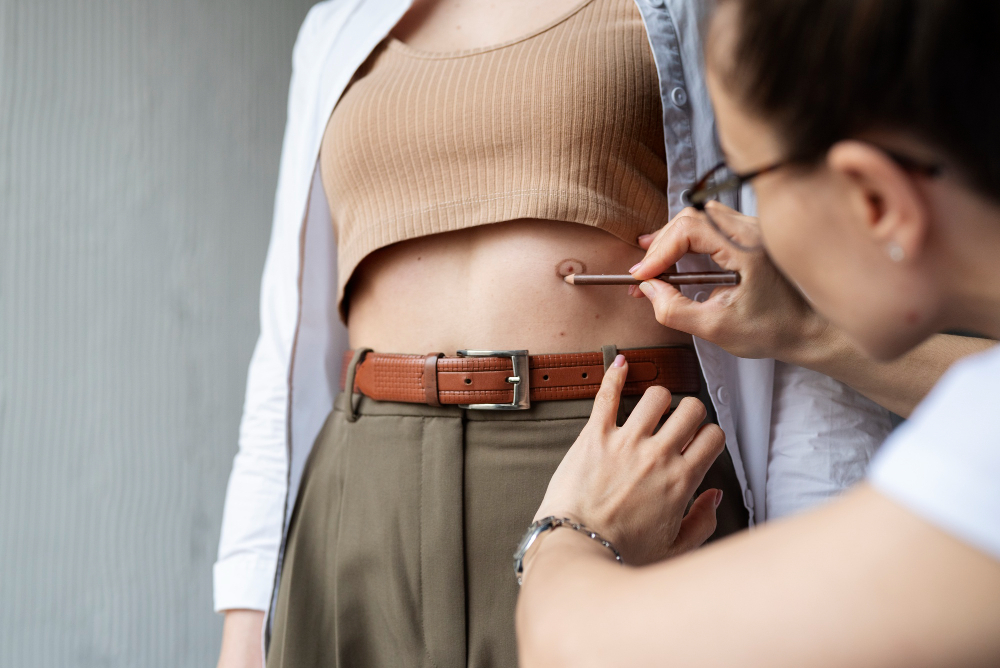
When you’re considering getting a belly button piercing, one of the first questions that comes to mind is: how long until it’s fully healed? The answer isn’t quite as straightforward as you might hope, but understanding the healing timeline and what influences it can help you make informed decisions and care for your piercing properly.
Understanding Belly Button Piercing Healing Timelines
A belly button piercing typically takes between 6 to 12 months to fully heal, though some sources indicate it can take even longer in certain cases. This extended healing period is quite different from other popular piercings, making it important to understand what “healed” actually means in this context.
The healing timeline breaks down into distinct phases. The initial phase, lasting roughly 2 to 3 weeks, involves the most dramatic healing activity. During this time, your body is actively fighting off what it perceives as a wound—because technically, that’s exactly what a piercing is. The second phase, extending from about 3 weeks to 3 months, involves the formation of the fistula (the channel through which the jewelry sits). The final phase, which can last from 3 months to a full year or beyond, involves the continued strengthening and maturation of this tissue tunnel.
According to the Association of Professional Piercers, belly button piercings fall into the category of surface piercings, which naturally require longer healing periods compared to simpler ear piercings. This is because the anatomy involved is more complex, with multiple tissue layers and a greater risk of complications if the piercing isn’t cared for properly.
Why Does the Belly Button Take So Long to Heal?
The belly button presents unique healing challenges compared to other body parts. Unlike an earlobe piercing, which goes through relatively uniform tissue, a belly button piercing typically goes through the navel fold—the curved tissue on the top rim of your belly button. This area is constantly moving, stretching, and folding as you go through daily activities.
Movement is one of the primary factors that extends healing time. Every time you bend, twist, exercise, or even laugh, the skin around your piercing moves. This constant motion can irritate the fresh wound and slow down the healing process. The jewelry itself experiences significant stress and movement, which means the fistula needs to be particularly strong and well-established before it can be considered truly healed.
Another factor is the location’s natural moisture. The belly button, particularly the inside, tends to be warm and can accumulate sweat and bacteria. Creating an environment where a fresh wound can become infected or irritated is all too easy. The curved nature of the navel fold also means that different angles and depths of pressure can affect healing depending on your body’s unique anatomy.
Additionally, the belly button piercing goes through primarily cartilage and connective tissue rather than just skin and fat. These tissues have slower blood flow compared to soft tissue areas like earlobes, which can slow down the body’s natural healing response. Better blood flow means faster nutrient delivery to the wound, so areas with reduced circulation naturally take longer to heal.
The Three Distinct Stages of Healing
Understanding the progression of healing can help you recognize whether your piercing is on track or experiencing problems.
Initial Inflammatory Stage (Week 1-3)
During the first few weeks, you’ll notice redness, swelling, and possibly some discharge. This is your body’s normal inflammatory response. The piercing site will likely be tender to the touch, and you might see a yellowish or clear discharge, which is normal—this is lymph, not necessarily an infection. However, green or brown discharge with a foul smell indicates a potential infection requiring medical attention.
During this stage, avoid playing with your jewelry or trying to rotate it, despite what you might have heard. This outdated advice can actually introduce bacteria and damage the delicate healing tissue. Instead, keep the area clean with saline solution and let the body do its work.
Formation Stage (Week 3-12)
Between 3 weeks and 3 months, the fistula—the actual piercing tunnel—begins to form and strengthen. The external swelling typically reduces during this time, and the area becomes less tender. Many people mistakenly think their piercing is healed at around the 4 to 6-week mark when swelling has reduced significantly, but this is the interior of the piercing that’s still very much in formation.
This stage is deceptively dangerous because the piercing might feel healed on the outside while remaining fragile internally. Removing jewelry during this phase can cause the surface to seal over while the interior remains unhealed, potentially trapping bacteria and leading to cysts or abscesses.
Maturation Stage (Month 3-12+)
From about 3 months onwards, the fistula continues to strengthen and mature. The tissue becomes more resilient and capable of handling the presence of foreign material. However, the piercing doesn’t truly stabilize until somewhere between 6 months and a year, depending on individual factors.
During this stage, you might continue to notice occasional discharge or minor irritation, particularly if your clothing rubs against the jewelry. This is still normal and doesn’t mean you’re back to square one.
Factors That Influence Your Healing Timeline
Several variables can either accelerate or extend your belly button piercing’s healing process.
Age and Overall Health
Younger people tend to heal faster due to more efficient immune responses and higher metabolic rates. However, teenagers and young adults should be particularly careful with aftercare since faster healing can sometimes lead to overconfidence and neglect. Age alone doesn’t determine healing speed; overall health factors matter significantly.
Chronic health conditions can slow healing. People with diabetes, autoimmune disorders, or compromised immune systems should consult with their healthcare provider before getting pierced and discuss expected healing times. Nutritional status also plays a role—adequate protein, vitamin C, and zinc are essential for proper wound healing.
Genetics and Individual Biology
Some people are simply blessed with faster healing abilities, while others naturally heal more slowly. This often runs in families and reflects differences in immune response and collagen production. Unfortunately, you can’t predict this factor before getting pierced, but it’s worth considering if you know you tend to heal slowly from other wounds or injuries.
Skin type and sensitivity also matter. People with sensitive skin or conditions like keloid formation tendency may experience longer or more complicated healing.
Piercing Placement and Technique
The specific location within the belly button area affects healing. Piercings through the top fold typically heal faster than those through other areas. The skill of the piercer matters enormously—an experienced piercer from a reputable shop like those certified by the Association of Professional Piercers will create a properly angled and positioned piercing that’s more likely to heal smoothly.
The gauge (thickness) of the jewelry also influences healing. Thicker gauges (smaller numbers) have less surface area and can sometimes heal more easily than very thin gauges.
Jewelry Material and Quality
Using high-quality, appropriate jewelry is crucial. Surgical steel, titanium, niobium, and solid gold are excellent choices. Avoid cheap plated jewelry or materials like acrylic and glass during healing. Allergic reactions to jewelry materials can significantly delay healing and cause unnecessary complications.
The shape of the jewelry also matters. Curved barbells are typically better for belly button piercings than straight bars because they conform to the body’s contours and experience less movement and stress.
Aftercare Consistency
How well you follow aftercare instructions directly impacts healing time. A consistent saline rinse routine using proper sterile saline solution (not homemade salt water or sea salt soaks) can speed up healing and prevent complications. People who are meticulous with aftercare often heal faster and with fewer problems.
Physical Activity and Lifestyle
High-impact exercise, particularly activities that engage your core, can irritate a healing belly button piercing. Activities like CrossFit, gymnastics, heavy weightlifting, and intense abdominal workouts should be reduced or modified during the initial healing phase. Swimming in chlorinated pools or natural bodies of water should also be avoided during early healing due to contamination risks.
Tight clothing that rubs against the piercing is another common irritant. Loose-fitting clothing, particularly over the belly area, can dramatically improve comfort and healing during the first few months.
Proper Aftercare for Optimal Healing
The actions you take after your piercing are placed determine much of how smoothly it heals.
Saline Rinses
Rinse your piercing with sterile saline solution twice daily. Pre-made saline solutions designed for piercings are ideal—look for products specifically labeled for piercing aftercare rather than generic saline intended for other medical uses. Soak a clean paper towel with saline and hold it gently against the piercing for a few minutes, allowing the solution to clean the area.
The best approach is to gently squirt saline into the piercing from both the front and back (if accessible), then allow it to drain naturally. Never manually rotate the jewelry or scrub the area, as this damages the healing tissue and introduces bacteria.
What Not to Do
Avoid submerging your piercing in water—no swimming, hot tubs, bathing, or long showers. If you must shower, wash the area gently with saline afterwards. Don’t touch the piercing with unwashed hands, and avoid kissing, biting, or letting anyone else touch it.
Don’t use alcohol, hydrogen peroxide, antibiotic ointment, or Betadine on your piercing. These substances are too harsh and can actually interfere with proper healing. Stick with saline exclusively.
Some people are tempted to remove the jewelry to “let it breathe.” This is counterproductive—the fistula needs the jewelry as a guide and structure. Removing it often causes the opening to seal prematurely while the interior remains unhealed.
Managing Pain and Swelling
Mild swelling and tenderness are normal and typically peak around 24 to 48 hours after the piercing. Applying a clean, cold compress for 15 minutes several times during the first few days can help manage swelling.
If you need pain relief, over-the-counter anti-inflammatories like ibuprofen are acceptable, but use them judiciously. While they can help with discomfort, prolonged use can actually slow healing by suppressing the immune response.
Common Complications and When They Occur
Understanding potential complications helps you distinguish normal healing from problems requiring professional attention.
Infections
An infected piercing shows signs beyond normal healing: pus (not clear or yellowish discharge), significant heat around the area, increasing redness, and possible fever or body aches. True infections require medical attention and sometimes antibiotics. Don’t attempt to treat a serious infection with just saline rinses.
However, distinguish between infection and irritation. Irritated piercings often show redness and slight discharge but don’t have systemic symptoms and usually respond well to adjusted aftercare.
Keloids and Hypertrophic Scarring
These benign overgrowths of scar tissue occur when the body overproduces collagen during healing. They appear as bumps around the piercing that seem to grow over time. While not dangerous, they’re persistent and difficult to treat. Keloid-prone individuals should be aware that belly button piercings carry moderate risk.
Migration and Rejection
Over time, some piercings gradually move toward the surface as the body attempts to expel the foreign object. This is more common in surface piercings like navel piercings. It’s a slow process—sometimes taking years—but once it starts, it’s usually irreversible.
Crusties
The yellowish or whitish crusty buildup around the jewelry is lymph and dead skin cells—completely normal. Gently rinsing with saline helps remove these, but picking at them can cause bleeding and delay healing.
Recognizing True Healing
How do you know when your piercing has truly healed? The answer is more nuanced than you might expect.
A piercing is considered “externally healed” when swelling has significantly reduced, discharge has stopped, and the area is no longer tender to touch. For belly button piercings, this often happens around 6 to 8 weeks. However, external healing doesn’t equal complete healing.
True healing occurs when the fistula has fully matured and stabilized, typically between 6 and 12 months. At this point, the tissue has formed a strong, stable channel that won’t easily seal up if you remove the jewelry. Even then, many piercers recommend keeping jewelry in place for much longer to prevent complications.
The safest approach is to leave jewelry in continuously for at least 6 months, and preferably closer to a year, before attempting to take it out for extended periods. Some people find their piercings feel most stable after 18 months to 2 years.
Comparing Belly Button to Other Body Piercings
| Piercing Type | Typical Healing Time | Complexity | Infection Risk | Movement Impact |
|---|---|---|---|---|
| Earlobe | 4-8 weeks | Low | Low | Minimal |
| Belly Button | 6-12 months | High | Moderate-High | High |
| Septum (nose) | 6-8 weeks | Low | Low | Low |
| Tongue | 2-4 weeks | Low | Moderate | High |
| Eyebrow | 6-8 weeks | Moderate | Moderate | High |
| Genital | 4-12 weeks | High | High | Moderate |
| Industrial | 3-6 months | Moderate | Moderate | High |
This comparison illustrates why belly button piercings require patience. The combination of anatomical complexity, constant movement, and higher contamination risk makes them one of the slower-healing popular piercings.
What to Expect Month by Month
Month 1
The most dramatic period. Expect swelling, tenderness, and discharge. The jewelry might feel very snug as swelling increases over the first few days. Avoid tight clothing and strenuous activity. Stick to your saline rinse routine religiously.
Months 2-3
Swelling begins to decrease noticeably. The area becomes less tender, and you might be tempted to play with the jewelry or remove it to see how it looks. Resist this urge. The exterior improvements don’t reflect what’s happening internally.
Months 4-6
The piercing looks and feels almost fully healed from the outside. Some people experience sudden irritation during this phase for no apparent reason—this is normal and usually resolves with continued saline care. Don’t change jewelry during this window.
Months 7-12
Continued maturation of the fistula. You might experience occasional minor irritation, but the piercing is becoming increasingly stable. Around month 6, you can begin to cautiously consider changing jewelry, though many experts still recommend waiting until month 12.
Beyond Month 12
The piercing should feel stable and predictable. It can now handle jewelry changes without excessive irritation, though abrupt transitions to poor-quality jewelry might still cause problems.
Tips for a Smoother Healing Experience
Start with a professional piercer. Choosing a reputable piercer certified by recognized organizations significantly improves outcomes. Finding a professional piercer might take effort, but it’s worth it.
Choose appropriate jewelry from the start. Quality titanium or solid gold curved barbells are ideal. The gauge should typically be 14 or 16 for belly button piercings.
Adjust your lifestyle temporarily. Recognize that the first few months require modifications. Plan your piercing for a time when you can reduce intense exercise and wear loose clothing without difficulty.
Keep a consistent routine. Set specific times for saline rinses—morning and night, for example—so it becomes habit rather than something you might forget.
Be patient with variations. Healing isn’t perfectly linear. You might have days where it feels irritated even after months of smooth progress. This is normal and doesn’t mean you’ve failed or that it’s infected.
Stay informed, but don’t over-research. Reading too many online forums can cause anxiety about perfectly normal variations in healing. Trust your piercer’s guidance if you have concerns.
Manage expectations about changing jewelry. While some people successfully change jewelry at 6 weeks, most piercers recommend waiting much longer. If you absolutely must change it earlier, have your piercer do it professionally.
When to Seek Professional Help
Certain situations warrant a call to your piercer or doctor:
Increasing redness, heat, or swelling after initial healing should be evaluated. Pus-like discharge with a foul smell indicates infection. Bumps that grow or become painful might be keloids or other complications. Unusual pain that doesn’t respond to anti-inflammatories or saline rinses deserves professional assessment. Any systemic symptoms like fever, body aches, or swollen lymph nodes suggest an infection requiring medical attention.
Your piercer can often identify minor issues before they become serious problems, so don’t hesitate to contact them if something seems off. They’ve seen countless piercings heal and can reassure you if you’re experiencing normal variation or alert you to genuine concerns.
Frequently Asked Questions
Can I go swimming while my belly button piercing is healing?
No, not during the first several months. Swimming exposes the fresh wound to chlorinated or saltwater containing numerous bacteria and pathogens. Even saltwater swimming in the ocean isn’t a substitute for proper saline aftercare—it’s actual ocean water with uncontrolled bacteria levels. Wait until the piercing is fully healed before swimming.
Why is my piercing still oozing clear fluid after two months?
This is typically lymph, which is a normal part of healing. The body produces lymph fluid to protect the wound. As long as it’s clear to slightly yellowish and there’s no fever or increasing redness, it’s not a sign of infection. Continue saline rinses and patience.
Can I exercise while healing a belly button piercing?
Light, low-impact activity is fine, but intense core work should be avoided or minimized. High-impact activities that jolt or agitate your torso irritate the piercing. Walking, gentle yoga, and light stretching are okay, but skip CrossFit, heavy lifting, and high-intensity interval training until you’re several months into healing.
My belly button piercing is red and swollen—is it infected?
Not necessarily. Redness and swelling are completely normal, particularly during the first few weeks. Swelling typically peaks around 24-48 hours after piercing. It’s infected if you also have pus, significant heat, fever, or increasingly worsening symptoms despite proper care. If you’re uncertain, have a professional evaluate it.
Should I flip my belly button ring?
The old advice to “flip your jewelry” to promote healing has been outdated by professional piercers for years. Rotating or manipulating the jewelry introduces bacteria, damages healing tissue, and actually slows healing. Leave it alone except during saline rinses.
When can I safely change my belly button jewelry?
While some people change jewelry as early as 6 weeks, most professionals recommend waiting at least 3-4 months, with 6-8 months being safer. True healing takes a year or more, so earlier changes carry higher risks of irritation and infection. If you must change it early, have your piercer do it professionally.
What if my piercing closes up?
If you remove jewelry during the healing phase (before 6+ months), the opening can seal surprisingly quickly—sometimes within hours. The external opening might close while the interior track remains unhealed, potentially trapping bacteria. This is why consistent jewelry is so important during healing.
Why does my piercing hurt months after getting it?
Occasional discomfort months into healing is usually from irritation rather than infection—improper jewelry material, tight clothing, or accidental catching of the jewelry on something. If pain is persistent and associated with other symptoms, get it evaluated. Otherwise, return to strict saline care and irritation-avoidance measures.
Can I use saline nose spray for aftercare?
It’s not ideal. Saline specifically formulated for piercings typically has the correct concentration and sterility standards. Nose spray might contain additives not suitable for piercing wounds. It’s better to invest in proper piercing-specific saline, which is inexpensive and readily available from pharmacies or piercing studios.
Embracing the Healing Journey
A belly button piercing represents a commitment to patience and proper care. Unlike piercings that heal in weeks, the navel piercing demands months of attention and adjustment. But for those who successfully navigate the healing process, it becomes a personal accomplishment—a testament to discipline and body autonomy.
Understanding the realistic timeline helps set proper expectations. The initial excitement of getting pierced will fade into the mundane reality of saline rinses and wardrobe adjustments, but this period is crucial. The difference between someone whose piercing heals beautifully without complications and someone who develops issues often comes down to how seriously they took those first six months.
The key is consistency. Not perfection—people don’t heal perfectly, and nobody follows their aftercare instructions flawlessly. But consistent effort, realistic expectations, and professional guidance (from your piercer, and medical professionals if needed) create an environment where your body can do what it does naturally: heal itself.
By the time your belly button piercing reaches true stability at around the one-year mark, the investment in careful aftercare becomes a distant memory. You’ll have a piercing you’ll enjoy for years to come, one that you know was done right because you were willing to be patient while it healed. That’s well worth the wait.