
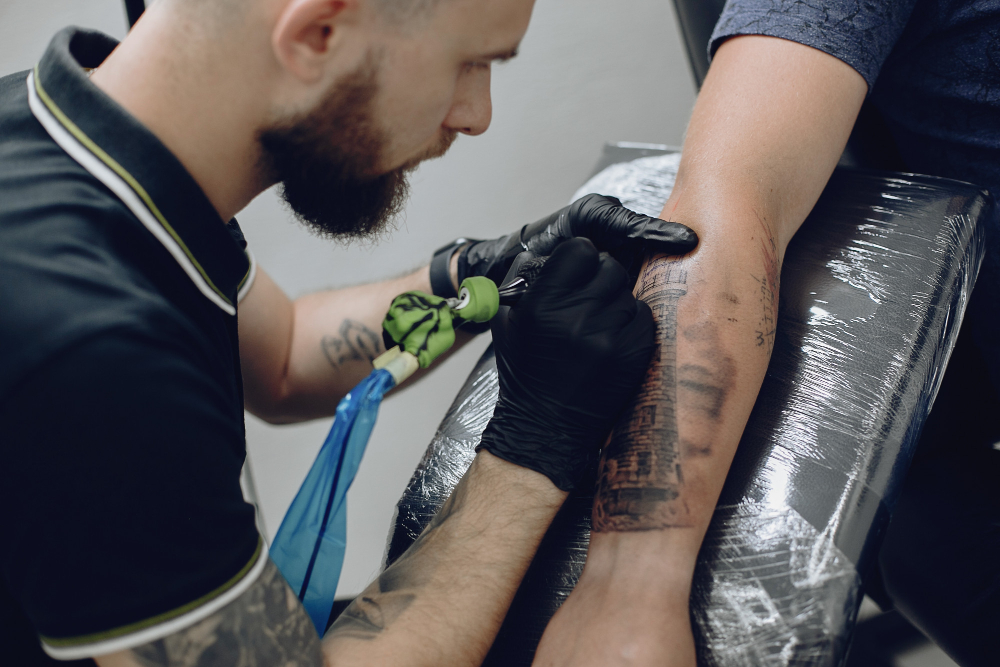
When someone gets a tattoo, they’re not just making a decision about art placement on their body—they’re committing to a healing process that requires careful attention and dedication. The weeks following a tattoo session determine whether the artwork will maintain its vibrancy, clarity, and integrity over time. Many people underestimate how critical the aftercare phase is, treating it as a secondary concern after the excitement of getting inked fades. However, proper tattoo aftercare is the difference between a beautiful, lasting piece of art and one that becomes faded, blotchy, or damaged within a few years.
Understanding what happens to your skin after a professional tattooing session is the first step toward ensuring successful healing. When a tattoo needle penetrates the epidermis and deposits ink into the dermis layer, it creates thousands of tiny wounds. Your body’s natural response is to initiate an inflammatory process designed to protect these wounds and begin the healing cycle. This is why proper care during the first two weeks—and even extending into the first month—is absolutely essential for the quality of your final tattoo.
The Science Behind Tattoo Healing
Tattoo healing occurs through several interconnected biological processes that unfold over weeks and months. The first few days after getting a tattoo involve what dermatologists call the inflammatory phase. During this time, your immune system activates to address the perceived injury, which is completely normal. Blood plasma seeps from the damaged capillaries, creating that characteristic weeping and scabbing that happens in the first week.
According to the American Academy of Dermatology, a tattoo essentially creates a controlled wound that your skin must repair while simultaneously accepting the ink particles as a permanent fixture. The ink itself sits in the dermis, the layer beneath your epidermis, which is why tattoos are permanent—the dermal cells have a much longer lifespan than epidermal cells and don’t naturally shed. Understanding this biological reality underscores why every step of aftercare matters so significantly.
The typical healing timeline follows a predictable pattern. The inflammatory phase lasts approximately one to two weeks, during which plasma and lymph will be expelled from the tattooed area. This is followed by the epithelialization phase, where new skin cells grow over the tattooed area, and finally the remodeling phase, which can continue for several months as collagen reorganizes and the tattoo fully settles into your skin.
Days 1-3: The Critical Initial Phase
The first three days are when your tattoo is most vulnerable and demands the most vigilant care. Immediately after the tattooing session, your skin has sustained significant trauma. The area will be inflamed, likely quite red, and you may notice swelling that extends beyond the actual tattoo boundaries. This is completely normal and part of your body’s protective response.
Within the first few hours after your tattoo session, your artist will have applied an initial bandage or covering. According to guidelines from the Professional Tattooers Association, this covering should remain on for a specific timeframe—typically between one to four hours, depending on your artist’s preference and the size of the tattoo. Some artists use plastic wrap, others use specialized adhesive bandages. Follow your specific artist’s instructions, as they understand their technique and your individual skin response.
After removing this initial bandage, the first thing to do is gently wash the area. Use lukewarm water and a fragrance-free, antibacterial soap. Your hands must be clean before touching your tattoo—this cannot be overstated. Wash the tattoo gently with your fingertips, not a cloth, as cloths can irritate the fresh wounds. Pat dry with a clean paper towel or a disposable cloth; reusable towels can harbor bacteria that might cause infection.
Once the area is clean and dry, apply a thin layer of an appropriate aftercare ointment. Many artists recommend products like Aquaphor or Tattoo Goo, which provide moisture without clogging pores. Some recommend unscented lotions. A common mistake is applying too much ointment—you need just enough to provide a protective barrier, not enough to create an occlusive seal that traps bacteria. Think of a light coating rather than a thick layer.
During these first three days, you’ll notice plasma leaking from your tattoo. This fluid is clear to yellowish and will crust over your skin. Resist the urge to pick at these crusts—they’re nature’s bandage protecting the underlying healing tissue. When you wash your tattoo, let the warm water soften the crust naturally, and it will rinse away on its own.
Sleeping during the first few nights requires some consideration. If possible, try to sleep in a position that doesn’t put direct pressure on your new tattoo. If that’s impossible, consider placing a clean towel or cloth over your pillow to prevent the tattoo from sticking to your pillowcase. Tattoo ink on fabric stains permanently, so protecting your bedding is practical even beyond the hygiene considerations.
Days 4-7: Transition and Scab Formation
By day four, your tattoo enters a phase where initial swelling typically begins to decrease, though the area may still be tender. The visible plasma has usually stopped leaking excessively, but this is when proper scab formation becomes evident. The crusting that began immediately after tattooing becomes more pronounced as your body forms protective scabs over the wound.
During this week, continue the cleansing routine twice daily: morning and night. The washing process remains the same—gentle cleansing with fragrance-free soap and lukewarm water, followed by careful patting dry. Apply your chosen aftercare product again, but maintain the principle of less-is-more with application amounts.
Itching typically becomes noticeable around days 4-7. This is actually a sign that healing is progressing normally—your skin is regenerating. However, scratching is absolutely forbidden. This is easier said than done, but breaking the scabs through scratching can introduce bacteria, cause infection, create permanent scarring over the tattoo, or pull ink out of the area, resulting in patchy, faded spots in your final design.
To manage itching without scratching, apply a fragrance-free lotion (unscented lotion is preferable to ointment at this stage, as it provides moisture without the heavy occlusive effect). A gentle slap to the area rather than scratching can sometimes relieve the sensation. Some people find that keeping the tattoo lightly moisturized reduces itching more effectively than allowing it to dry out completely.
During this week, be mindful of fabric contact. Tight clothing directly over the tattoo can irritate it. If your tattoo is in an area where your clothes naturally fit snugly, consider wearing looser clothing until the first week is complete. The friction from tight fabric against healing skin can aggravate inflammation and contribute to scab disruption.
Bathing during days 4-7 requires the same precautions as the first few days. Showers are preferred over baths, as soaking in bathwater can overly soften the scabs and increase the risk of waterborne bacteria entering the area. Keep showers brief and avoid letting very hot water cascade over the tattoo for extended periods. Your tattoo will absorb water more readily during healing, which can cause excessive softening of protective scabs.
Days 8-14: Visible Progress and Proper Moisture Balance
By the second week, most tattoos show visible signs of progression toward full healing. Some of the initial scabs may have naturally shed, revealing healed skin underneath. However, the tattoo is far from fully healed at this point. The outer layer has sealed over, but the deeper layers where the ink resides are still undergoing significant remodeling.
Continue cleansing twice daily with the same gentle routine. At this stage, you can transition more fully to fragrance-free lotion as your primary aftercare product, moving away from the heavier ointments. The key distinction is that your tattoo no longer needs the occlusive protection of ointment but benefits from the hydrating properties of lotion to prevent excessive drying and reduce itching.
Some scabs may still be present, and new ones might form as deeper layers of skin shed. Again, the critical rule is to never pick, scratch, or intentionally remove scabs. Premature scab removal will pull ink from the tattooed area and create permanent light spots. If a scab bothers you or feels loose, you can very gently allow it to shed naturally during your regular washing without forcing it.
By the end of the second week, you might be tempted to declare your tattoo fully healed. Resist this assumption. While the surface appears closed and scabs may be mostly gone, the deeper healing process continues for weeks. Your skin is still actively regenerating, and the ink particles are still being integrated into your dermis.
Physical activity limitations should still apply. Avoid strenuous exercise and heavy sweating during this period, particularly exercise that creates friction against the tattooed area. Sweat introduces salt and bacteria to the healing skin, and friction can disrupt the protective barrier.
Water exposure should still be limited to showers rather than baths or swimming. The chlorine in swimming pools and hot tubs, along with salt water in ocean environments, can interfere with healing and introduce contaminants to the still-vulnerable area.
Weeks 3-4: Fine-Tuning and Long-Term Healing
The third and fourth weeks mark a transition point where your tattoo appears largely healed to the naked eye, but cellular repair continues beneath the surface. Most visible scabbing has resolved, and the skin looks relatively normal except perhaps for slight redness or pinkness in the tattooed area. This apparent healing should not lull you into complacency.
Cleansing routine can remain consistent with what you’ve been doing, though the rigor of twice-daily intense attention can begin to ease. Daily gentle washing with mild soap and a light moisturizer with fragrance-free lotion is appropriate during this phase.
By the end of the fourth week, you can gradually reintroduce more normal activities. Swimming in chlorinated pools or ocean water can typically resume, though some artists recommend waiting a full six weeks to be completely safe. Intense workouts and sports are generally safe to return to at four weeks, though avoid direct contact sports or activities where the tattoo might be rubbed or bumped repeatedly.
Sun exposure requires ongoing attention. During the first month, direct sun exposure to your new tattoo should be minimized. UV rays can damage the healing tissue and cause the ink colors to fade more rapidly. Even after the initial healing phase, tattoos benefit from ongoing sun protection through clothing or sunscreen with SPF 30 or higher, particularly in the first year.
Understanding Common Aftercare Products
The tattoo aftercare market offers numerous products, each claiming to be the ideal choice for healing. Understanding what different products do can help you make informed decisions about what works best for your skin.
Aquaphor Advanced Therapy Ointment is arguably the most recommended product by professional tattoo artists. It’s unscented, designed specifically to protect skin without clogging pores excessively, and has been used in wound care for decades. It’s inexpensive and widely available. The main drawback is that it’s quite heavy, making it best suited for the first few days of healing when your tattoo needs occlusive protection.
Fragrance-free lotions, such as CeraVe Moisturizing Lotion or Cetaphil Daily Facial Moisturizer, transition well as your tattoo heals beyond the first week. These provide hydration without the heavy occlusive effect of ointments. The lack of fragrance is crucial—fragrances contain chemicals that can irritate healing skin and potentially cause allergic reactions.
Specialized tattoo aftercare products like Tattoo Goo or Ink Armor are formulated specifically for tattoo healing. These products combine petroleum-based elements with other ingredients designed to reduce plasma leakage and promote healing. Some artists swear by them, while others note that their premium pricing doesn’t always translate to better results than basic Aquaphor. The decision often comes down to personal preference and how your individual skin responds.
Avoid products containing alcohol, fragrance, dyes, or heavy moisturizers that contain silicones. These can interfere with proper healing. Hand sanitizer should never touch your tattoo, as the alcohol damages healing tissue. Similarly, bacitracin ointments and Neosporin have fallen out of favor in professional tattoo circles because they can cause allergic reactions in some people and may promote excessive moisture that interferes with healing.
What to Avoid During the Healing Process
Understanding what not to do is equally important as knowing what to do. A comprehensive understanding of aftercare means recognizing which common practices actually hinder healing.
Picking and scratching, as mentioned previously, tops the list of things to avoid. Even minor scratching that seems insignificant can have visible consequences. The impulse to do this is powerful during the itching phase, but every instance of disruption can create a permanent mark in your tattoo design.
Soaking in water should be avoided. Baths, hot tubs, swimming pools, and ocean water all present risks during the first two to four weeks. Prolonged water exposure softens scabs and can allow waterborne bacteria to enter the healing wound. Ocean water introduces salt and marine bacteria, while chlorinated water introduces harsh chemicals. These risks persist even after the surface appears healed because the deeper layers haven’t fully sealed.
Direct sun exposure can damage healing skin and cause premature fading of tattoo ink. This risk extends beyond the initial healing phase—new tattoos benefit from sun protection for at least the first year, as UV rays fade ink faster during the period when it’s being integrated into the skin. Some ink colors, particularly yellows and light colors, are especially vulnerable to UV fading.
Applying makeup over a healing tattoo is not advisable. Makeup can trap bacteria against the healing skin and interfere with the skin’s natural ability to breathe and shed dead cells. Similarly, any topical products not specifically recommended for tattoo aftercare should be avoided.
Tight clothing over the tattoo can cause friction that disrupts healing, particularly if the material constantly rubs against protective scabs. Loosely fitting clothes that don’t touch the tattoo except minimally are preferable during the first week, with gradual return to normal clothing as healing progresses.
Intense physical activity, particularly activities that cause sweating or create friction against the tattooed area, should be limited during the first two weeks. Sweat introduces bacteria and salt to the healing area, and friction can physically damage delicate, healing skin.
Smoking and excessive alcohol consumption can impair your body’s healing process. Smoking restricts blood flow, slowing your body’s ability to deliver nutrients to the healing area. Alcohol, particularly in large quantities, can also interfere with immune function and slow healing. While a casual drink won’t cause issues, avoiding heavy consumption during the first few weeks is wise.
Recognizing When Something Is Wrong
Most tattoos heal without complications when proper aftercare is followed. However, knowing the signs of potential problems is important for intervening quickly if issues develop. Not all redness, swelling, or irritation indicates infection, but certain signs warrant attention from a healthcare provider.
Normal healing includes some redness, swelling, mild tenderness, and itching. These symptoms should gradually decrease over the first two weeks. Some oozing of clear to yellowish plasma during the first few days is normal, as is some scabbing and flaking.
Signs that something may be problematic include excessive swelling that increases rather than decreases over days, pus or excessive greenish-yellow discharge from the area, warmth radiating from the tattoo disproportionate to the surrounding skin, fever accompanying your tattoo symptoms, or red streaking extending from the tattoo toward your heart. These symptoms may indicate infection and warrant prompt medical evaluation.
Allergic reactions to tattoo ink are rare but possible. Symptoms include severe itching, rash formation, or hives developing around or over the tattoo. While some mild redness is normal, a pronounced rash that extends beyond the tattoo boundaries or doesn’t improve with proper care may indicate an allergic reaction. This typically requires medical evaluation.
A tattoo that is severely lighter in some areas than others, or where ink appears to be missing in patches, has likely experienced scab disruption. This is sometimes irreversible if significant amounts of ink were lost, though sometimes a touch-up appointment can address this issue. Preventing this through proper aftercare is much preferable to dealing with the permanent consequences.
Granulomas—small bumpy reactions to the ink particles—can sometimes form and may feel like small lumps under the skin. While usually harmless, they’re worth monitoring and mentioning at a follow-up appointment if they persist.
Keloid formation is a concern for people with keloid-prone skin types, particularly individuals with darker skin tones. Keloids are raised scars that form as an exaggerated healing response. Proper aftercare can’t prevent them if you’re genetically prone to keloid formation, but knowing your history helps you understand potential risks. Discussing this with your artist before tattooing is important.
Comparison Table: Aftercare Products and Methods
| Product/Method | Best Time to Use | Pros | Cons | Cost |
|---|---|---|---|---|
| Aquaphor Ointment | Days 1-3 | Heavy protection, prevents drying, inexpensive, widely available | Too thick for later healing phases, can feel heavy | $3-5 |
| Fragrance-Free Lotion | Days 4-14+ | Hydrating without occlusion, allows skin to breathe, versatile | May need more frequent application | $4-8 |
| Specialized Tattoo Products (Tattoo Goo, Ink Armor) | Days 1-7 | Formulated specifically for tattoos, may reduce plasma leakage | Premium pricing, mixed reviews on effectiveness | $12-25 |
| Unscented Cetaphil | Days 4+ | Gentle, suitable for sensitive skin, dermatologist-recommended | Lighter formula than some prefer | $5-10 |
| CeraVe Moisturizing Lotion | Days 4+ | Non-comedogenic, fragrance-free, good for sensitive skin | May feel thick for some | $8-12 |
| Regular Showers | Days 1-14+ | Essential for cleansing, low cost, low risk when done properly | Must be gentle and brief | Included in routine |
| Loose Clothing | Days 1-7 | Reduces friction, prevents sticking to fabric | May require temporary wardrobe adjustments | $0 (use existing clothes) |
| Sun Avoidance/SPF 30+ | Days 1-30+ | Prevents UV damage and premature fading | Requires planning and reapplication of sunscreen | $5-15 for sunscreen |
Frequently Asked Questions About Tattoo Aftercare
How often should I wash my new tattoo? Wash your tattoo twice daily—morning and night—with fragrance-free soap and lukewarm water. Wash more frequently only if the area becomes visibly dirty, and always after activities that cause sweating or exposure to questionable environments. Avoid excessive washing beyond twice daily, as this can over-irritate the healing skin.
Can I use regular lotion on my tattoo during healing? Yes, but it must be fragrance-free and preferably unscented. Avoid heavily fragranced lotions, as fragrance ingredients can irritate healing skin. Products from lines like CeraVe or Cetaphil that are specifically marketed as fragrance-free are appropriate. Never use lotion with strong perfumes or essential oils, as these can cause allergic reactions.
When can I resume normal showers? Showers can resume immediately after your tattoo session, following the guidelines about gentle washing with lukewarm water and fragrance-free soap. Just avoid long, hot showers where you’re directly spraying hot water onto the tattoo for extended periods. Normal showers, with standard hygiene practices, are fine throughout healing.
Is it normal for my tattoo to swell? Yes, some swelling is normal and expected. Swelling typically peaks on the first or second day and gradually decreases over the following week. If swelling increases after day two, becomes severe, or is accompanied by excessive heat and redness, this might indicate a problem and warrants medical attention.
Can I go back to the gym during my tattoo healing? Light workouts can typically resume by day 3-4, with full intensity resuming by week 2-3, depending on the tattoo size and location. Avoid exercises that directly involve or put pressure on the tattooed area for at least a week. Avoid activities that cause heavy sweating directly over the tattoo during the first two weeks, as sweat introduces bacteria and salt to the healing area.
What should I do if my tattoo gets infected? Seek medical attention if you notice signs of infection such as increasing swelling, warmth, pus, fever, or red streaking extending from the tattoo. While minor redness and swelling are normal, these warning signs indicate that professional medical evaluation is needed. Do not attempt to self-treat suspected infections, as antibiotics prescribed by a healthcare provider may be necessary.
Can I use Neosporin on my tattoo? Most professional tattoo artists now recommend against Neosporin for tattoo aftercare. Some people can develop allergic reactions to the ingredients, and the product may promote conditions that actually interfere with proper healing. Stick with recommendations from your specific artist or use simpler options like Aquaphor or fragrance-free lotions.
How long before my tattoo is fully healed? The surface of your tattoo appears healed within 2-3 weeks, but complete healing extends much deeper and continues for several weeks to several months. The ink particles and surrounding dermis continue remodeling for up to six months. However, you can resume most normal activities after 4 weeks with proper sun protection and care.
Why is my tattoo so itchy, and what can I do about it? Itching is a normal part of the healing process as new skin cells regenerate and the body integrates the ink particles. Manage itching by applying fragrance-free lotion to keep the area hydrated (very dry skin itches more intensely), resisting the urge to scratch, or gently patting the area. If itching is accompanied by a pronounced rash, this might indicate an allergic reaction, which warrants medical evaluation.
Can I change my aftercare routine if the recommended one isn’t working? Some people experience unexpected reactions or skin sensitivities to certain products. If you’re experiencing irritation from a recommended product, switch to a simpler alternative and monitor the response. Basic Aquaphor and fragrance-free lotion are neutral enough for most people. However, major deviations from standard aftercare practices should be discussed with your artist or a dermatologist rather than guessed at.
Is peeling normal during tattoo healing? Yes, peeling is a normal part of healing as dead skin cells shed. This typically occurs in the second and third weeks. Light flaking is fine and doesn’t require intervention. Heavy peeling doesn’t require action either—just keep the area lightly moisturized, and the peeling will naturally resolve.
The Role of Individual Factors in Healing
While the general timeline and recommendations provided here apply to most people, individual factors significantly influence how your specific tattoo heals. Understanding these factors can help you anticipate potential complications and adjust your approach.
Age plays a role in healing speed. Younger individuals typically heal more quickly than older individuals, though the differences are usually measured in days rather than weeks. Overall health directly impacts healing—people with compromised immune systems, chronic illnesses, or taking certain medications may experience slower healing or increased risk of complications.
Your skin type affects both how your skin responds to tattooing and how it heals afterward. People with very oily skin may experience excessive plasma leakage and require more frequent cleaning. People with very dry skin may experience more intense itching and require more liberal use of moisturizer. Sensitive skin may react more readily to product ingredients, requiring careful selection of aftercare products.
Placement of the tattoo influences healing somewhat. Tattoos on areas with thinner skin or less fatty tissue—such as bony areas, inner wrists, or the tops of feet—may be more sensitive and take slightly longer to heal than tattoos on areas with more cushioning tissue like the upper arm or thigh. Areas that naturally move more, like joints, may experience more disruption to healing if the area continues to flex and move during the healing process.
Size and complexity of the tattoo affect healing too. Small, simple tattoos heal more straightforwardly than large, complex pieces with multiple colors. The healing process for a large back piece is more demanding on your body than healing for a small wrist tattoo, simply due to the amount of skin trauma involved.
Tattoo color matters as well. Black ink is generally the easiest to work with and heals most straightforwardly. Colored inks, particularly reds and yellows, are sometimes more prone to causing reactions or sensitivity in certain individuals. Multi-color tattoos inherently involve more complexity in terms of potential reactions to different ink formulations.
Lifestyle Adjustments for Optimal Healing
Beyond the direct care steps outlined previously, broader lifestyle choices support optimal healing. These don’t require dramatic changes but represent thoughtful adjustments during the healing period.
Maintaining good nutrition supports your body’s healing capacity. Adequate protein, vitamins (particularly C and A), and minerals support skin regeneration and immune function. There’s no need for special supplements unless you have a pre-existing deficiency, but maintaining a balanced diet benefits your healing.
Sleep quality is underestimated in its role in wound healing. During sleep, your body prioritizes repair and regeneration. Adequate sleep—typically 7-9 hours for adults—supports the inflammatory response, immune function, and tissue repair. Getting good sleep during the first week after tattooing directly supports healing.
Hydration matters for skin health generally and supports healing specifically. Drinking adequate water helps maintain skin elasticity and supports the cellular processes involved in healing. Dehydration can make skin more prone to complications and less resilient during the healing process.
Stress can impair immune function and slow healing. While a few days of stress won’t derail healing, excessive stress during the healing period isn’t ideal. Taking time to manage stress through whatever methods work for you—whether that’s exercise, meditation, time outdoors, or social connection—supports overall healing.
Long-Term Tattoo Care Beyond Initial Healing
While initial aftercare is crucial, tattoo care doesn’t end once the first month passes. Long-term choices significantly influence how your tattoo ages and maintains its appearance over years and decades.
Sun protection is probably the single most important long-term factor. Ultraviolet radiation fades tattoo ink over time. The first year is particularly crucial, as the ink is still being fully integrated into your skin and may be more vulnerable. Using sunscreen with SPF 30 or higher on exposed tattoos, particularly when spending extended time outdoors, preserves color vibrancy. Clothing that covers tattoos also provides excellent protection.
Maintaining skin health generally benefits your tattoos. Well-moisturized skin maintains tattoo definition better than dry, flaky skin. Using sunscreen and moisturizer as routine skin care—not just immediately after tattooing—supports long-term tattoo appearance.
Touch-ups may be necessary as years pass. Even with perfect care, tattoos can experience some fading or loss of definition. Most artists offer touch-up services, typically within a certain window after the original work (often 1-2 years) at a reduced cost or sometimes free. After that window, touch-ups are treated as new sessions with associated costs.
Avoiding smoking supports both your general health and your tattoo’s appearance. Smoking restricts blood flow, which can affect how your skin maintains color and definition. This is a consideration for long-term tattoo quality rather than initial healing, but it’s worth noting.
Professional Guidance: When to Consult Your Artist or a Doctor
Your tattoo artist is a valuable resource during the healing process. Most artists provide printed aftercare instructions specific to their techniques and preferences. Follow these instructions closely, as they understand how their specific equipment and methods interact with skin healing.
If something seems unusual during healing, reaching out to your artist for guidance is appropriate. Experienced artists have seen thousands of healing tattoos and can often distinguish between normal healing variations and actual problems. A photo or description of what’s concerning you can help them assess whether professional medical attention is needed.
A dermatologist is the appropriate medical professional to consult if you’re concerned about aspects of your tattoo healing. Dermatologists understand skin responses, allergic reactions, and infections. If your primary care physician doesn’t have specific experience with tattoo-related issues, asking for a referral to a dermatologist is reasonable.
Conclusion: The Path to a Beautiful, Long-Lasting Tattoo
Tattoo aftercare might seem like a straightforward process—wash it, moisturize it, don’t pick it—but the nuances matter. The difference between casual aftercare and meticulous aftercare is often visible years later in whether your tattoo maintains clarity and vibrancy or gradually becomes faded, patchy, or blurred.
Getting a tattoo represents a significant decision, often with deeply personal meaning. The artwork that goes on your body deserves care that matches the importance of that decision. The investment of time and attention to proper aftercare during the first few weeks pays enormous dividends in long-term results.
The day-by-day progression from fresh wound to fully healed skin involves multiple biological processes working in concert. Understanding what’s happening beneath your skin—the inflammatory response, cellular regeneration, ink integration—helps contextualize why each step of aftercare matters. You’re not just following arbitrary rules; you’re supporting your body’s natural healing process and helping it integrate the ink into your skin in the optimal way.
Consistency matters more than perfection. You won’t sabotage your healing with a single deviation, but consistent dedication to the principles outlined here—gentle cleansing twice daily, appropriate moisturizing, sun protection, and avoiding the specific behaviors that disrupt healing—creates the conditions for optimal outcomes.
Beyond the technical aspects, getting a tattoo is often part of someone’s personal narrative. The commitment to proper aftercare extends that narrative. It demonstrates respect for the artist’s work, respect for the decision you made in getting the tattoo, and respect for your own body’s healing capacity.
As you move through the healing process, remember that what feels like routine care in the first week becomes habit by week two, and by week four, you’ll have returned to largely normal activities while maintaining the foundational practices that support long-term tattoo quality. The reward is artwork that looks in year five, year ten, and beyond the way it did when you first walked out of the studio—a permanent reminder of the decision you made, preserved in vibrant detail exactly as your artist intended.
For anyone embarking on their tattoo journey, whether it’s a first piece or an addition to a larger collection, committing to proper aftercare is committing to the longevity and quality of the art you’ve chosen to carry with you. The guidance provided here represents professional consensus among tattoo artists and dermatologists about what works best. Apply these principles thoughtfully, adapt them to your individual circumstances as needed, and trust that the time and attention you invest in the first month will pay off in decades of beautiful, vibrant ink.