
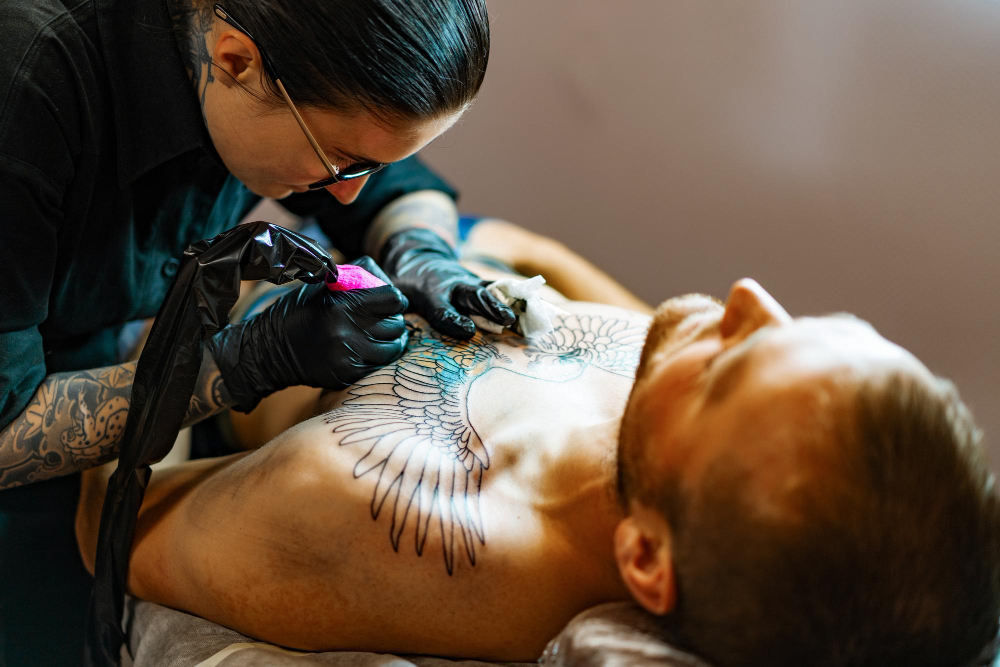
Tattoos have evolved from ancient markers of identity and status to powerful forms of modern self-expression, reflecting cultural shifts, technological advances, and personal narratives. In 2026, the industry stands at an exciting intersection where traditional craftsmanship blends with forward-thinking creativity. Nostalgia fuels many designs, while digital influences and fluid artistry push boundaries. This guide explores the standout tattoo styles dominating studios worldwide, drawing from industry reports, artist observations, and cultural patterns. Whether seeking subtle elegance or striking statements, these trends offer options that balance aesthetic appeal with lasting impact.
The Rise of Fine Line Tattoos: Precision and Subtlety
Fine line tattoos continue to lead the pack in 2026, characterized by ultra-thin, delicate outlines that mimic hand-drawn sketches. Artists use specialized needles to create intricate details with minimal shading, resulting in pieces that appear lightweight and ethereal. This style excels in florals, script, and geometric patterns, allowing tattoos to flow naturally with the body’s contours.
The appeal stems from versatility across skin tones and placements, from dainty wrist accents to expansive back pieces. Reports highlight how fine line work has adapted over decades, with modern techniques improving ink retention and reducing blowout risks. According to analyses of current tattoo movements, this approach resonates because it prioritizes elegance without overwhelming the wearer. Fine line tattoos often incorporate negative space, enhancing the natural beauty of the skin.
Practical considerations include artist selection—experienced practitioners minimize fading through precise depth control. Aftercare remains essential: consistent moisturizing and sun protection preserve the crisp lines. For those new to ink, starting small tests commitment while showcasing the style’s understated charm.
Micro-Realism: Capturing Intricate Details in Miniature Form
Micro-realism tattoos push technical boundaries by rendering photorealistic images on a tiny scale, often no larger than a coin. Subjects range from pet portraits to everyday objects like jewelry or food items, achieved through layered shading and precise dot work. In 2026, this style gains momentum as clients seek hyper-personalized designs that feel intimate yet sophisticated.
Industry forecasts note the style’s growth from niche to mainstream, driven by advancements in needle technology and ink formulations that support fine gradients. Micro-realism techniques demand exceptional skill, with artists studying anatomy to ensure designs interact seamlessly with body curves.
Placement plays a key role—areas like the forearm or collarbone offer visibility without excessive friction. Clients benefit from consulting portfolios to match artist expertise with desired realism levels. Long-term, these tattoos hold up well with proper care, though touch-ups may occur after several years due to natural skin changes.
Fluid and Abstract Designs: Movement and Emotion in Ink
Fluid tattoos emphasize organic flow, inspired by elements like water, smoke, or brushstrokes, creating a sense of motion that appears alive on the skin. Abstract variations incorporate splatters, gradients, and surreal compositions, often in black and gray with subtle color accents. This style surged in popularity as artists experimented with placement to mimic natural body movement.
Trends in 2026 show a resurgence of watercolor-inspired effects, refined with fade-resistant pigments. Guides on evolving tattoo aesthetics describe how these designs symbolize transformation and energy, making them ideal for those drawn to interpretive art. Fluid tattoo styles blend seamlessly with other elements, such as florals or geometric accents.
Advice for enthusiasts includes discussing ink behavior with artists, as fluid pieces thrive on larger canvases like thighs or shoulders. Maintenance involves gentle cleansing to avoid disrupting delicate transitions, ensuring the artwork retains its dynamic quality over time.
Nostalgic Retro and Y2K-Inspired Tattoos: Celebrating the Past
Nostalgia defines a major segment of 2026 tattoos, with designs pulling from the 1990s and early 2000s. Think chrome butterflies, tribal motifs, cherries, bows, and vibrant cartoon elements reminiscent of Lisa Frank illustrations or pop culture icons. These pieces often feature bold outlines with playful color pops, evoking a sense of fun and familiarity.
Cultural observers link this trend to broader societal interests in retro aesthetics, where younger generations reinterpret eras they did not experience firsthand. Expert roundups confirm the shift toward meaningful homages, such as Titanic-inspired motifs or early internet symbols. Nostalgic tattoo designs allow for creative customization, from subtle nods to full thematic sleeves.
When considering this style, factor in color vibrancy—saturated hues may require periodic refreshers. Studios recommend artists versed in traditional techniques to achieve authentic retro feels, with placements on visible areas like ankles or forearms amplifying the playful vibe.
Cybersigilism: Merging Technology and Mysticism
Cybersigilism represents a futuristic fusion, combining cyberpunk elements with occult-inspired sigils and digital glyphs. Designs resemble coded scripts or holographic patterns, often executed in blackwork with metallic or neon ink accents. This style appeals to those navigating the digital age, symbolizing the intersection of technology and spirituality.
As 2026 unfolds, cybersigilism stands out for its adaptability—small accents on fingers or expansive chest pieces. Sources tracking innovative tattoo forms note its rise among tech-influenced demographics, where AI-assisted sketches help conceptualize hybrid motifs. Cybersigilism tattoos emphasize bold linework that contrasts sharply against skin.
To maximize impact, seek artists experienced in geometric precision, as misalignment can diminish the futuristic edge. Aftercare focuses on protecting vibrant inks from UV exposure, preserving the high-contrast appeal.
Ornamental Tattoos: Lace-Like Elegance and Sacred Geometry
Ornamental designs draw from Art Nouveau and lace patterns, using fine lines, pointillism, and subtle shading to accentuate body contours. Sacred geometry elements add meditative depth, with motifs like mandalas or floral lattices creating harmonious compositions.
This style thrives in 2026 due to its sophisticated enhancement of natural forms, appearing both intricate and effortless. Historical overviews of tattoo traditions reveal ornamental roots in various cultures, now adapted with modern tools for cleaner execution. Ornamental tattoo art requires cultural sensitivity to avoid appropriation, focusing instead on universal patterns.
Ideal for ribs, spines, or arms, these tattoos benefit from strategic placement that follows muscle lines. Professionals advise thorough research into artist specialties to ensure pieces age gracefully without losing definition.
Doodle and Sketch-Style Tattoos: Spontaneous and Imperfect Charm
Doodle tattoos capture the essence of casual sketches, featuring imperfect lines, handwritten notes, and whimsical symbols. This approach feels raw and personal, often incorporating inside-joke elements or quick notebook inspirations translated to skin.
In 2026, the style resonates for its low-pressure accessibility, appealing to first-timers and veterans alike. Insights from youth-oriented publications describe how these designs prioritize emotional spontaneity over polish. Doodle tattoo trends excel in small, scattered placements like fingers or behind ears.
Considerations include ink consistency—thinner lines may fade faster, so artists recommend quality pigments. This style encourages experimentation, with many opting for clusters that evolve over sessions.
Neo-Traditional Tattoos: Vibrant Revival with Modern Flair
Neo-traditional tattoos update classic American styles with expanded color palettes, finer details, and illustrative influences. Bold outlines frame animals, mythical figures, and florals in saturated teals, magentas, and rich blacks, creating depth and narrative.
The trend builds on historical foundations while incorporating contemporary techniques for better longevity. Forecasts for the year position neo-traditional as a bridge between heritage and innovation. Neo-traditional styles suit larger areas like sleeves or backs, where storytelling unfolds across multiple elements.
Artists specializing in this form emphasize contrast and shading for visual pop. Clients should discuss skin type, as vibrant colors perform differently across tones.
Comparing Key Tattoo Styles of 2026
| Style | Key Characteristics | Why Trending | Best Placements | Longevity Factors |
|---|---|---|---|---|
| Fine Line | Thin outlines, negative space | Versatility and subtlety | Wrists, collarbones, ribs | Requires precise aftercare |
| Micro-Realism | Hyper-detailed mini portraits | Personalization and skill | Forearms, ankles | Sun protection essential |
| Fluid/Abstract | Flowing shapes, brushstrokes | Movement and symbolism | Thighs, shoulders | Gentle cleansing advised |
| Nostalgic Retro | Bold colors, Y2K motifs | Cultural nostalgia | Ankles, forearms | Color refresh possible |
| Cybersigilism | Digital sigils, neon accents | Tech-spiritual fusion | Fingers, chest | UV shielding for vibrancy |
| Ornamental | Lace patterns, geometry | Elegant body enhancement | Spine, arms | Cultural awareness key |
| Doodle/Sketch | Imperfect lines, whimsical | Spontaneous expression | Hands, ears | Faster fading potential |
| Neo-Traditional | Saturated colors, bold outlines | Vibrant storytelling | Sleeves, backs | Strong contrast holds well |
Frequently Asked Questions About 2026 Tattoo Trends
What makes a tattoo style suitable for 2026?
Styles trending this year emphasize personalization, adaptability to body movement, and a mix of nostalgia with innovation. Factors like skin tone compatibility and placement influence choices.
How do I select the right artist for a specific style?
Review portfolios for consistent examples in the desired technique. Consultations reveal expertise in ink behavior and healing processes.
Are certain styles better for sensitive skin?
Fine line and minimalist options often suit sensitive areas, as they involve less trauma. Discuss allergies and test patches with professionals.
What role does aftercare play in trend longevity?
Consistent moisturizing, avoiding submersion, and sun avoidance extend vibrancy. Resources from dermatology organizations outline protocols.
Can trends from previous years still work in 2026?
Many classics like Japanese or blackwork integrate with current motifs, creating hybrid pieces that feel fresh.
How much do trending tattoos typically cost?
Pricing varies by size, detail, and artist experience, ranging from $100 for small pieces to thousands for large works. Quality materials justify investment.
Is it advisable to get matching tattoos in popular styles?
Friendship or couple designs in minimalist or doodle formats offer low-stakes options, provided both parties commit to aftercare.
What considerations apply to tattoos on darker skin tones?
Bold contrasts and strategic placement enhance visibility. Artists experienced with diverse tones recommend specific ink formulations.
How has technology influenced 2026 styles?
AI tools assist in design ideation, while advanced machines support precise execution in micro and fluid works.
Should first-time clients follow trends strictly?
Trends provide inspiration, but personal meaning ensures satisfaction. Start small to build confidence.
Embracing the Future of Tattoo Art
The tattoo landscape in 2026 reflects a mature industry where styles evolve through careful craftsmanship and cultural dialogue. From delicate fine lines to bold neo-traditional statements, each option invites thoughtful consideration of body, history, and intent. Researching artists, understanding techniques, and prioritizing aftercare transform a simple design into enduring art. As trends shift, the core remains: tattoos as intentional marks that honor individuality. Exploring studios and portfolios opens pathways to pieces that resonate deeply, standing the test of time with grace and style.